Keeping home beauty devices clean and sanitized is crucial for maintaining skin health. According to a 2022 study from the Journal of Cosmetic Science, 70% of consumers do not regularly clean their devices. This negligence can lead to skin irritations and infections.
Dr. Emily Hart, a renowned skincare expert, emphasizes the importance of safe cleaning practices: “Understanding how to clean and sanitize home beauty devices safely is essential for both hygiene and device longevity.” Many users may overlook the proper methods, often causing more harm than good. This leads to a pressing need for awareness and education on effective cleaning techniques.
Sanitization is not just about aesthetics; it directly affects well-being. Devices such as dermarollers, facial brushes, and LED masks can harbor bacteria if not maintained correctly. Regular cleaning can prevent skin issues and extend the life of these tools. As users, it's vital to reflect on these practices to ensure a safer beauty routine.
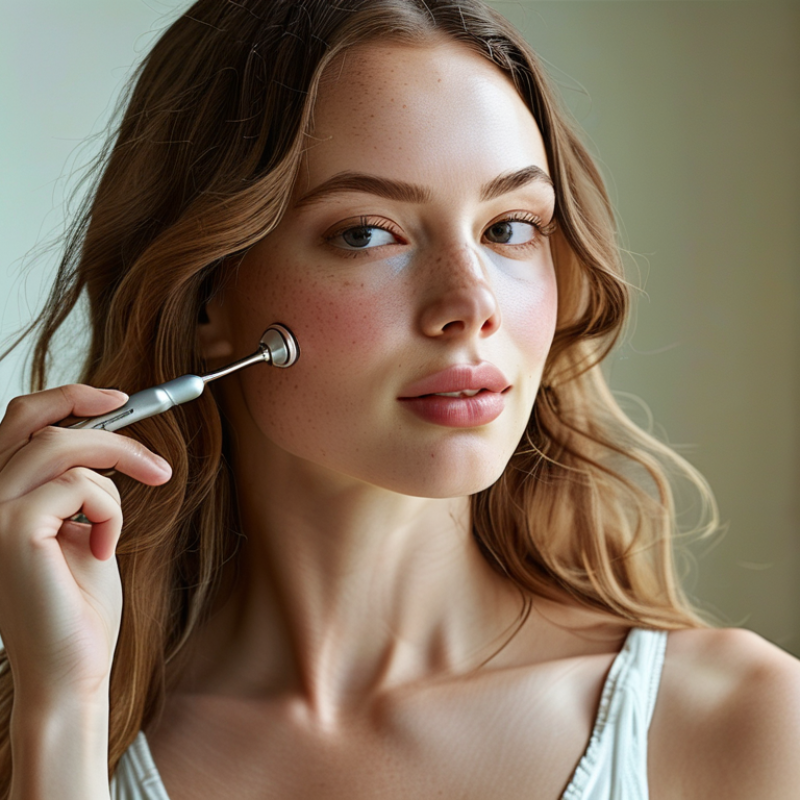
Cleaning and sanitizing your beauty devices is crucial for maintaining skin health. Many people overlook the bacteria and residue that can build up on tools like brushes and facial rollers. This neglect can lead to skin irritations, breakouts, or infections. Regularly cleaning these items can prevent such issues and prolong their life.
Using warm water and gentle soap can effectively remove dirt and makeup residue. Make sure to scrub all surfaces, paying special attention to bristles and crevices. Rinsing thoroughly is key. However, even with regular cleaning, remember that some residues may still linger. It’s essential to regularly evaluate your cleaning routine and be open to adjustments. Think about how often you use each device and clean accordingly. Your skin deserves the best care possible. Ensuring your beauty tools are clean is a step towards healthier skin.
| Method | Description | Frequency | Important Notes |
|---|---|---|---|
| Soap and Water | Use mild soap with warm water for daily cleaning. | Daily | Ensure devices are unplugged before cleaning. |
| Isopropyl Alcohol | Sanitize devices using 70% isopropyl alcohol. | Weekly | Let it air dry completely. |
| Vinegar Solution | Mix equal parts of vinegar and water to clean. | Bi-weekly | Rinse thoroughly with water afterward. |
| Ultraviolet (UV) Light | Use a UV sanitizer for an effective clean. | After each use | Follow device instructions for safe usage. |
| Disposable Covers | Use covers for brushes and devices to minimize direct contact. | Every use | Change covers after each use. |
| Steam Cleaning | Use a facial steamer to sanitize beauty tools. | Monthly | Ensure the tool is safe for steam exposure. |
| Hand Sanitizer | Wipe devices with hand sanitizer for quick cleaning. | As needed | Use on non-porous surfaces only. |
| Cotton Pads | Use cotton pads dipped in alcohol to clean small parts. | Weekly | Ensure to dispose of pads properly. |
| Regular Inspection | Check devices for signs of wear and damage. | Monthly | Replace if necessary for safety. |
: Cleaning beauty devices prevents skin irritations, breakouts, and infections caused by bacteria and residue.
Regular cleaning is essential. Evaluate use frequency and clean accordingly to maintain skin health.
Use warm water and gentle soap, swirl them around, rinse thoroughly, and lay flat to dry.
Microfiber cloths and soft brushes are effective for cleaning, while distilled water and gentle soap work well for soaking.
Yes, alcohol wipes are handy for quick sanitization, but ensure they are suitable for each device type.
Wipe them down after each use with alcohol wipes, or soak in water and vinegar for a deeper clean.
Soak clippers and files in disinfectant, rinse, and dry them properly before storage.
Regularly assess your cleaning routine and be ready to make adjustments if residues persist.
A quick clean may not be sufficient. Bacteria can linger in tiny crevices. Be meticulous for better skin health.
Neglecting can lead to bacterial growth, causing breakouts and devaluing your skincare efforts.
Cleaning and sanitizing home beauty devices is essential for maintaining both your health and the longevity of the tools. Understanding the importance of this practice helps prevent bacterial growth and skin irritations. To effectively clean your devices, it's crucial to have the right tools on hand, such as gentle cleansers, disinfectants, and soft cloths. A step-by-step guide to cleaning various types of beauty tools can streamline the process, ensuring you address the unique needs of each device.
Best practices for sanitizing involve using appropriate disinfectants and following safe procedures to eliminate potential pathogens. Regular maintenance is key; therefore, you should establish a schedule for cleaning your beauty devices to minimize health risks. By learning how to clean and sanitize home beauty devices safely, you can enjoy a safer beauty routine and enhance the effectiveness of your tools.

 Luminor Beauty