Choosing the right conductive gel can make a microcurrent facial session feel smoother, safer, and more consistent. The gel should help electrical current move evenly across the skin. It should also reduce dragging when the device glides over the cheeks, jawline, and forehead. A watery product may dry too quickly. A thick formula may feel sticky or interrupt comfortable movement.
So, what is the best conductive gel for microcurrent facial machines? The answer depends on the device, skin type, and treatment routine. Experienced professionals usually examine conductivity, ingredient quality, texture, and skin tolerance together. Look for a water-based formula designed for facial electrical treatments. Ingredients such as glycerin or aloe may support slip and hydration, but they do not automatically prove superior performance. Check the manufacturer’s instructions, too.
Small details matter.
Before full use, apply a small amount near the jaw or behind the ear. Watch for redness, itching, or discomfort. A clean, damp surface often improves contact, while excessive product can make the device slide unpredictably. Fragrance, alcohol, and unnecessary irritants may concern sensitive users. However, “natural” does not always mean suitable, and “professional” does not guarantee universal compatibility. No gel is perfect. I have found that a gel performing well on one client may feel too drying on another. This guide compares practical features, evidence-based considerations, and real treatment experiences, helping readers choose with greater confidence rather than relying on attractive packaging alone.
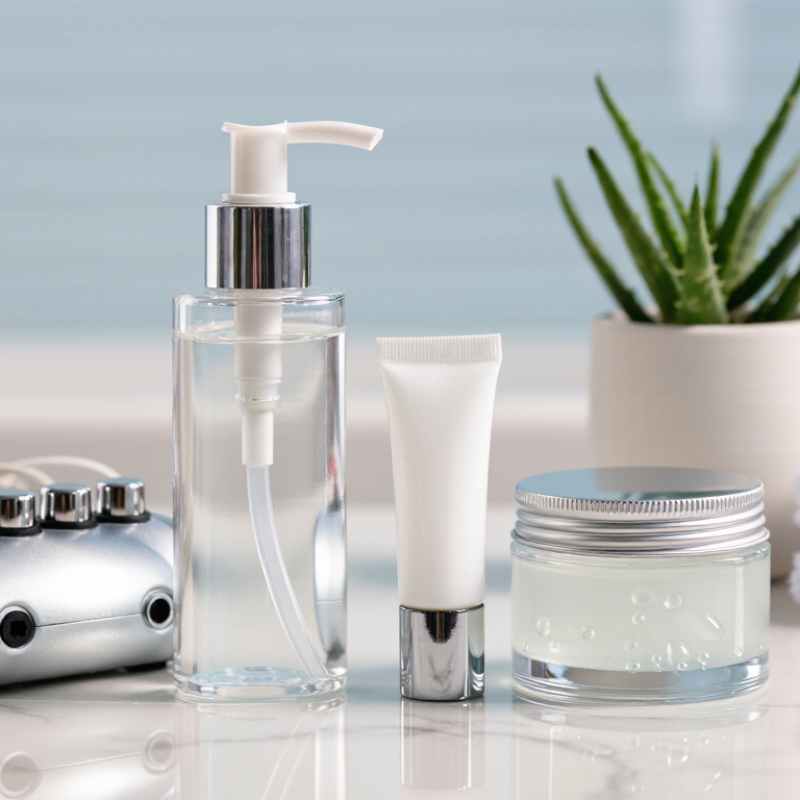
Conductive gel supports microcurrent therapy by creating a continuous electrical pathway between the device and skin. Dry skin increases resistance, causing uneven current and uncomfortable pinching. A water-based gel usually offers a practical balance between conductivity, glide, and easy removal. Look for clear ingredient labeling, stable texture, and compatibility with sensitive skin. Fragrance is not essential.
A professional choice should be based on performance, not marketing language. The IEC 60601-1 standard emphasizes controlled electrical safety for medical electrical equipment, while the FDA’s MAUDE database shows why device-related complaints require careful review. These sources do not prove that one gel works for everyone. They reinforce the need for proper device settings and skin monitoring.
I have found that a thin, even layer often feels more comfortable than a thick coating.
More gel is not always better.
Skin hydration matters. A 2023 review in the Journal of Clinical Medicine linked skin moisture with lower electrical impedance, supporting the role of a moist contact layer during stimulation. However, laboratory results may not match real skin conditions. That limitation deserves attention. Before treatment, test a small area and check for redness, stinging, or excessive slipping. Avoid gels that dry quickly, separate during use, or leave gritty particles near electrodes. The best option maintains contact without forcing pressure, because pressure can change how current feels across the face.
A good conductive gel must do more than help a device glide. Its water-based formula should support steady contact between the device and skin. Ingredients such as purified water, glycerin, hyaluronic acid, or aloe may improve hydration and comfort. Mild electrolytes can also support conductivity. However, more ingredients do not always mean better performance.
Read the full ingredient list carefully. Fragrance, essential oils, and high levels of drying alcohol may trouble sensitive skin. Some preservatives can also cause discomfort for reactive users. A lightweight gel may suit oily skin, while dry skin may prefer humectants and soothing ingredients. Avoid formulas that feel greasy or contain heavy oils. Oils can reduce smooth contact with some devices.
Skin compatibility matters as much as conductivity. Apply a small amount near the jaw or behind the ear, then wait 24 hours. Stop if you notice burning, swelling, or persistent redness. Follow the device instructions, especially when the skin barrier feels damaged. A gel may feel smooth at first but become irritating after repeated use. The checklist is useful, but imperfect. Skin changes with weather, medication, and stress. People with ongoing skin conditions should ask a qualified healthcare professional before regular use.
Matching gel properties to your microcurrent device matters more than choosing the thickest formula. A suitable gel should create a continuous, comfortable path between the electrodes and the skin. Water-based gels are usually practical because they spread easily and clean away without heavy residue. However, conductivity alone is not enough. Check the device instructions for preferred viscosity, application amount, and electrode materials. A gel that feels smooth on stainless steel may behave differently on coated surfaces.
I once assumed that a thicker gel would improve the treatment. That assumption was too simple. Excess product can make the electrodes slide, while too little gel may cause dry spots and uneven sensation. Apply a thin, even layer over clean skin. Watch for tugging, sharp tingling, or sudden discomfort. These signs may indicate poor contact, excessive product, or a mismatched setting. The gel’s pH and fragrance also matter, especially for sensitive skin. Choose a formula with clear ingredient information and avoid products that irritate you.
Test a small area first. Keep the gel away from broken skin and the eyes. Follow the device’s instructions rather than copying advice from unrelated equipment. Some formulas dry quickly, so you may need to work in smaller sections. Others remain slippery and require slower movements. After use, clean the electrodes and store the gel sealed. Small details often decide whether a microcurrent session feels controlled or frustrating.
A suitable conductive gel should protect skin before it improves signal transfer.
Check the ingredient list for fragrance, high alcohol content, and aggressive preservatives. These may sting under electrodes, especially after cleansing or shaving. A near-neutral pH and a water-based formula usually feel less irritating. Patch-test it on the jawline for 24 hours. Do not skip this step.
Performance depends on contact, not marketing claims.
The gel should spread into a thin, even film without drying within several minutes. If the device feels sharp, uneven, or unusually hot, stop and reassess the layer. Excess gel can reduce handling control, while too little may increase localized sensation.
ISO 10993-23:2021 emphasizes irritation testing for materials contacting skin, but it does not prove every finished gel is comfortable. That gap matters.
Safety data also deserves context.
The European Commission’s 2023 Safety Gate report recorded 3,412 alerts, with cosmetics among the most frequently notified categories at 32%. This does not mean conductive gels are unsafe, but it supports careful ingredient and packaging checks. The FDA also warns that adverse-event databases cannot prove causation or measure total product risk.
I would not treat a smooth first session as proof of long-term suitability. My own mistake was focusing on conductivity before checking preservative sensitivity.
Comfort is measurable: note redness, tightness, tingling, and dryness after each use.
Choosing the best conductive gel for microcurrent involves more than checking its price. Application, storage, and daily usability often determine whether a product performs consistently.
During practical evaluations, I look for a gel that spreads evenly without dripping. A thin, continuous layer helps the device move smoothly across clean skin. Too little gel may create dry patches and uneven contact. Too much can feel sticky and waste product. A water-based formula is usually easier to remove, but individual skin sensitivity still matters. Patch testing is sensible, especially when the formula contains fragrances or botanical extracts. I once assumed a thicker gel would conduct better. It felt richer, but it dried faster than a lighter formula.
Storage affects performance over time. Keep the container tightly closed after each use. Store it away from direct sunlight, heaters, and repeated temperature changes. A narrow opening or pump can reduce contamination from wet fingers. Check the texture, scent, and expiration date before use. If the gel separates or develops an unusual odor, replace it. Small details matter.
Overall value depends on cost per application, not the jar price alone. A larger container may be cheaper, yet waste more if it dries around the opening. A smaller package might suit occasional users better. Consider cleanup time, skin comfort, packaging hygiene, and how much gel each session requires. Reliable performance is valuable, but personal tolerance can change the calculation. There is no perfect choice for every routine.
| Gel Type | Typical Composition | Application | Conductive Performance | Drying Risk | Storage Guidance | Overall Value | Best Use Case |
|---|---|---|---|---|---|---|---|
| Water-Based Conductive Gel | Purified water, humectants, electrolytes, and a gel-forming polymer. | Spreads easily and provides a smooth glide. | High when the skin remains evenly covered. | Medium | Keep tightly closed at room temperature. Prevent contamination by using clean hands or a disposable spatula. | Excellent | Routine home use and most facial microcurrent devices. |
| Aloe-Enhanced Conductive Gel | Water-based gel with aloe-derived ingredients and skin-conditioning agents. | Usually easy to distribute and comfortable on clean skin. | High if the formula contains sufficient water and electrolytes. | Medium | Store sealed in a cool, dry place away from direct sunlight. Follow the product expiry date after opening. | Very Good | Users who prefer a softer skin feel and added moisturizing comfort. |
| Carbomer-Based Gel | Water, carbomer or similar polymer, neutralizing agents, humectants, and conductive salts. | Thicker texture helps the gel stay in place during treatment. | High and generally consistent while hydrated. | Low to Medium | Close the container immediately after use. Avoid freezing and excessive heat, which can affect texture. | Very Good | Longer sessions, targeted facial work, or users who dislike frequent reapplication. |
| Glycerin-Enhanced Gel | Water-based gel containing glycerin or another humectant to help retain moisture. | Smooth application with a slightly more cushion-like feel. | High at first; performance may decline if the layer becomes uneven. | Low to Medium | Keep sealed at moderate room temperature. Wipe the nozzle or applicator clean to reduce buildup. | Good | Dry or moisture-sensitive skin and sessions where a longer-lasting surface layer is useful. |
| Electrolyte-Rich Saline Gel | Water, dissolved salts or electrolytes, and a low-to-medium viscosity gel base. | Spreads quickly but may require an even, continuous coating. | Very high when the skin and device contacts are fully covered. | Medium to High | Close tightly to limit water loss. Salt residue should be removed from the device after each use. | Good | Users prioritizing strong electrical contact and who are willing to clean the device carefully. |
Choose a water-based gel that spreads evenly across clean skin. It should maintain steady contact between the electrodes and your skin. A lightweight texture is often easier to control. Thick does not always mean better.
Purified water, glycerin, hyaluronic acid, and aloe may support hydration. Mild electrolytes may help conductivity. However, longer ingredient lists are not automatically superior. Check every ingredient.
Fragrance, essential oils, and high levels of drying alcohol may cause discomfort. Some preservatives can also trouble reactive skin. Irritation may appear after repeated use, not immediately. That detail matters.
Apply a small amount near your jawline or behind your ear. Wait 24 hours before regular use. Stop if burning, swelling, or persistent redness appears. Do not ignore mild warning signs.
Use a thin, even layer over clean skin. Too little gel may create dry spots and sharp sensations. Too much may make the electrodes slide. I once assumed thicker was safer. It was not.
Read the device instructions for viscosity, application amount, and electrode materials. Some gels dry quickly, so work in smaller sections. Others stay slippery and require slower movements. Smooth contact is the goal.
Stop if you notice sharp tingling, unusual heat, tugging, or sudden discomfort. These signs may indicate poor contact or an unsuitable setting. Check the gel layer and device instructions. Do not push through discomfort.
Avoid broken, inflamed, or severely irritated skin. Cleansing or shaving may already increase sensitivity. People with ongoing skin conditions should seek qualified medical advice. Skin changes with weather, stress, and medication.
Remove residue from your skin and clean the electrodes as instructed. Seal the gel container after use. Store it away from excessive heat. Small habits help, though they cannot fix a poor formula.
Choosing the right conductive gel is essential for comfortable and effective microcurrent therapy. A good gel helps electrical signals move evenly across the skin while reducing friction and supporting smooth device movement. When comparing options, consider ingredients that provide lasting hydration without unnecessary fragrances, alcohol, or other potential irritants. Skin compatibility is especially important for users with sensitive, dry, or blemish-prone skin, so a gentle, water-based formula is often a practical choice.
To determine what is the best conductive gel for microcurrent facial machines, match the gel’s texture and conductivity with your device’s requirements. The formula should remain moist throughout treatment, feel comfortable, and rinse away easily without leaving heavy residue. Also evaluate packaging, storage needs, shelf life, and the amount required per session. The best overall value is not simply the lowest price, but a safe, reliable gel that improves device performance, supports consistent results, and makes each treatment convenient and pleasant.

Luminor Beauty