A facial steamer should produce a steady, visible mist within a few minutes. When a China-made facial steamer stays silent, the problem may involve water flow, mineral buildup, an incorrectly fitted tank, or a damaged heating system. This guide explains how to troubleshoot a facial steamer that is not producing steam without guessing or forcing the appliance to work.
Begin with simple, safe checks. Unplug the steamer and allow it to cool completely. Confirm that the water tank is filled below its maximum line and seated firmly. Inspect the tank cap, silicone seal, intake valve, and steam nozzle for cracks or blockage. A small mineral deposit can look harmless but restrict water movement. Distilled water may reduce future buildup, although users should follow the manufacturer’s instructions.
Keep it practical.
A soft brush and approved descaling method can help clean the nozzle and reservoir. Never insert metal objects into the heating chamber. Do not operate the unit when its cord, plug, or housing shows damage. If the indicator light works but no mist appears, the pump, thermal fuse, or heating plate may require professional inspection. These components are not always user-serviceable.
Not every quick fix works.
Some models need several minutes before steam becomes visible, while others shut down automatically when water levels are low. Product manuals and authorized service guidance remain more reliable than generic online advice. Record the model number, symptoms, water type, and cleaning steps already attempted. This information helps a qualified technician identify the fault faster and prevents unnecessary replacement.
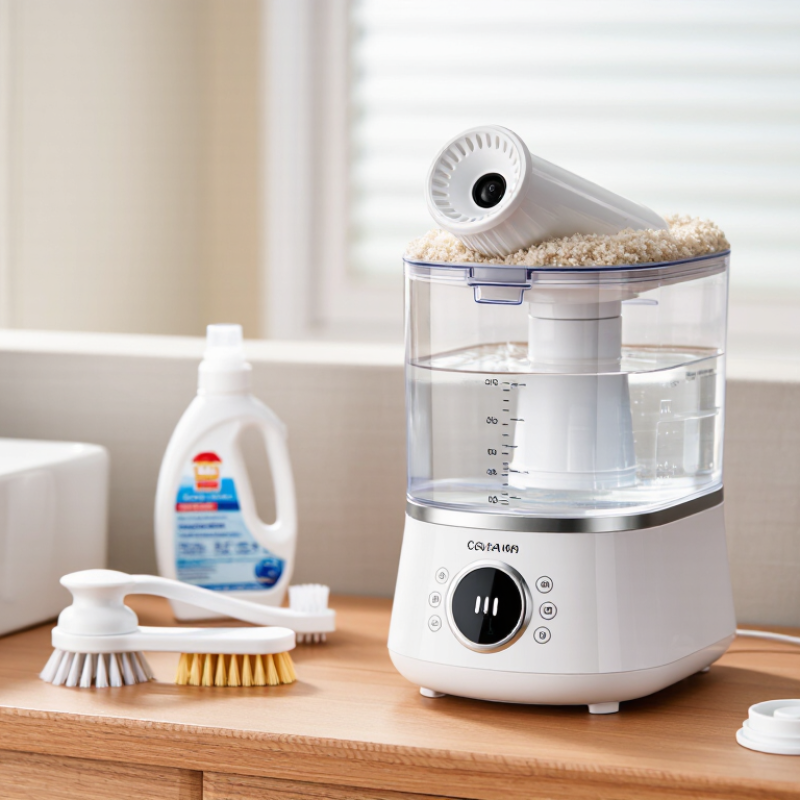
When a China facial steamer produces no steam, check its power supply before touching the water tank. Confirm the plug fits tightly in the wall outlet, then test that outlet with another small appliance. Inspect the cord for cuts, twisting, or unusual warmth. The power indicator should illuminate after switching on. If it stays dark, the problem may involve the outlet, plug, fuse, or internal wiring. Do not open the casing yourself. Match the steamer’s required voltage with your household supply, especially after international shipping.
Next, check the operating controls carefully. Some facial steamers need the main switch turned on before selecting a steam mode. Others require holding the power button for several seconds. Make sure the timer is not set to zero, and wait 30 to 90 seconds for heating. A loose control dial can also prevent activation. Unplug the unit, let it cool, and restart it once. A common mistake is pressing every button repeatedly; that can make diagnosis harder. Stop using the steamer if you notice burning smells, buzzing, sparks, or excessive heat.
Tips: Use a direct wall outlet when possible. Avoid overloaded extension strips. Keep the water level within the marked range, because some safety controls block heating when the tank is empty. Check the manual for voltage and button sequences. If the indicator works but steam never appears, record the sounds and waiting time before contacting a qualified repair technician. Sometimes the simplest observation is the useful one.
| Check Area | Possible Cause | What to Check | Recommended Fix | Normal Result | Safety Note |
|---|---|---|---|---|---|
| Power outlet | The outlet has no power or the circuit has tripped. | Test the outlet with another small appliance and inspect the circuit breaker or reset switch. | Restore power or use a confirmed working outlet. | The appliance indicator light turns on. | Do not use an outlet or cord showing heat damage, sparks, or exposed wiring. |
| Power cord and plug | The plug is loose, the cord is damaged, or the connection is incomplete. | Check that the plug is fully inserted and examine the cord for cuts, fraying, or bent pins. | Reconnect firmly. Replace the damaged appliance through an authorized service channel. | The power switch responds without flickering. | Never operate the steamer with a damaged power cord. |
| Operating controls | The power or steam function has not been activated correctly. | Confirm that the main power switch is on and that the steam button or timer has been selected. | Follow the control sequence in the user manual and wait for the heating cycle. | The heating indicator remains on during warm-up. | Keep hands away from the nozzle while the unit is heating. |
| Water tank level | The tank is empty, underfilled, or positioned incorrectly. | Check the water level against the minimum and maximum marks and confirm that the tank is seated securely. | Fill with clean water to the marked range and reinstall the tank. | The unit heats without a low-water warning. | Do not exceed the maximum fill line or run the unit dry. |
| Water quality | Mineral deposits may restrict water flow or cover the heating element. | Look for white scale, flakes, reduced output, or a blocked water path. | Empty and clean the tank and internal water path according to the manual. | Water flows normally and steam output improves. | Use only the water type recommended in the appliance instructions. |
| Nozzle and outlet | The steam outlet is blocked by residue, dust, or an incorrectly fitted attachment. | Inspect the nozzle after switching off and allowing the unit to cool. | Remove visible residue with a soft, lint-free cloth and refit the attachment correctly. | Steam exits evenly from the outlet. | Do not insert sharp objects into the nozzle. |
| Warm-up time | The heating element has not reached operating temperature. | Allow the normal warm-up period specified in the manual before checking the output. | Keep the unit upright on a stable, level surface while it warms. | Steam begins after the stated warm-up period. | Do not shake, tilt, or move the appliance while it is hot. |
| Automatic protection | Low-water, overheating, or tilt protection may have stopped operation. | Check warning lights, allow the appliance to cool, and verify its upright position. | Switch off, unplug, refill if needed, and restart only after the unit has cooled. | The device restarts normally without warning signals. | Never bypass a safety sensor or continue using an overheating unit. |
| Internal fault | The heating element, thermostat, pump, switch, or internal wiring may be defective. | If power is present and basic checks fail, note unusual sounds, odors, or repeated shutdowns. | Stop using the appliance and request inspection by a qualified technician. | A properly serviced unit heats and produces steam consistently. | Do not open the housing while connected to power. |
Check the plug, wall outlet, cord, power light, water level, and voltage requirement. Wait 30 to 90 seconds. Do not open the casing.
Plug in another small appliance. Use a direct wall outlet when possible. Avoid overloaded extension strips.
The outlet, plug, fuse, cord, or internal wiring may be faulty. Stop using the steamer if the cord feels hot.
Mineral deposits may block the small steam outlet. Look for a pale crust around the opening.
Unplug the unit and let it cool completely. Wipe gently with a soft cloth. Never use a needle.
A cotton swab with white vinegar may soften surface buildup. Keep liquid away from buttons, vents, and wiring.
Use distilled or low-mineral water when allowed. Empty the tank after each session. Leave the cap open while it dries.
Seek qualified service for leaks, a weak hum, burning smells, faulty controls, or suspected heater problems. Safety matters more than convenience.
Replacement may make sense when repairs cost about half the price of a comparable new unit. This is not a perfect rule.
Stop after sparks, buzzing, scorching smells, overheating, breaker trips, or a cracked tank. Keep photos, receipts, and repair findings.
If a facial steamer stops producing steam, begin by checking the power cord, outlet, switch, and operating controls. Make sure the water tank is seated correctly and filled to the recommended level. Use clean, suitable water and avoid overfilling, as an incorrect water level can prevent normal operation. The keyword how to troubleshoot a facial steamer that is not producing steam reflects a practical process: check the simplest causes before examining internal components.
Next, inspect the steam outlet for mineral deposits or residue that may be blocking vapor flow. Clean it carefully according to the device’s instructions, without using sharp tools that could cause damage. If the problem continues, the heating element, temperature control, or safety sensors may need inspection. Unplug the unit before any maintenance, and never open electrical parts while it is connected to power. If the steamer still fails to heat or produces unusual sounds or odors, professional repair may be safer and more cost-effective than continued use.

 Luminor Beauty