“How often should you use an EMS microcurrent device?” sounds simple, but the safest answer depends on the device, its settings, and your skin’s response. Some products are designed for frequent use; others recommend only a few sessions each week. Check the manual before placing the conductive gel over your cheeks or jawline. More sessions do not automatically mean better results.
Board-certified dermatologist Dr. Hadley King offers a useful skin-care perspective: follow product directions and watch for irritation. A practical summary is, “Use the device as directed, and stop if your skin becomes irritated.” This is not a device-specific prescription. It is a sensible reminder to take redness, stinging, or unusual sensitivity seriously. If you have a skin condition, use implanted medical devices, or are unsure whether microcurrent is appropriate for you, ask a qualified clinician before starting.
The seven tips ahead explain how to build a realistic routine, prepare clean skin, and choose a pace you can maintain. They also cover why skipping a session may be wiser than using a device on irritated skin. Results can vary, and progress may be gradual. That part is easy to overlook. Keep notes on session dates and skin reactions; a small log can reveal patterns that a bathroom mirror misses. Always let your device’s instructions guide your schedule.
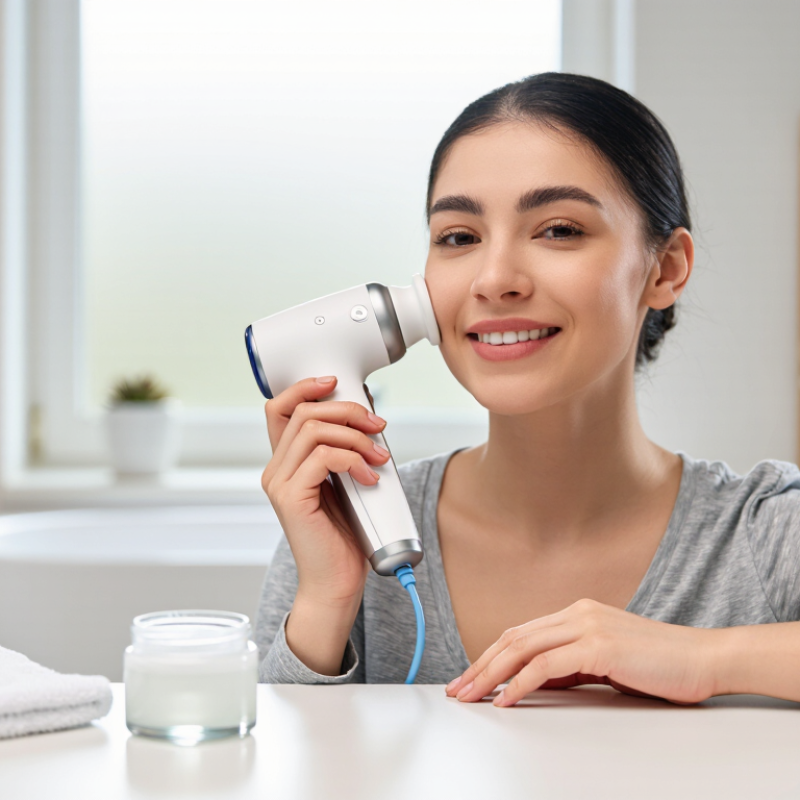
7 Tips How Often Should You Use an EMS Microcurrent Device?
Distinguish EMS and Microcurrent Before Setting a Weekly Routine
EMS and microcurrent are not interchangeable labels. EMS typically stimulates motor nerves, producing visible muscle contractions. Microcurrent uses much weaker electrical currents and may feel like little or nothing. Some home devices combine both. Check the device’s technical description, not just its product category. The sensation can be a clue, but it is not proof.
There is no universally established weekly schedule for facial EMS or microcurrent devices. The FDA notes that EMS devices are not a shortcut to major muscle or body changes, and evidence for home-use claims varies. A 2018 JAMA Dermatology study followed 27 women in a facial-exercise program; 16 completed 20 weeks, with evaluators reporting improved cheek fullness. It studied exercise, not electrical devices, so it cannot set an EMS routine. That distinction matters. Follow the device’s instructions, begin at the lowest recommended setting, and leave recovery time if your skin feels irritated. If you have an implanted electronic device or a relevant medical condition, ask a clinician before use. Research remains uneven, and even careful routines may not produce visible results.
First distinguish the technologies: EMS is designed to stimulate nerves and produce muscle contractions; microcurrent uses very low electrical currents and is generally not intended to cause visible contractions. Follow your device’s instructions—there is no single weekly schedule that applies to every device or user.
How to read the chart: This is an example of spacing sessions, not a universal recommendation. The appropriate frequency depends on the device, treatment area, and its instructions. Allow recovery time between EMS sessions, and do not increase frequency beyond the manual’s guidance.
Treat the five-days-a-week, 60-day schedule as a device-specific starting protocol, not a universal rule. Follow the included instructions for session length, gel, and electrode placement. Clean, dry skin helps the conductive gel spread evenly; use enough to prevent tugging. Keep each pass slow and comfortable. No need to press hard.
Consistency matters, but more sessions are not automatically better. The 2023 ISAPS Global Survey counted about 19.1 million non-surgical aesthetic procedures worldwide; that industry figure reflects demand, not proof that microcurrent works or that one schedule suits everyone. Track your own routine: note treatment days, skin sensitivity, and any lingering redness. Pause if irritation persists, and check with a qualified clinician if you have an implanted electrical device or a relevant medical condition. I’d still question whether a demanding schedule is realistic for every household. Missed a day? Resume as directed rather than doubling up. Keep it gentle.
After about 60 days of consistent use, a maintenance rhythm of two or three sessions a week may be enough for many people. That is a general schedule, not a universal rule: devices differ, and their instructions should guide frequency and session length. More sessions do not necessarily mean better results. Give your skin a rest between treatments.
Make each session easy to repeat. Start with clean, dry skin and use the conductive gel specified for your device. Move the treatment head slowly over the recommended areas, without pressing hard. Keep a simple note of the date, settings, and how your skin feels afterward. Small details matter. If redness or tenderness lingers, pause and reduce frequency before trying again. Check with a qualified clinician before use if you have an implanted electronic device, are pregnant, or have a relevant medical condition.
Maintenance can feel less satisfying than daily use because changes may seem subtle. That is worth remembering. Take a photo in similar lighting every few weeks rather than judging your face under a different bathroom bulb each day. If the routine becomes irritating or difficult to maintain, two sessions may be more realistic than three. Consistency helps, but comfort and the device’s safety guidance come first.
7 Tips How Often Should You Use an EMS Microcurrent Device?
Adjust Frequency to Your Device’s Instructions and Your Skin’s Response
There is no single schedule that suits every EMS microcurrent device or every skin type. Read the instruction booklet before your first session, and follow its limits for session length and weekly use. Some devices are designed for frequent use; others require rest days. Do not assume that using a device more often will improve results. Keep a simple log of dates, session length, and any redness or tenderness.
Tip: Start at the lowest recommended frequency. Use the device on clean skin, with the conductive gel or other preparation specified in its instructions. Check your skin in good light afterward. Mild, brief pinkness may occur, but discomfort, lingering redness, or unusual sensitivity means you should stop and reassess. Resume only when your skin feels normal, and reduce frequency if symptoms return. Small details matter.
Your skin’s response can change with weather, products, or irritation from other routines. Avoid treating broken or inflamed skin, and check the device guidance for precautions related to health conditions or implanted devices. When unsure, ask a qualified healthcare professional. I’d be cautious about copying another person’s schedule; what feels gentle to them may not suit you. A slower routine can be easier to assess.
| Tip | How to Apply It | Why It Matters |
|---|---|---|
| 1. Follow the device instructions first | Use the session length, intensity, and weekly schedule specified in the device’s user guide. Recommendations can differ between devices. | EMS and microcurrent devices are not all designed to be used in the same way; a schedule that suits one device may not suit another. |
| 2. Start with the recommended beginner schedule | If the instructions offer a gradual-start plan, begin there rather than increasing session frequency or intensity on your own. | A gradual approach makes it easier to notice how your skin responds before making any changes. |
| 3. Keep sessions within the stated duration | Do not extend a session to make up for a missed one, and do not add extra sessions unless the instructions allow it. | Longer or more frequent use is not necessarily more effective and may increase the chance of discomfort or irritation. |
| 4. Use the required conductive product | Apply only the type of conductive gel or product specified in the instructions, and use it as directed for each treatment. | Suitable conductivity helps the device make consistent contact with the skin. Do not use a product as a substitute for the device’s directions. |
| 5. Check your skin before each session | Do not treat skin that is broken, sunburned, unusually irritated, or affected by an active flare-up. Wait until it has settled. | Using an electrical skin-care device on compromised or irritated skin may worsen discomfort. |
| 6. Adjust only in response to your skin—and the manual | If you notice persistent redness, burning, pain, or unusual sensitivity, stop using the device. Resume only when appropriate and consistent with its instructions. | A brief sensation may vary by device, but ongoing or worsening symptoms are a reason to pause rather than increase use. |
| 7. Ask a healthcare professional when in doubt | Seek advice before use if you have a medical condition, an implanted electronic device, are pregnant, or are unsure whether treatment is suitable for you. Follow any warnings in the user guide. | Device-specific safety restrictions vary, and a healthcare professional can help assess personal risks. |
General guidance: There is no single use frequency that applies to every EMS or microcurrent device. The device’s instructions and your skin’s response should determine your schedule.
How often should you use an EMS microcurrent device? Let your skin’s response guide the schedule, rather than adding sessions whenever results seem slow. A small peer-reviewed clinical study followed 30 women for 12 weeks, using 20-minute facial microcurrent sessions five days weekly. That protocol is a study condition, not a proven schedule for every device or user. Evidence remains limited, so follow your device’s instructions and begin conservatively. More is not automatically better.
Keep a simple log: date, session length, intensity, skin sensitivity, and visible changes. Note redness, tingling, dryness, or tenderness that lasts beyond the session. Pause if irritation persists, and seek professional advice when symptoms concern you. A weekly photo in the same light can make gradual changes easier to judge than a daily mirror check. Small differences matter.
Review your notes after two or three weeks. If your skin stays comfortable and your device permits it, adjust only one factor at a time, such as spacing or duration. Avoid increasing intensity and frequency together; otherwise, you will not know what caused a reaction. One limitation is easy to miss: lighting, hydration, and sleep can alter how skin looks. Track those, too.
Two or three sessions weekly may suit many people. Follow your device’s instructions, since schedules can differ. More sessions do not always mean better results.
Use the session length recommended for your device. One clinical study used 20-minute sessions, but that research schedule may not suit every device or person.
Start with clean, dry skin. Apply the conductive gel specified for your device. Keep the setup simple.
Move it slowly over the recommended areas. Avoid pressing hard, and follow the device’s directions for placement.
Note the date, session length, intensity, and how your skin feels. Record redness, tingling, dryness, or tenderness that lasts afterward.
Review your notes after two or three weeks. If your skin stays comfortable and the instructions allow it, change one factor at a time. Small steps help.
Pause if irritation persists. Consider reducing frequency before trying again, and seek professional advice if symptoms concern you. Comfort comes first.
Take photos every few weeks in similar lighting. Sleep, hydration, and bathroom lighting can change how your skin looks. I can misread small differences, too.
Check with a qualified clinician before use if you are pregnant, have an implanted electronic device, or have a relevant medical condition.
Before deciding how often should you use an EMS microcurrent device, understand that the two types of stimulation may have different instructions and intended routines. Start by reading the protocol for your specific device rather than assuming that one schedule suits every product or user. If its instructions recommend frequent use during an initial period, follow that guidance and pay attention to how your skin responds.
After the initial phase, your routine may shift to fewer sessions each week if the device’s instructions advise maintenance use. Adjust frequency according to the manual and any signs of sensitivity, and pause or seek professional advice if irritation occurs. Keep a simple record of session dates, skin comfort, and changes you notice. Tracking these details can help you recognize patterns and make informed adjustments without exceeding the recommended schedule.

Luminor Beauty