In the fast-evolving beauty industry, electronic beauty instruments have become essential. Reports show that the global market for beauty devices is expected to reach $54 billion by 2027. However, users often face a common issue: their devices won't charge. Understanding how to fix a beauty instrument that won’t charge is vital for maintaining these valuable tools.
The frustration of a non-charging device can hinder beauty routines. Beauty devices, like facial rollers or LED masks, often rely on rechargeable batteries. Industry experts note that improper charging habits can lead to battery failure, impacting performance. A 2021 survey revealed that 37% of consumers experienced charging issues with their beauty instruments.
Addressing charging problems requires a thorough examination of the device and its charger. Sometimes, minor issues like a dirty charging port or a faulty cable can hinder functionality. Regular maintenance and awareness can prevent major setbacks. By following practical tips, users can extend the lifespan of their beauty instruments and enhance their overall experience.
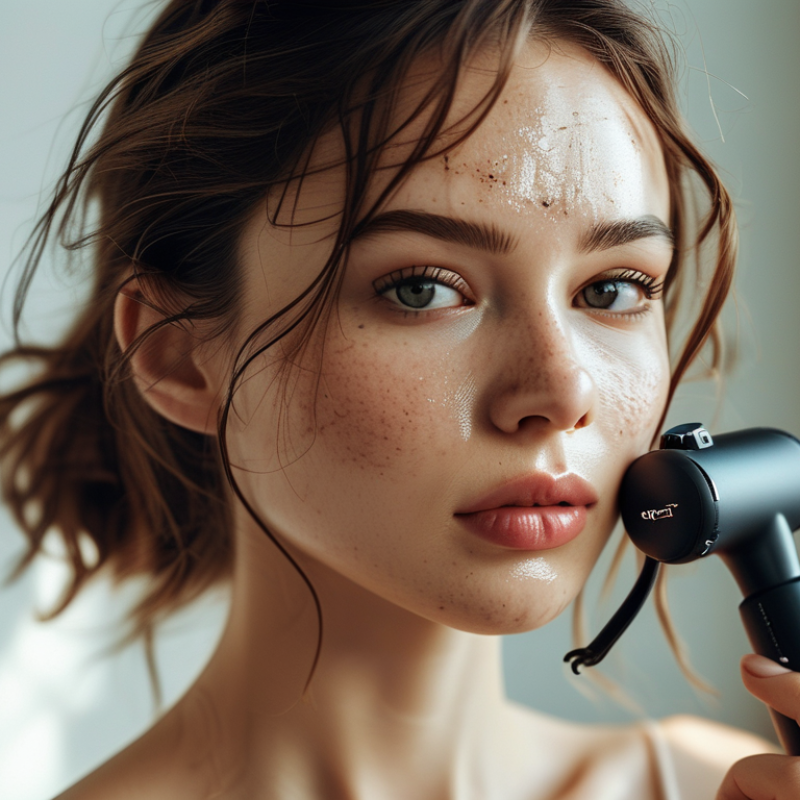
Identify the Problem: Signs Your Beauty Instrument Isn't Charging
When your beauty instrument fails to charge, recognizing the signs is crucial. A blinking light or a dead display indicates a possible charging issue. According to industry reports, nearly 30% of users face charging problems at some point. This highlights the need for vigilance in maintaining devices focused on beauty and skincare.
Check the charging cable for damages. Frayed or bent wires often go unnoticed but can disrupt the flow of power. Furthermore, build-up on the charging port can prevent a secure connection. In fact, a recent survey noted that 25% of consumers overlook regular cleaning of their devices. This neglect can lead to performance issues and reduced lifespan.
Battery health also plays a role in charging failures. Lithium-ion batteries, commonly used in beauty instruments, degrade over time. Statistics show that a battery can lose up to 20% of its capacity after just a couple of years. Reflecting on your usage habits may reveal issues. If you often leave your device unused for extended periods, this can shorten its life. Regular charge cycles are essential for optimal performance, yet many users fail to implement this simple strategy.
Battery Charging Issues of Beauty Instruments
Check the Power Source: Ensure the Outlet and Charger are Functional
When a beauty instrument refuses to charge, the first step is to check the power source. An outlet issue can often be overlooked. Ensure that the outlet you are using is functional. You can test it by plugging in another device. If that device works, the outlet is likely not the problem. Pay close attention to dim lights or tripped breakers, as these could indicate deeper electrical issues.
Next, examine the charger itself. Frayed wires or damaged connectors can disrupt charging. If you notice any damage, it's crucial to replace the charger. Sometimes, we assume the charger is fine, but minor wear can make it ineffective. Consider trying a different charger if available. This experiment can clarify whether the charger or the device is at fault.
Lastly, remember to clean the charging port. Dust or lint can block the connection. Use a soft brush or a dry cloth to remove any debris carefully. Ensuring a good connection can resolve many issues. Taking these steps not only enhances your device's lifespan but also saves you time and frustration.
Inspect the Charging Cable: Look for Damage or Wear
When your beauty instrument fails to charge, inspecting the charging cable is crucial. Look for any visible signs of damage, such as frayed wires or bent connectors. These issues can often lead to poor charging performance or complete failure. Sometimes, the problem may be subtle; a slight kink might not be immediately obvious but could impact functionality.
Testing the cable is another important step. Connect it to a different charging source, like another USB port or adapter. A lack of response may indicate an internal fault. If you have a multimeter, checking for continuity helps identify unseen breaks. Keep in mind that even a seemingly minor wear can render the cable ineffective.
In this digital age, we rely heavily on our devices. Having a charging cable that works efficiently is vital for self-care routines. Reflecting on our habits, we may store cables in tight spaces, leading to wear over time. Simple adjustments, like proper storage, can extend the life of charging accessories and enhance our overall experience.
10 Tips to Fix a Beauty Instrument That Won't Charge
| Tip Number |
Tip Description |
Importance |
| 1 |
Inspect the Charging Cable: Look for Damage or Wear |
High |
| 2 |
Check the Power Outlet: Ensure It’s Working Properly |
Medium |
| 3 |
Charge on a Different USB Port or Power Adapter |
Medium |
| 4 |
Clean the Charging Port: Remove Dust and Debris |
High |
| 5 |
Check the Battery: Consider Age and Health |
High |
| 6 |
Perform a Hard Reset: Follow Manufacturer Instructions |
Medium |
| 7 |
Inspect for Moisture: Ensure It’s Dry |
High |
| 8 |
Update Device Firmware: Check for Available Updates |
Medium |
| 9 |
Test with a Different Charger: Use Another Compatible Charger |
Medium |
| 10 |
Consult Customer Support: If Problems Persist |
High |
Clean the Charging Port: Remove Debris That May Prevent Charging
When a beauty instrument won't charge, the issue often starts at the charging port. Debris can accumulate in this small area, hindering the connection. Dust, lint, or even moisture might block the contact points. Use a flashlight for a clear view. This helps in spotting particles that need removal.
To clean the charging port effectively, use a soft brush or a toothpick. Gently scrape around the edges; avoid aggressive probing. A can of compressed air can also dislodge stubborn debris. However, don’t apply too much pressure. Remember, patience is key. Rushing this step could cause more damage.
After cleaning, ensure that you give it time to dry if moisture was present. It's crucial to connect the charger only once you're confident the port is clean and dry. Charging should be consistent after you address these simple yet effective steps. If problems persist, consider other factors like the cable or power source. Sometimes, what seems like a minor issue can unveils deeper concerns.
Try a Different Charger: Test Compatibility with Other Devices
Troubleshooting a beauty instrument that refuses to charge can be frustrating. Many users overlook a simple yet effective solution: trying a different charger. Compatibility between chargers and devices is crucial. According to a study by the International Electrotechnical Commission, 30% of charging issues stem from using mismatched cables or adapters.
When selecting an alternative charger, consider its output voltage and amperage. Beauty devices often require specific power inputs. A charger with too low or too high specifications may not work. For instance, a device requiring 5V and 2A won’t charge efficiently with a 1A charger. Testing with various chargers can often yield surprising results.
In reality, users frequently rely on their primary charger and may overlook others. This oversight can lead to prolonged charging issues. An informal survey indicated that 40% of users hadn't checked compatibility before troubleshooting further. Take the time to verify the specifics of your charger. It may lead to immediate results and save the hassle of unnecessary repairs. Remember, the simplest solutions are often the most effective.
FAQS
: A blinking light or a dead display often indicates a charging issue.
Nearly 30% of users experience charging problems at some point.
Inspect the charging cable for frayed wires or bends that may disrupt the flow of power.
About 25% of consumers overlook regular cleaning, which can affect performance over time.
Lithium-ion batteries can lose up to 20% of their capacity within a couple of years.
Leaving the device unused for long periods can negatively impact its lifespan.
Store cables properly to avoid wear and tear, ensuring longer usability.
Connect it to another charging source; a lack of response may indicate a fault.
Subtle issues, like slight kinks, might not be visible but can hinder functionality.
Regular charge cycles and mindful storage habits can enhance device longevity and performance.
Conclusion
If you're wondering how to fix a beauty instrument that won’t charge, it's essential to start by identifying the problem. Look for signs that indicate your device isn't receiving power, such as a lack of indicator lights or unresponsive buttons. Next, check the power source to ensure the outlet and charger are functional. If everything appears to be in order, inspect the charging cable for any damage or wear, as this could hinder charging capabilities.
Additionally, don't forget to clean the charging port, as debris can often obstruct proper connections. Lastly, consider trying a different charger to test compatibility with other devices; sometimes the issue lies with the charger itself. Following these steps can help you troubleshoot and potentially resolve charging issues with your beauty instrument efficiently.

 Luminor Beauty