What Age Should You Start Anti Aging Beauty Devices in 2026?

Time:2026-09-11 Author:Sophia
0%

The question “what age should you start using anti aging beauty devices” has no universal answer. Skin changes at different speeds, depending on genetics, sun exposure, hormones, stress, and daily habits. In 2026, many people begin exploring gentle devices in their late twenties or early thirties. However, starting earlier does not always mean achieving better results.

Board-certified dermatologic surgeon Dr. Dendy Engelman has said, “Prevention is always better than correction.” Her point supports a balanced approach. A person with early expression lines may consider low-intensity LED therapy, while someone with sensitive skin may need professional guidance first. Think of a warm bathroom mirror, a careful cleansing routine, and five quiet minutes with a device—not an aggressive treatment plan.

Consistency matters more than excitement. It does.

Anti-aging devices can support skincare, but they cannot replace sunscreen, sleep, hydration, or medical advice. LED masks, microcurrent tools, and radiofrequency devices also differ in energy levels, evidence, and safety requirements. Some users may notice smoother-looking skin after several weeks. Others may see little change, which can feel disappointing.

This guide examines the most suitable starting ages, device categories, and realistic expectations for 2026. It also considers contraindications and professional supervision. The honest answer may be less satisfying: the right age depends on your skin’s condition, not your birthday. Yet that answer is safer, more practical, and easier to trust.
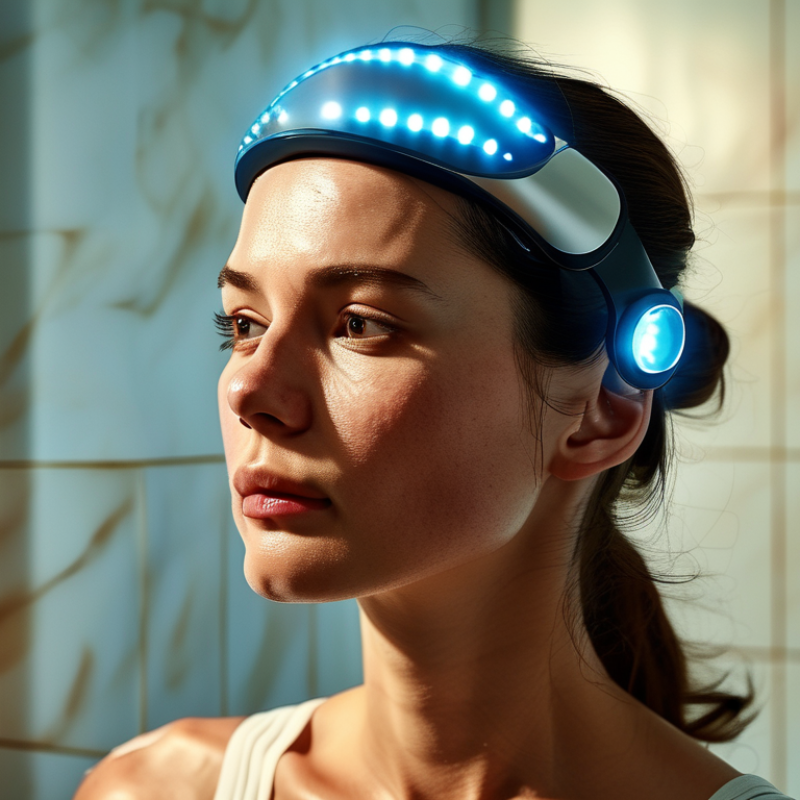
What Age Should You Start Anti Aging Beauty Devices in 2026?

Understanding When Anti-Aging Beauty Devices Become Relevant

Anti-aging beauty devices become relevant when skin changes are visible, persistent, or personally bothersome—not at a fixed birthday. In the mid-to-late twenties, collagen production gradually slows, but this does not automatically justify intensive treatments. Daily sunscreen, adequate sleep, gentle cleansing, and moisturizer usually offer greater value. A simple device may support maintenance when used consistently. Consistency matters more.

By the thirties and forties, fine lines around the eyes, uneven tone, reduced firmness, or slower recovery may make targeted devices more useful. Light-based tools, microcurrent-style devices, and gentle heating systems work differently. Their claims should be checked against reliable clinical evidence.

Follow instructions carefully, especially exposure time and treatment frequency. I have found that realistic routines outperform exciting gadgets left unused in a drawer. Results are usually subtle.

Professional guidance matters for sensitive skin, melasma, active acne, rosacea, implanted electronic devices, or medication-related photosensitivity. A qualified dermatologist can review your history and identify unsuitable technologies. Stop if burning, swelling, blistering, or lasting redness appears. Patch testing can reduce surprises, although it cannot guarantee safety. Age-based advice is imperfect; skin condition, expectations, budget, and patience often matter more. Starting too early may encourage unnecessary spending, while starting later is not failure.

How Age, Skin Type, and Concerns Influence Device Selection

What Age Should You Start Anti Aging Beauty Devices in 2026?

There is no universal starting age for anti-aging beauty devices. In 2026, selection should follow skin needs, not a birthday. Many people begin in their late twenties or thirties when dullness, uneven tone, or fine lines become noticeable. Younger users may prefer gentle light-based devices for temporary redness or blemish support. Start gently. More intensity does not guarantee better results.

Skin type changes the decision. Dry skin may tolerate mild stimulation but still needs a protective moisturizer afterward. Oily or acne-prone skin requires careful cleaning, especially when a device touches the face. Sensitive or rosacea-prone skin should avoid frequent heat, strong exfoliation, and aggressive settings. A patch test can reveal irritation before a full treatment. It is an imperfect safeguard, but useful.

Your concern matters more than the device’s “anti-aging” label. Light therapy may suit people focused on tone and texture, while microcurrent-style tools are often chosen for a temporary lifted appearance. Heat-based technologies require extra caution around pigmentation and fragile skin. Avoid treating inflamed areas, broken skin, or suspicious marks. A qualified dermatologist can assess persistent redness, pigmentation, or changing lesions before home use. Keep a simple record: date, setting, skin reaction, and recovery time. That record may challenge your original expectations. Results are usually gradual, and inconsistent use can make a promising device seem ineffective.

What Age Should You Start Anti-Aging Beauty Devices in 2026? — How Age, Skin Type, and Concerns Influence Device Selection

General, non-brand guidance for selecting cosmetic skin devices. Age ranges are practical planning guidelines rather than medical rules.
Age range Common skin goals Skin type or concern Device categories to consider Typical use pattern Important selection notes
Under 25 Prevention, acne support, and maintaining an even complexion Oily, combination, or blemish-prone skin LED devices designed for acne support; gentle cleansing devices used according to instructions Follow the device directions; consistency is more important than high intensity Daily broad-spectrum sunscreen and a basic skincare routine usually provide greater preventive value than anti-wrinkle devices at this age.
25–34 Early prevention, dullness, mild texture changes, and occasional fine lines Most skin types; sensitive skin requires lower irritation risk Red or near-infrared LED; low-intensity microcurrent where appropriate; gentle facial massage tools LED is commonly used several times weekly; use other devices only as directed Choose devices with clear instructions and eye-safety guidance. Avoid treating active irritation or a damaged skin barrier.
35–44 Fine lines, uneven tone, reduced firmness, and post-acne texture Normal, dry, combination, or sun-exposed skin LED; professionally supervised radiofrequency; professional microneedling for selected texture concerns Non-invasive devices require repeated sessions; microneedling is commonly spaced weeks apart by a qualified provider Professional assessment is useful when pigmentation, scarring, or persistent redness is the main concern.
45–54 Visible wrinkles, loss of elasticity, dryness, and photodamage Dry or mature skin; uneven pigmentation; easily irritated skin LED; professionally delivered radiofrequency; selected ultrasound or microneedling treatments Treatment intervals vary by technology, energy level, and skin response; do not increase frequency to accelerate results For brown or darker skin tones, discuss post-inflammatory hyperpigmentation risk before heat-based or needle-based procedures.
55–64 Firmness, deeper lines, rough texture, and age-related dryness Mature, thin, dry, or fragile skin LED and carefully selected professional energy-based treatments; microneedling only after suitability review Use conservative settings and allow adequate recovery time between professional treatments A clinician should review medications, healing capacity, skin lesions, and any history of poor scarring before invasive procedures.
65 and older Comfort, hydration support, texture, and conservative improvement in visible aging signs Fragile, very dry, reactive, or medically treated skin Low-irritation LED or professionally selected non-invasive treatments Begin gradually, monitor for prolonged redness or discomfort, and follow professional guidance Age alone is not a contraindication, but thinner skin, slower healing, and medication interactions make professional screening especially important.
Any age Sun spots, uneven tone, redness, or a changing skin lesion All skin types Professional evaluation before using light, heat, or needling devices on the area Do not self-treat an undiagnosed lesion A new, changing, bleeding, itching, or non-healing spot should be assessed by a qualified healthcare professional before cosmetic treatment.
Safety and evidence notes: No single starting age is medically required for anti-aging devices. Daily broad-spectrum sunscreen, gentle cleansing, moisturization, and avoiding tanning remain foundational. Follow the specific device instructions, protect the eyes when required, and stop use if significant pain, blistering, swelling, or persistent irritation occurs. People who are pregnant, photosensitive, using photosensitizing medication, have implanted electronic devices, active skin disease, or a history of abnormal scarring should seek professional advice before using energy-based or needle-based devices.

Choosing the Right Anti-Aging Technology for Each Life Stage

What Age Should You Start Anti-Aging Beauty Devices in 2026?

Choosing the right anti-aging technology depends more on skin needs than birthdays. In the early twenties, daily sunscreen, gentle cleansing, and moisturising usually matter most. Light-based devices may support a clearer, calmer complexion, but results can be subtle. More technology is not always better.

During the late twenties and thirties, early lines, uneven tone, or slower recovery may become noticeable. Low-level light therapy can complement a consistent routine. Microcurrent devices may temporarily improve the appearance of facial firmness. Evidence differs between technologies, so follow published safety guidance and avoid exaggerated promises.

In the forties and beyond, radiofrequency or professional light treatments may suit people concerned about texture and laxity. Home devices generally deliver gentler results than clinic equipment. That difference matters. A qualified dermatology professional should review sensitive skin, pigmentation concerns, medications, and previous procedures before use. Protective eyewear may be necessary for certain light-based treatments.

Start slowly. Keep records.

Patch testing can reveal irritation before regular use. Stop if burning, swelling, or persistent redness develops. I once assumed a stronger setting meant faster improvement, but skin often responds better to patience. Personal goals, medical history, and realistic expectations should guide the choice at every life stage.

What Age Should You Start Anti-Aging Beauty Devices in 2026?

The chart shows a modeled skin-collagen index by age. It uses the commonly cited estimate that collagen production declines by approximately 1% per year after age 20. This is a general educational model, not an individual medical measurement.

In the 20s, prioritize prevention, daily sunscreen, and gentle skincare. From the 30s onward, users may consider evidence-based at-home technologies such as LED light devices or microcurrent tools, provided they follow safety instructions. In the 40s and beyond, professional advice becomes increasingly valuable, especially for sensitive skin, pigmentation, or deeper wrinkles.

Safe Usage Guidelines for Beginners and Long-Term Users

What Age Should You Start Anti-Aging Beauty Devices in 2026?

There is no medically fixed starting age for anti-aging beauty devices. Many dermatologists suggest waiting until visible concerns appear, often in the late twenties or thirties. Younger users should prioritize sunscreen, sleep, and barrier care. Devices cannot replace these basics. Start gently. A 2023 ISAPS Global Survey recorded 19,109,866 nonsurgical aesthetic procedures worldwide, showing strong demand but not guaranteed results. Popularity is not proof.

Beginners should choose one device and follow its official instructions exactly. Use the lowest comfortable setting, protect your eyes, and avoid broken, irritated, or recently exfoliated skin. Clean the contact surface before and after use. Do not use energy-based devices over implanted electronic equipment, and ask a qualified clinician about pregnancy, photosensitizing medicines, melasma, or active skin disease. Stop if burning, blistering, swelling, or lasting redness appears. Pain is not progress.

Long-term users should keep a dated photo record every four to eight weeks. It helps separate real change from bathroom lighting. Frequency should remain within the tested schedule, even when results plateau. The U.S. FDA’s medical-device safety guidance emphasizes following labeling and reporting unexpected reactions; at-home devices still require judgment. Evidence for dramatic, permanent “anti-aging” effects remains limited, and I would be cautious with any claim promising clinic-level results at home. A dermatologist can reassess settings when skin changes, medications, or sensitivity changes.

Evaluating Results, Risks, and Professional Skincare Support

What Age Should You Start Anti Aging Beauty Devices in 2026?

Age alone should not decide when to start an anti-aging beauty device. Skin condition, sensitivity, sun exposure, and medical history matter more. In the mid-twenties, gentle options may support hydration and temporary brightness. Stronger energy-based devices usually require more caution. Early use is not automatically better.

Results can be modest and gradual. Some users notice smoother texture after several weeks, while others see little change. That difference is normal. Home devices may cause redness, dryness, burns, or uneven pigmentation when used too often. Eye protection is essential around light-based equipment. People with active skin disease, unusual pigmentation, or photosensitivity should seek medical advice first.

Professional skincare support makes the decision safer and more realistic. A licensed dermatologist or qualified clinician can assess your skin barrier, explain evidence, and recommend suitable treatment intervals. They can also identify problems that a mirror may miss. Do not treat expert advice as a guarantee. Results vary.

A careful plan beats urgency.

Use sunscreen daily, follow instructions, and stop when irritation persists. I used to think prevention meant starting early with stronger treatments. That assumption needs reconsideration. Healthy skin habits often provide more dependable protection than expensive, aggressive routines.

FAQS

: What age should I start using anti-aging beauty devices?

: There is no fixed starting age. Visible skin changes matter more than birthdays. In your twenties, sunscreen, sleep, cleansing, and moisturizer usually provide greater value. A simple device may support maintenance when used consistently. Starting earlier is not automatically better.

Which skin changes may justify using a beauty device?

Fine eye lines, uneven tone, reduced firmness, or slower recovery may be relevant. These changes should remain noticeable and personally bothersome. Temporary dullness may improve with basic skincare alone. Do not treat every small line as a problem needing technology.

Which technologies suit different life stages?

Gentle light-based tools may complement routines in the twenties and thirties. Microcurrent-style devices may temporarily improve the appearance of facial firmness. Heating or radiofrequency-style tools may target texture and laxity later. Home devices are usually gentler than professional equipment. Evidence varies.

How quickly can I expect visible results?

Results are usually subtle and gradual. Some people notice smoother texture after several weeks. Others see little change, even with regular use. Keep records with similar lighting and camera distance. Expectations need checking.

How should I use an anti-aging beauty device safely?

Start with the lowest suitable setting and follow the instructions. Respect treatment times and recommended frequency. Patch testing may reveal irritation before regular use. Protective eyewear may be necessary for certain light-based treatments. Start gently.

Which symptoms mean I should stop using the device?

Stop if burning, swelling, blistering, or persistent redness appears. Dryness and unusual darkening also deserve attention. Do not continue simply because you paid for the device. Contact a qualified skin professional if symptoms continue. Skin can be unpredictable.

Who should seek professional advice before using a device?

Professional guidance is important for sensitive skin, rosacea, active acne, or unusual pigmentation. Medication-related photosensitivity also requires careful review. People with implanted electronic devices should ask a qualified clinician first. Previous procedures may change what is suitable. A mirror may miss important details.

Can a stronger setting produce faster anti-aging results?

Not reliably. Higher intensity may increase redness, burns, dryness, or uneven pigmentation. I once assumed stronger treatment meant quicker improvement. That assumption needs reconsideration. Patient, consistent routines often perform better than exciting devices left unused.

Conclusion

Deciding what age should you start using anti aging beauty devices depends less on a specific birthday and more on your skin’s condition, goals, and sensitivity. Many people may begin exploring gentle devices in their late twenties or thirties, when early concerns such as dullness, uneven texture, or fine lines appear. However, skin type, lifestyle, existing conditions, and personal expectations should guide the choice. Different technologies may target cleansing, hydration, firmness, or the appearance of wrinkles, so selecting a device that matches your needs is essential at every life stage.

Beginners should start with the lowest comfortable intensity, follow the instructions carefully, and avoid excessive use. Long-term users should monitor changes, maintain consistent skincare habits, and stop if they experience persistent redness, pain, or irritation. Results are usually gradual and should be evaluated realistically rather than promised instantly. When concerns are significant or the skin is highly reactive, professional skincare advice can help determine whether a device is appropriate and how to use it safely.

Sophia

Sophia

Sophia is a dedicated marketing professional with an exceptional depth of knowledge about her company's products and services. With a keen understanding of market trends and customer needs, she crafts insightful blog posts that not only inform but also engage readers, enriching the company’s online......