LED therapy masks from Chinese manufacturers come in different designs, power systems, and control layouts. When a mask stays dark, the cause may be simple: a loose cable, an uncharged battery, or a control that needs a longer press. Still, the symptoms do not always point to one clear fault. That can be frustrating.
If you are asking, “why is my led light therapy mask not turning on,” begin with the basics. Check the outlet, adapter, charging cable, and every connection, then compare the indicator lights with the user manual. Some models operate only while connected to power; others need a full charge before use. Small details matter.
This guide explains practical checks for common power and startup problems. It also covers signs that call for stopping use, such as unusual heat, a damaged cable, or a burning smell. Do not open the device or guess at internal repairs. That may make the problem worse.
Product specifications and support options vary, especially across masks sold under different brands. Check the exact model number and contact the seller or manufacturer if basic checks fail. It is easy to blame the mask too quickly, but the power source may be at fault. And sometimes, the device itself needs service.
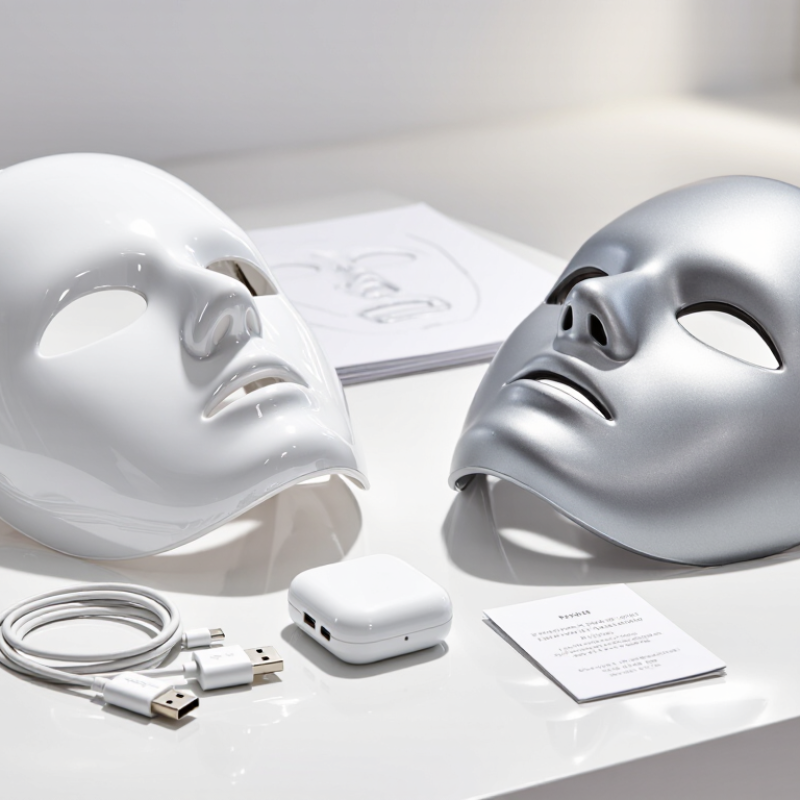
How LED Therapy Masks Receive and Activate Power
LED therapy masks receive power through a rechargeable battery, a wall adapter, or a cable connected to a control unit. The exact setup varies. Check the manual before connecting anything, since some devices charge through a separate controller. A loose plug can interrupt power even when the mask looks connected.
Start with the simple checks. Is the battery charged? Does the charging light appear? Try a known-working outlet and inspect the cable for bends, fraying, or a loose connector. Keep the charging port dry. If the device has a power button, press and hold it as directed; a quick tap may not start every model. Some masks also require a controller connection before the LEDs activate. Small details matter.
If the mask still will not turn on, disconnect it and let it cool for a few minutes. Then reconnect the parts firmly and try again. Avoid forcing a plug or using an unapproved charger; incorrect voltage can damage electronics. Stop if you notice unusual heat, a burning smell, or visible damage. It is easy to blame the LEDs too quickly. I might check the cable twice before suspecting an internal fault. If basic checks fail, contact the seller or a qualified service provider rather than opening the device.
Checking the Outlet, Adapter, Cable, and Connections
When a LED therapy mask stays dark, trace the power path from wall outlet to device. Check that the outlet switch is on, then test the socket with a working lamp. It is easy to rush this check. If the outlet works, compare the adapter’s output rating with the mask’s instructions. A plug that fits does not prove compatibility. Seat the adapter firmly at both ends, then inspect the cable for cracks, kinks, or exposed wires. Check connectors for bent pins or lint. Disconnect power before cleaning them, and keep all parts dry. Still, check carefully.
Try a confirmed working outlet, not an unverified extension lead. Follow the manual’s charging instructions; some masks may not light while charging.
NFPA’s Home Electrical Fires report, covering 2015–2019, estimated 46,700 home structure fires annually involving electrical failure or malfunction. This figure is not specific to therapy masks, but it underscores why damaged power components deserve attention.
Stop using any adapter or cable that feels unusually hot, smells burnt, sparks, or has exposed wiring. Do not open the controller. If the outlet, adapter, cable, and connections all check out, note any indicator lights and contact the seller or qualified service support. A small detail can be easy to miss.
Inspecting the Controller, Power Button, and Startup Settings
When an LED therapy mask will not turn on, begin with its controller. Check that the cable is fully seated at both ends and has no sharp bends, exposed wires, or loose fittings. Keep the connectors dry while inspecting them. Check the basics. If the controller has a display or indicator light, note whether it stays dark, flashes, or briefly appears when connected. That detail can help distinguish a power issue from a startup setting.
Press the power button firmly for the duration stated in the user manual. Some devices need a short hold, while others start with a single press. Look for a travel lock, timer setting, or mode that may prevent the lights from starting. If the mask uses a rechargeable controller, connect it to the specified charger and check for a charging indicator. It is easy to blame the battery too soon; I would check the button and settings first.
Disconnect the device before reseating any removable cable, then reconnect it and try one controlled startup. Avoid repeatedly pressing the button or using an unapproved power adapter. If the controller becomes unusually warm, smells odd, or shows visible damage, stop using it. A manual’s troubleshooting steps are more reliable than guessing, though they may not cover every fault. If the mask remains unresponsive after these checks, contact the seller or a qualified service provider.
Recognizing Battery, Charging, and Device Faults
When an LED therapy mask will not turn on, check its power supply before assuming the mask has failed. Use the charging cable and adapter specified in the user manual, then test the wall outlet with another device. Look for a charging indicator. No light? Reseat the cable gently and check for lint, moisture, or damage around the charging port. Keep metal objects out of the port. Wait a minute. A depleted battery may need the full charging time stated in the manual; a quick plug-in may not be enough. Avoid guessing with an unfamiliar high-output adapter, since the wrong power source can cause problems.
Once charged, disconnect the cable and try the power button exactly as instructed. Check that the controller connector is firmly aligned, not strained or partly loose. It is easy to blame the LED panel too soon; a worn cable, aging battery, or controller fault can look much the same. That detail matters. If the mask still shows no response, stop repeated charging attempts. Do not open the casing or use it if you notice unusual heat, swelling, or a burnt smell. Contact the seller or a qualified repair service with the charging behavior and any indicator lights noted. A small detail, like a light that flickers once, can help identify the fault.
When to Contact the LED Mask Manufacturer for Support
When an LED therapy mask will not turn on, pause before repeatedly pressing the control. Check that the cable is fully connected and the outlet works. Let the mask charge for the time stated in its manual. Look for a loose connector, moisture, or visible damage, but do not open the housing. Use only a reset procedure approved for that model. These checks may catch a setup issue, but they cannot diagnose an internal fault. It is tempting to blame the battery right away; that guess can be wrong.
Contact the manufacturer’s support team if the mask still will not power on after the manual’s troubleshooting steps, or if its charging indicator behaves unexpectedly. Stop using it if the casing is cracked, it smells unusual, or it becomes hot while charging. That matters. Share the model number, purchase date, charger details, and what happens when you press the power button. A clear photo of a damaged connector or an error indicator may help support assess the problem. Ask whether the unit needs inspection or replacement, and follow their instructions before trying another charger or repair. Keep your receipt and written support advice. Don’t attempt a repair yourself; it could worsen the fault or make later assessment harder.
Conclusion
If you’re wondering, “why is my led light therapy mask not turning on,” start by checking how the mask receives power. Confirm that the outlet works, the adapter is suitable, and the cable and connectors are firmly attached and undamaged. If the mask uses a rechargeable battery, make sure it has had enough time to charge and that the charging indicator behaves as expected.
Next, inspect the controller and power button. Follow the device’s startup steps, check that the controls are connected properly, and look for settings or safety features that may prevent the mask from starting. If these checks do not help, the issue could involve a depleted or faulty battery, a damaged cable, or an internal device problem. Stop using the mask if you notice unusual heat or visible damage, and contact the manufacturer’s support team for guidance rather than attempting an internal repair.

 Luminor Beauty