High-frequency wands are often marketed as simple tools for clearer, calmer-looking skin. Their violet glow and faint buzzing can make a bathroom routine feel professional. Yet daily use may create more irritation than improvement, especially for sensitive or dry skin. This raises an important question: why you should not use high frequency wands every day.
These devices use a mild electrical current through a glass electrode. Manufacturers commonly claim benefits such as reduced surface bacteria, temporary redness relief, and improved circulation. However, results can vary widely between users. Scientific evidence for frequent at-home use remains limited, and marketing claims should not replace dermatological advice. A dermatologist would consider your skin barrier, acne type, medications, and history of sensitivity before recommending a routine.
Using a wand every day may leave skin tight, flaky, or unusually warm. Repeated exposure can also worsen irritation around the nose, cheeks, or active blemishes. It may feel effective at first. That feeling can be misleading. More sessions do not automatically produce faster results. Safe use depends on the device instructions, clean skin, low intensity, and proper session timing. Avoid applying it over broken skin or using it near flammable products. People with certain implanted medical devices or specific health conditions should seek professional guidance first. Even careful users can overdo it when chasing quick results. This guide examines the risks, realistic benefits, and safer habits behind high-frequency wand use. It also acknowledges an uncomfortable point: skincare advice is not always perfectly consistent, so personal observation and qualified medical guidance still matter.
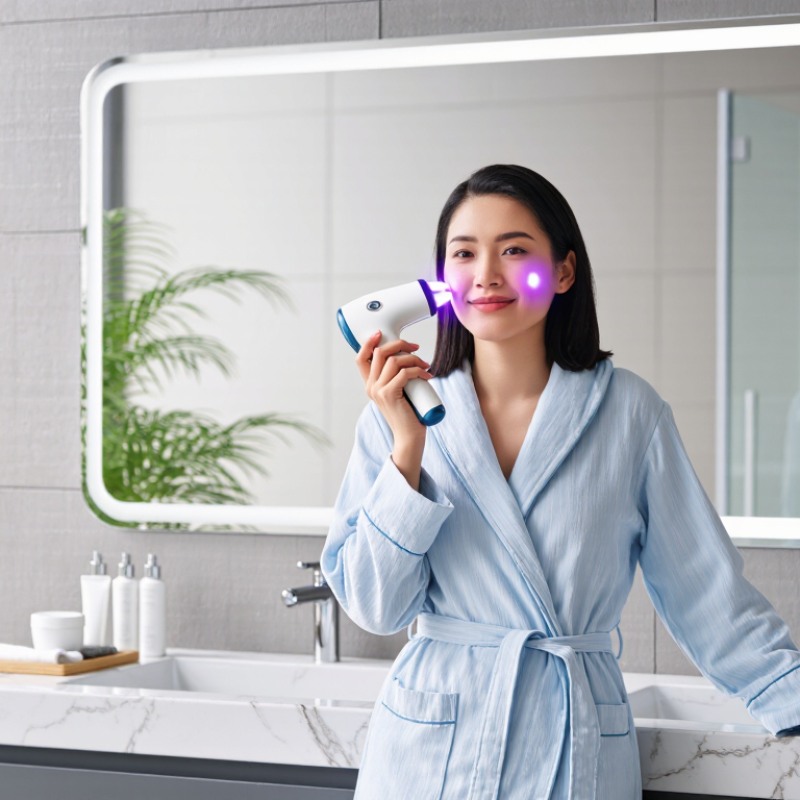
High-frequency wands pass a mild electrical current through a glass electrode, creating a faint violet glow and a small amount of ozone. On the skin, this can produce gentle warmth, temporary redness, and increased surface circulation. Some users notice a cleaner, tighter feeling after treatment. However, these effects are usually short-lived, not permanent changes in skin structure.
Daily use may stress the skin barrier. Repeated heat and electrical stimulation can cause dryness, stinging, flaking, or persistent redness, especially on sensitive skin. Ozone exposure near the face may also irritate the eyes and airways. Acne-related claims deserve caution. Laboratory findings do not always translate into reliable home results, and a wand cannot replace proven medical treatment.
Less is often safer. Allow recovery days, use the lowest comfortable setting, and keep the electrode moving over clean, completely dry skin. Avoid broken skin, active rashes, and areas near the eyes. Stop when burning or swelling appears. A small patch test helps, although it cannot predict every reaction. I would not treat mild tingling as proof of benefit; sometimes it signals irritation instead. People with implanted electronic devices, seizure disorders, or unexplained skin changes should seek professional advice before use.
High-frequency wands can make skin feel temporarily fresh, but daily use may create a different outcome. Mild electrical stimulation and heat can increase redness, dryness, or tightness, especially on sensitive skin. The National Eczema Association reports that eczema affects more than 31 million Americans in the United States. Many affected people already have a weakened skin barrier.
That matters. Daily stimulation may reduce comfort before visible damage appears. Some users notice stinging around the nose, flaky cheeks, or unusual sensitivity to moisturizers. The American Academy of Dermatology advises stopping irritating products when burning, redness, or swelling develops. A high-frequency wand should not be treated like a harmless cleansing step.
Clinical evidence remains limited. A review in the Journal of Clinical and Aesthetic Dermatology found that high-frequency treatments have promising cosmetic uses, but stronger controlled studies are still needed. That gap deserves attention. “More often” does not automatically mean “more effective.”
A cautious routine is more reasonable. Use the lowest comfortable setting and follow the device’s instructions. Avoid broken skin, active rashes, and areas that already feel hot or sore. Leave recovery days between sessions. Daily use may seem efficient, yet skin often needs quiet time to rebuild its protective barrier. Even experienced users can misjudge early irritation.
High frequency wands can make skin feel temporarily fresh, but daily use may create unnecessary stress. The main risk is incorrect frequency combined with excessive treatment time. Repeated exposure can cause redness, dryness, tightness, or mild burning. Sensitive skin may react faster than expected. The discomfort is not proof that the treatment is working.
Using a wand too often can also weaken the skin barrier. Small areas, such as the nose or chin, are easy to over-treat. Longer sessions may increase irritation and leave uneven dark marks, especially after inflammation. Avoid broken skin, active rashes, and the eye area. Follow the device instructions, but adjust cautiously for your skin’s response. A lower setting and shorter session may be more suitable. I would not assume that stronger treatment produces better results. That assumption deserves reconsideration.
Tips: Start with clean, dry skin and use the lowest comfortable setting. Keep each area moving instead of holding the wand in one place. Begin with one session weekly, then observe your skin for 24 to 48 hours. Stop if you notice persistent redness, swelling, pain, or peeling. Do not increase frequency until your skin has remained calm for several sessions. A qualified dermatologist can help when irritation continues or when you have a skin condition or uncertain medical history.
A high-frequency wand can leave skin feeling warm, tight, or slightly dry. Daily use may increase irritation, especially when your barrier is already weak. Published clinical evidence on home high-frequency wands remains limited. That matters. The American Academy of Dermatology estimates that acne affects up to 50 million Americans annually, but acne statistics do not prove that frequent electrical treatments are suitable for everyone. I would not treat daily use as a skincare rule.
For oily, resilient skin, try one session weekly at first. If redness and dryness do not appear, some users may tolerate two sessions weekly, separated by several days. Dry or sensitive skin needs a slower schedule. Once every 7–10 days is more cautious. Avoid use after exfoliating acids, retinoids, waxing, or strong cleansing. Patch-test a small area for 24 hours. A short session is safer than chasing a stronger sensation.
Rosacea-prone skin deserves extra caution. The National Rosacea Society reports that more than 16 million Americans live with rosacea, and heat can aggravate visible flushing in some people. Skip the wand during burning, peeling, or active flare-ups. Do not use it over broken skin or near the eyes. The AAD recommends professional evaluation for persistent redness or acne-like bumps. My schedule may still be too generous for reactive skin; individual tolerance can change with weather, medication, and stress. Stop when your skin feels hot, unusually shiny, or tender.
Why You Should Not Use High Frequency Wands Every Day?
High-frequency wands can create heat, mild tingling, and temporary redness. Daily use may weaken the skin barrier, especially on dry or sensitive skin. The American Academy of Dermatology Association reports that irritation commonly appears as burning, stinging, redness, or swelling. These symptoms should not be treated as normal progress. Stop immediately if your skin feels hot for hours, develops blisters, or becomes painful. Stop too if redness spreads beyond the treated area. A 2023 review in the International Journal of Dermatology noted that evidence for cosmetic electrical devices remains limited and inconsistent. More use does not automatically mean better results. That assumption deserves questioning.
Tips: Clean the electrodes before use. Test a small area first. Follow the device instructions, and avoid broken skin, active rashes, and recently exfoliated areas. If you experience swelling around the eyes, facial numbness, persistent itching, or dark marks, stop treatment and seek professional medical advice. The U.S. FDA’s MAUDE reporting system shows why device-related complaints should be taken seriously, although reports cannot prove that one device caused an injury. Do not restart simply because symptoms fade overnight. Photograph the reaction in natural light, record the date, and tell a qualified dermatologist what happened. Personal experience can be useful, but it is not a diagnosis.
It may create gentle warmth, temporary redness, and increased surface circulation. Some users notice a cleaner, tighter feeling. The effect is usually short-lived.
Daily treatment may stress the skin barrier. Dryness, stinging, flaking, and persistent redness can follow. More treatment is not always better.
Start with one short session weekly. Watch your skin for 24 to 48 hours. Sensitive skin may need seven to ten days between sessions.
Some resilient, oily skin may tolerate two weekly sessions. Separate them by several days. Stop if tightness, dryness, or redness appears.
Use clean, completely dry skin and the lowest comfortable setting. Keep the electrode moving over each area. Do not hold it on the nose or chin.
Avoid broken skin, active rashes, and the eye area. Skip treatment after strong exfoliation, waxing, or irritating products. Keep the glass electrode away from your eyelids.
No. Mild tingling may signal irritation rather than benefit. Burning, swelling, pain, or peeling means you should stop.
Acne-related claims need caution. Limited home-use evidence does not prove reliable results. A wand should not replace appropriate medical care.
People with implanted electronic devices, seizure disorders, rosacea, or unexplained skin changes should ask a qualified professional. Reactive skin can change with weather, medication, or stress.
Stop using the wand and let the skin recover. Avoid adding irritating products. Persistent redness, swelling, or acne-like bumps deserve professional evaluation. My schedule may still be too generous for reactive skin.
High-frequency wands use a gentle electrical current to create a warming, tingling sensation on the skin. This process may temporarily support circulation, reduce surface oil, and refresh the appearance of the complexion. However, why you should not use high frequency wands every day is that repeated stimulation can overwhelm the skin’s natural barrier, especially when the skin is sensitive, dry, inflamed, or already exposed to strong skincare products.
Using the wrong frequency, applying the wand for too long, or concentrating on one area may lead to redness, dryness, irritation, increased sensitivity, or discomfort. A safer schedule depends on your skin type and tolerance, so treatments should be brief, spaced apart, and followed by gentle hydration. Stop immediately if you experience burning, persistent redness, swelling, unusual pain, or worsening irritation. Allow the skin to recover before considering another session, and seek professional advice if symptoms do not improve.

Luminor Beauty