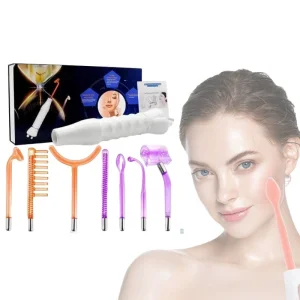
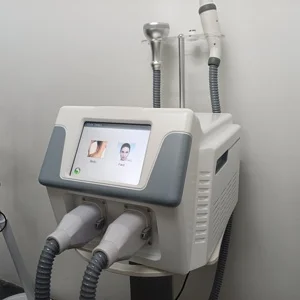
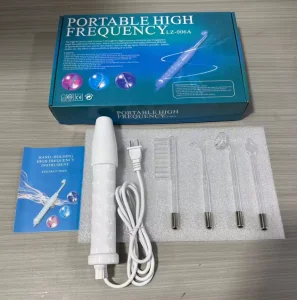
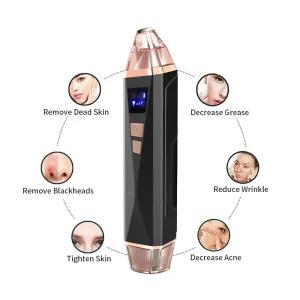
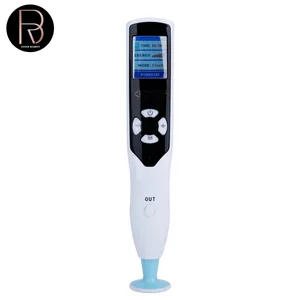
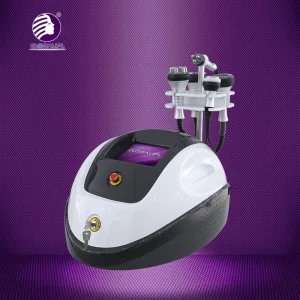
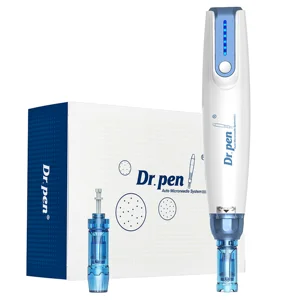
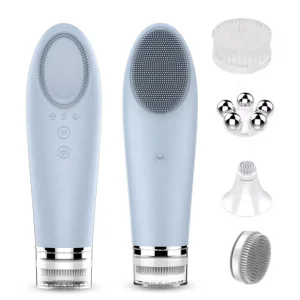
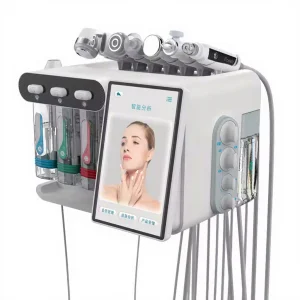
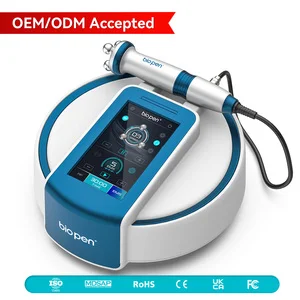
Our flagship CE-certified anti-aging and skincare devices designed for professional clinical settings and premium home care applications.
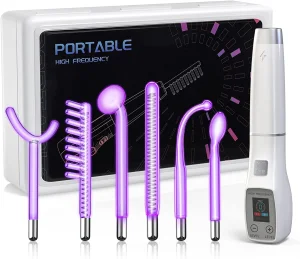
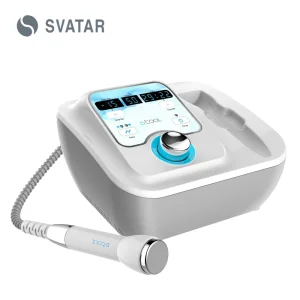
A Professional Guide for Importers, Distributors, and Med-Spa Chains regarding Quality Controls, Regulatory Compliances, and Technology Innovations.
In the highly regulated landscape of global aesthetic technology, a CE-Certified Facial Lifting Device acts as the fundamental passport for legal sales, clinical integration, and safety assurance within major global territories. Specifically, within the European Economic Area (EEA), regulatory paradigms have shifted significantly from the legacy Medical Device Directive (MDD) to the more rigorous Medical Device Regulation (MDR 2017/745). This progression changes the framework from simple safety declarations to rigorous pre-market validation and strict clinical evaluation standards.
For international buyers and distributors, procuring devices that comply with European standards ensures the product has undergone strict electrical, thermal, and mechanical safety tests. The basic electromagnetic compatibility (EMC) testing ensures the device does not emit electromagnetic interference that could compromise other clinical medical equipment, nor is it susceptible to external interferences. Additionally, compliance with the Low Voltage Directive (LVD) safeguards operators and end-users against any high-voltage shock hazards—a critical factor for handheld aesthetic tools such as high-frequency wands, microcurrent systems, and RF (radiofrequency) generators.
From an aesthetic science perspective, contemporary non-surgical facial lifting depends on specific, targeted skin layer stimulation:
A comprehensive leader in aesthetic medical and home-use beauty devices, integrating advanced R&D, tooling fabrication, precision plastic injection, and strict QA protocols.
Founded over 12 years ago, we have built a fully integrated supply chain that spans aesthetic R&D, structural design, mould fabrication, and professional international sales, delivering high-end aesthetic solutions globally.
Equipped with an independent R&D team of over 20 experienced engineers and researchers specializing in optical, radiofrequency, thermodynamic, and mechanical development to match international compliance demands.
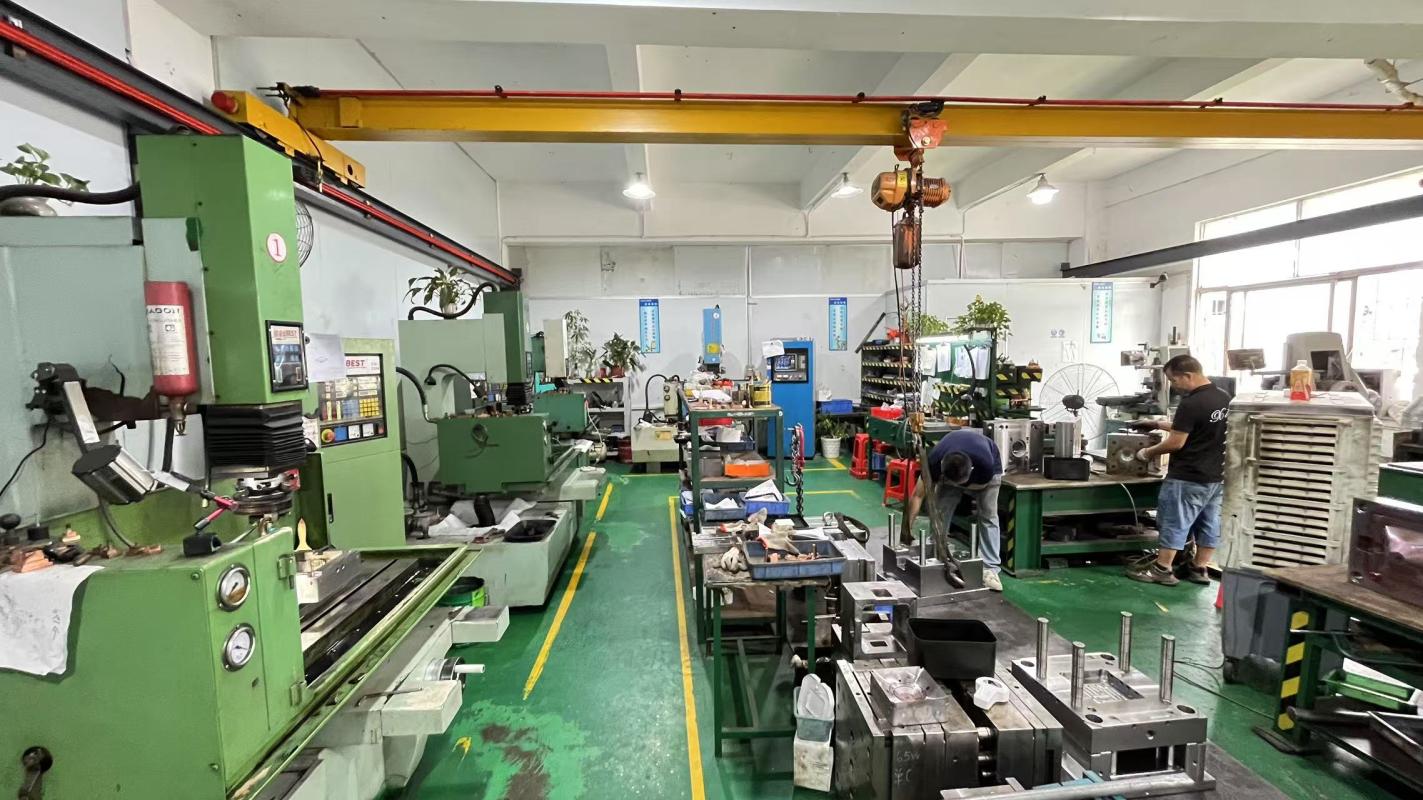
Our production base stretches across 4,000 square meters, supporting more than 20 advanced assembly lines, integrated tooling workshops, plastic injection machines, and extensive warehouse units.
China's Guangdong province, specifically the industrial hub of Guangzhou, offers distinct cluster advantages for high-tech manufacturing. Guangzhou Luminor Beauty Co., Ltd. utilizes these advantages to manage cost, quality, and time-to-market. By integrating mold tooling fabrication, plastic injection molding, and electronic assembly within a unified manufacturing ecosystem, we reduce reliance on external sub-contractors. This structure helps minimize typical supply chain delays and reduces production costs.
In-house CNC machining, Electrical Discharge Machining (EDM), grinding machines, and lathes allow for fast iteration of prototype designs. When a global partner requests an OEM casing modification or an ODM structural adjustment, our engineering department can quickly modify the mold plates. This integration shortens the prototyping cycle and helps ensure the casing exhibits high structural integrity and heat resistance, essential for RF and laser-emitting devices.
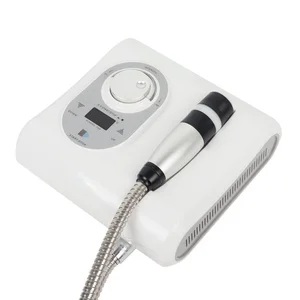
Understanding the operational context of the purchaser is key to effective distribution. Standard aesthetic salons and dermatology clinics require robust clinical equipment with high duty cycles, continuous fan-assisted cooling, and multi-functional interfaces (like our desktop hydro-facial and cryo-electroporation platforms). Conversely, retail distributors and consumer brands require compact, ergonomic home-use devices with clear safety features and simplified interfaces.
To support global markets, devices must include appropriate localized components. We design systems that support variable voltages (110V to 220V) and supply appropriate plug configurations (EU, UK, US, AU, CN) to match local grids without requiring external adaptors. Additionally, we provide localized multi-language control interfaces and customized packaging, helping brands maintain a consistent identity in their target markets.
An inside look at our manufacturing plant, showing the transition from raw materials to finished aesthetic devices under strict quality control.
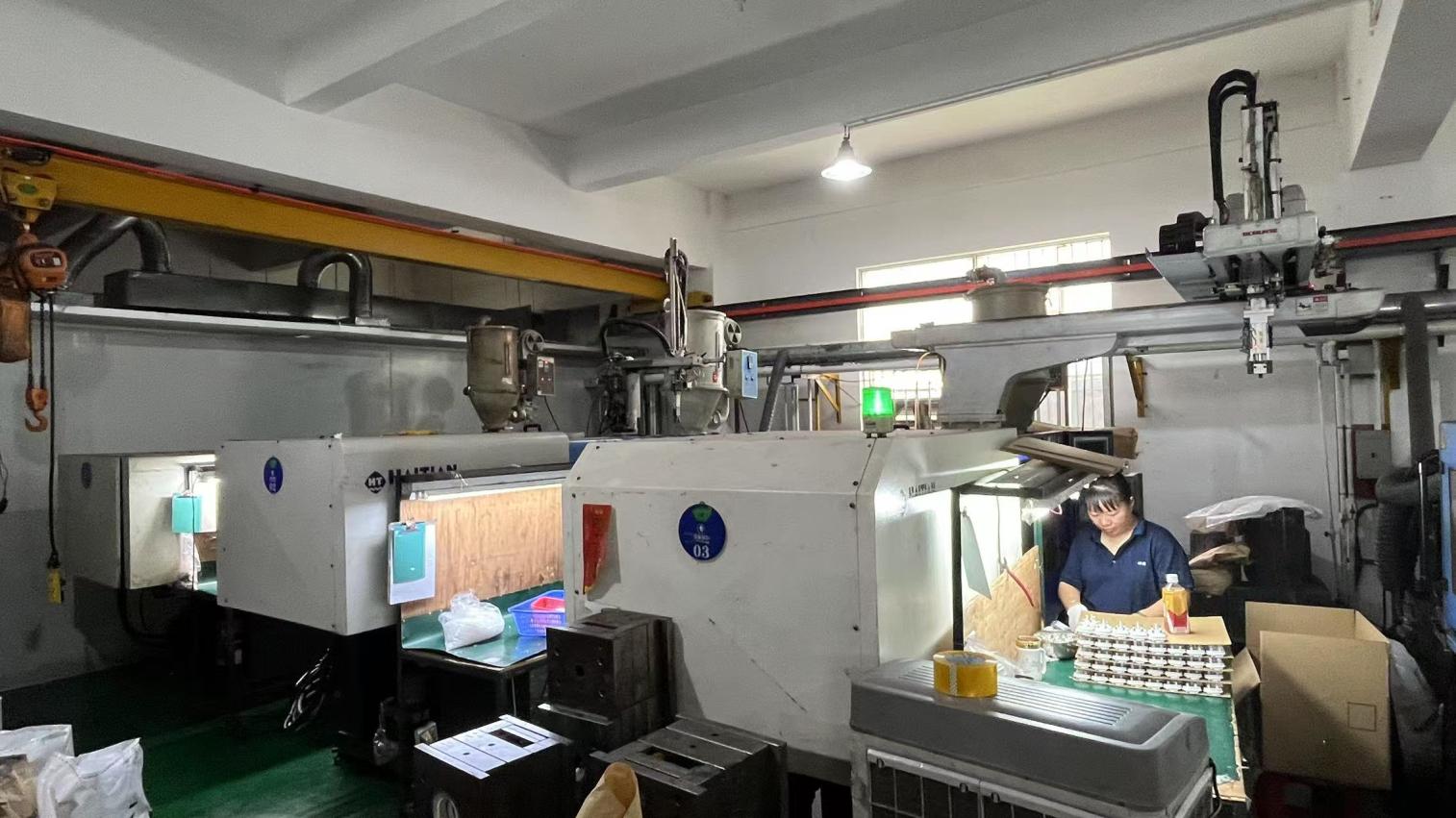
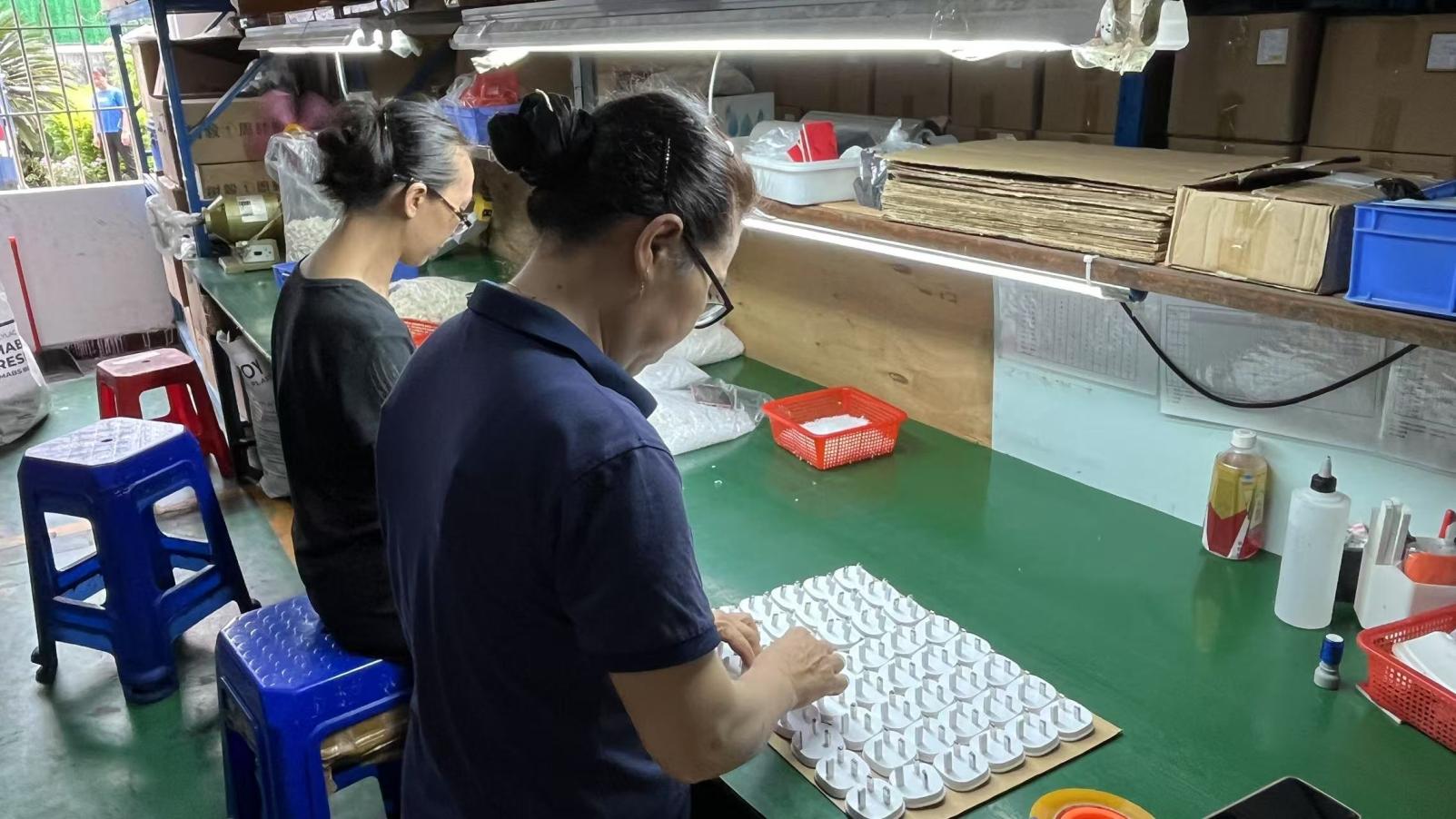
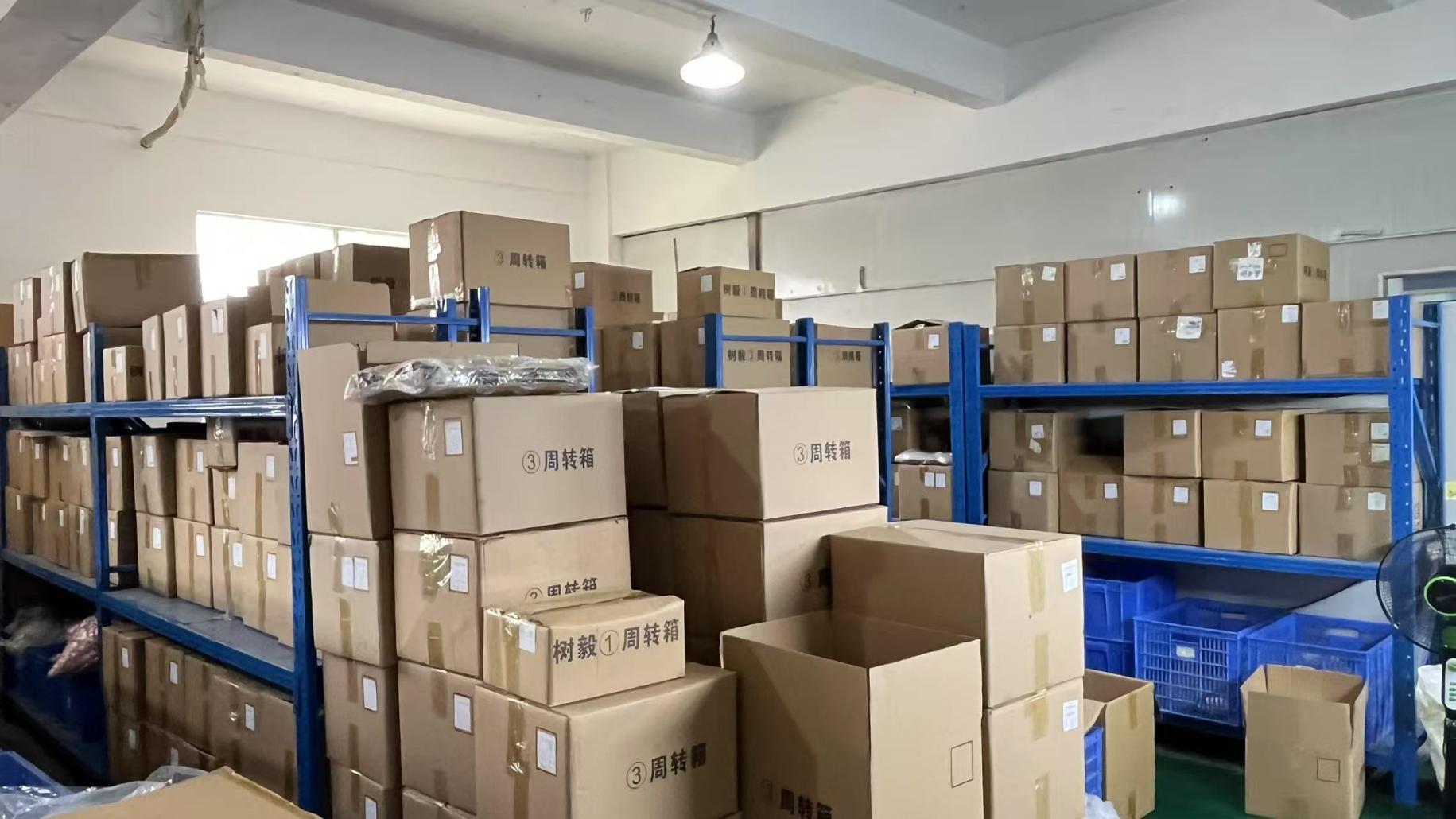
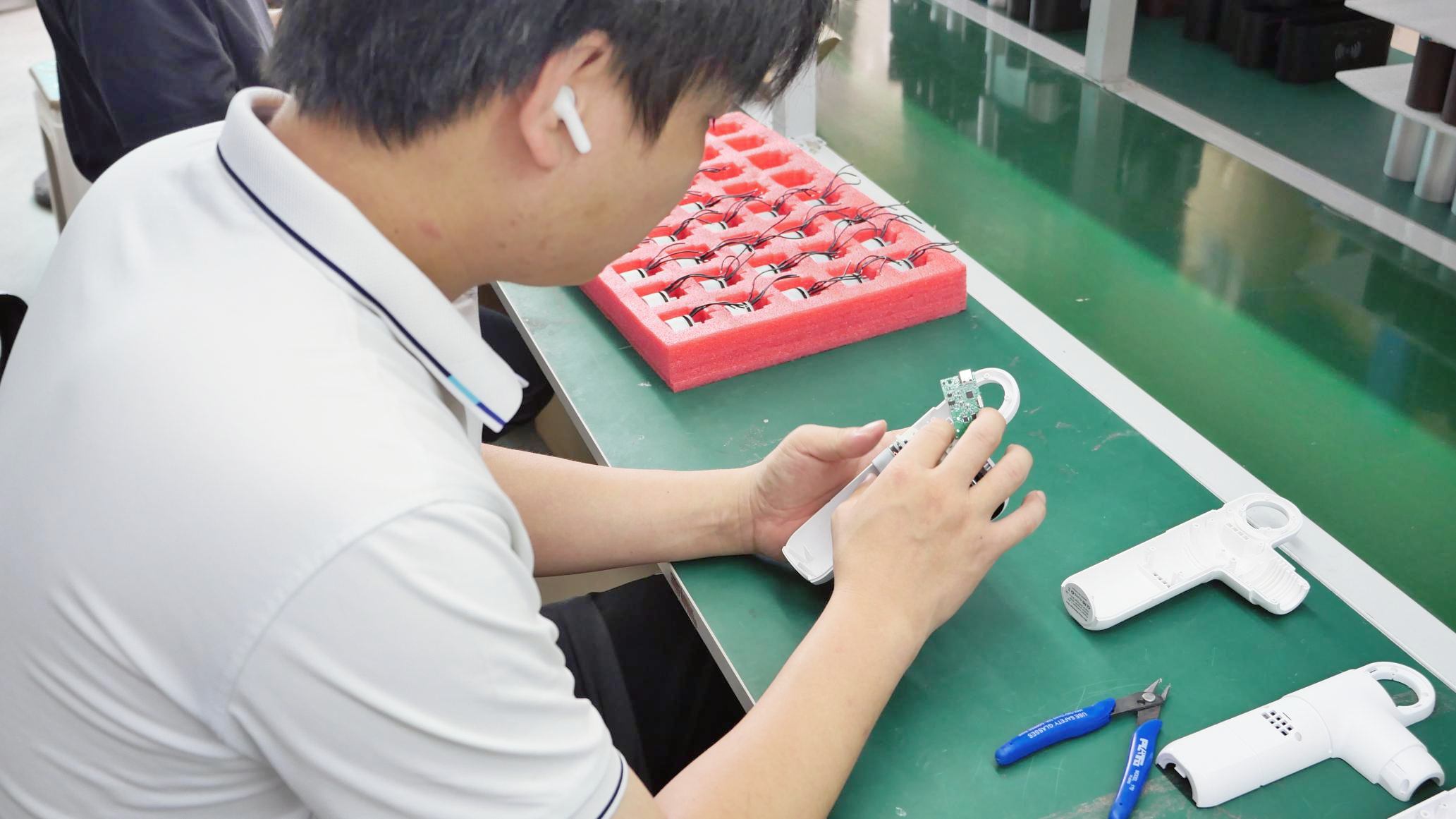
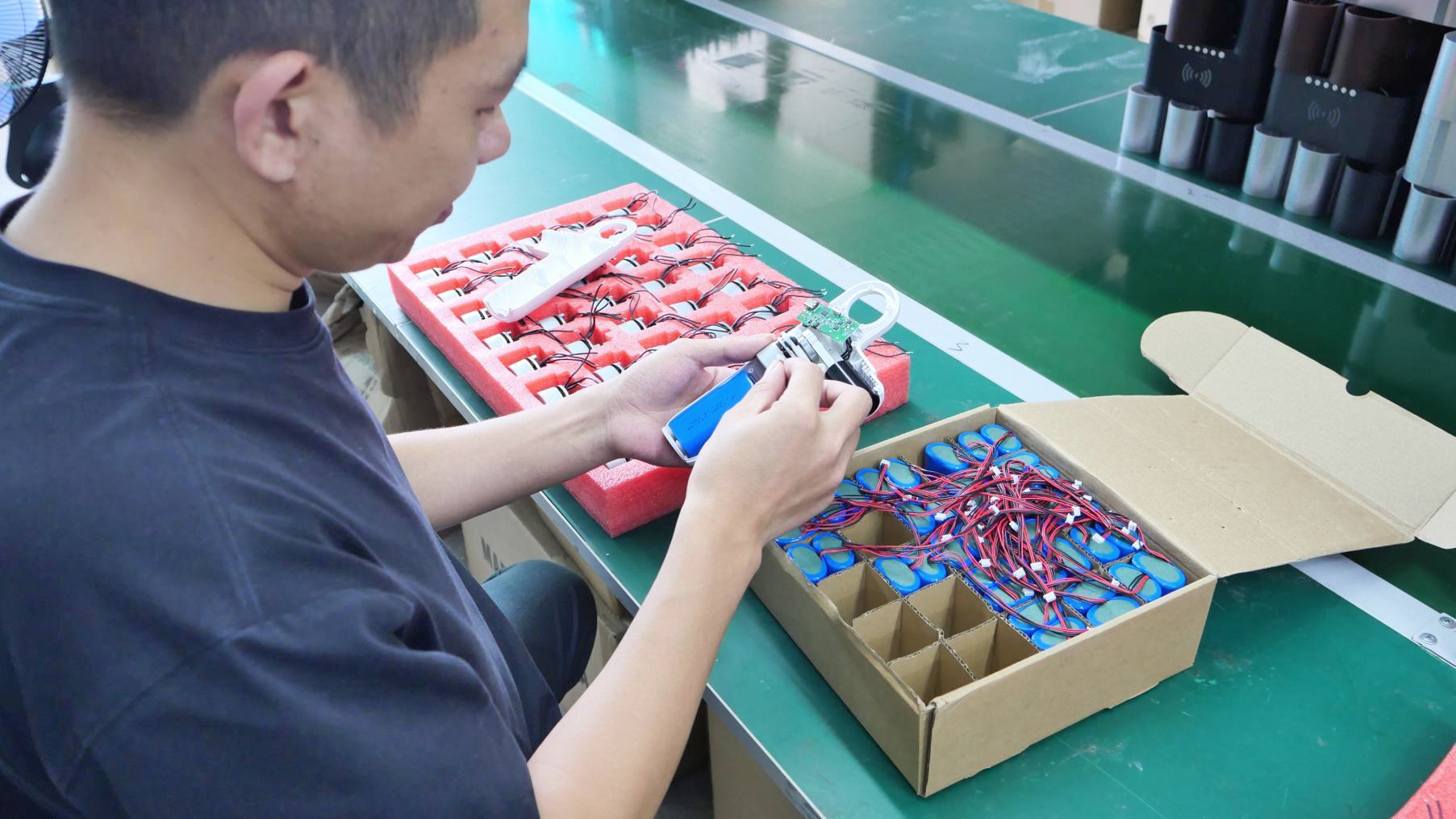
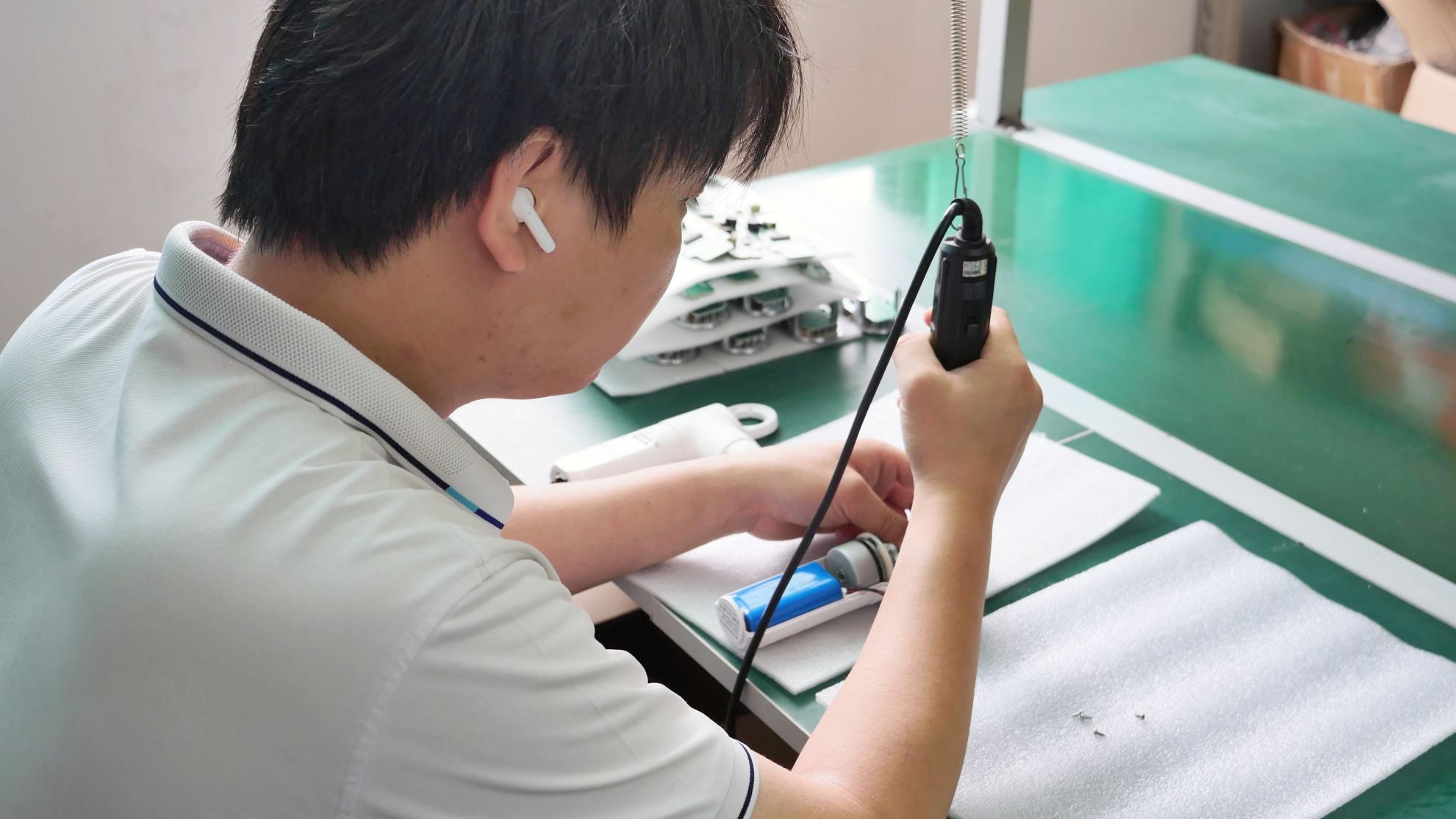
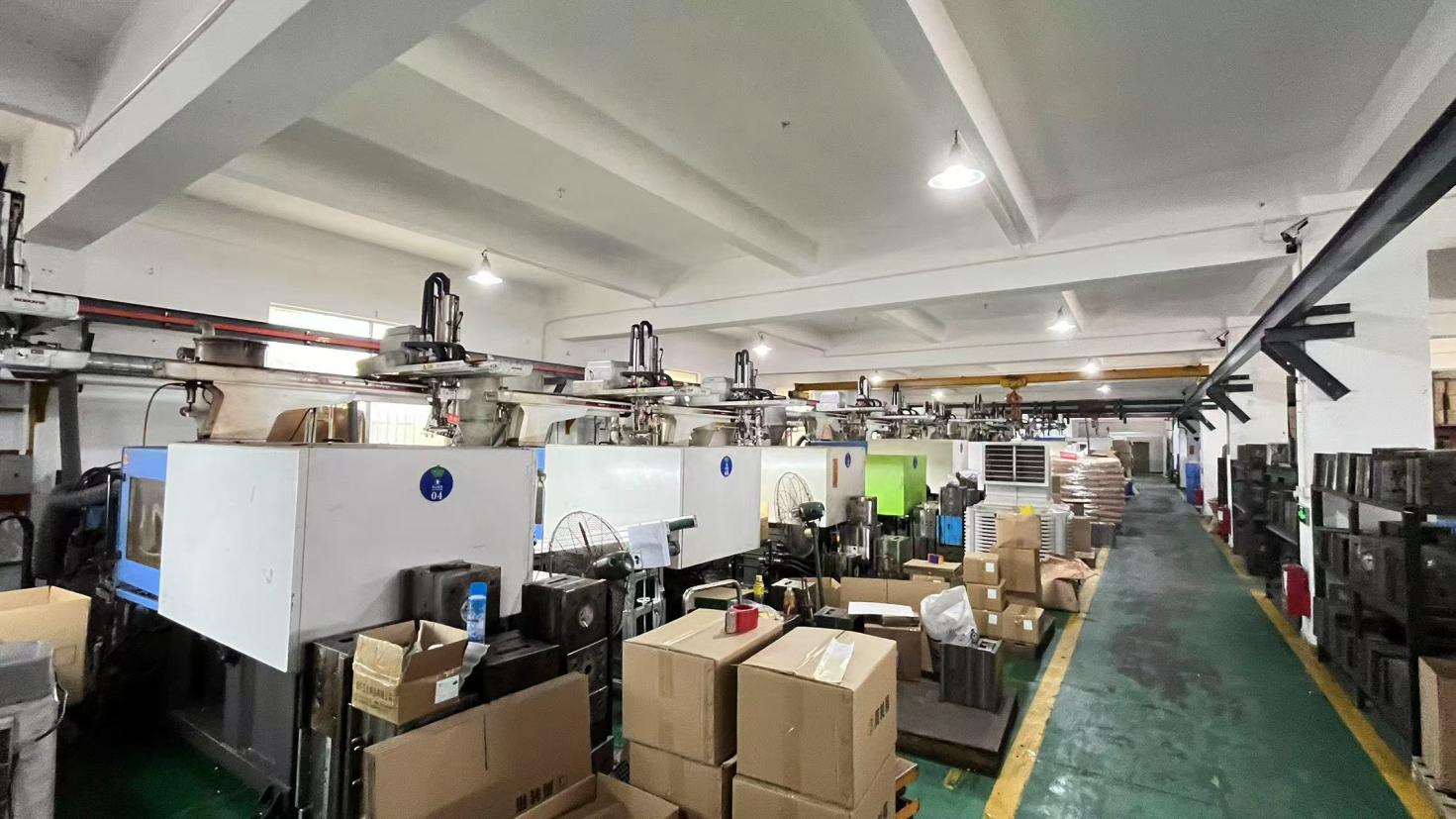
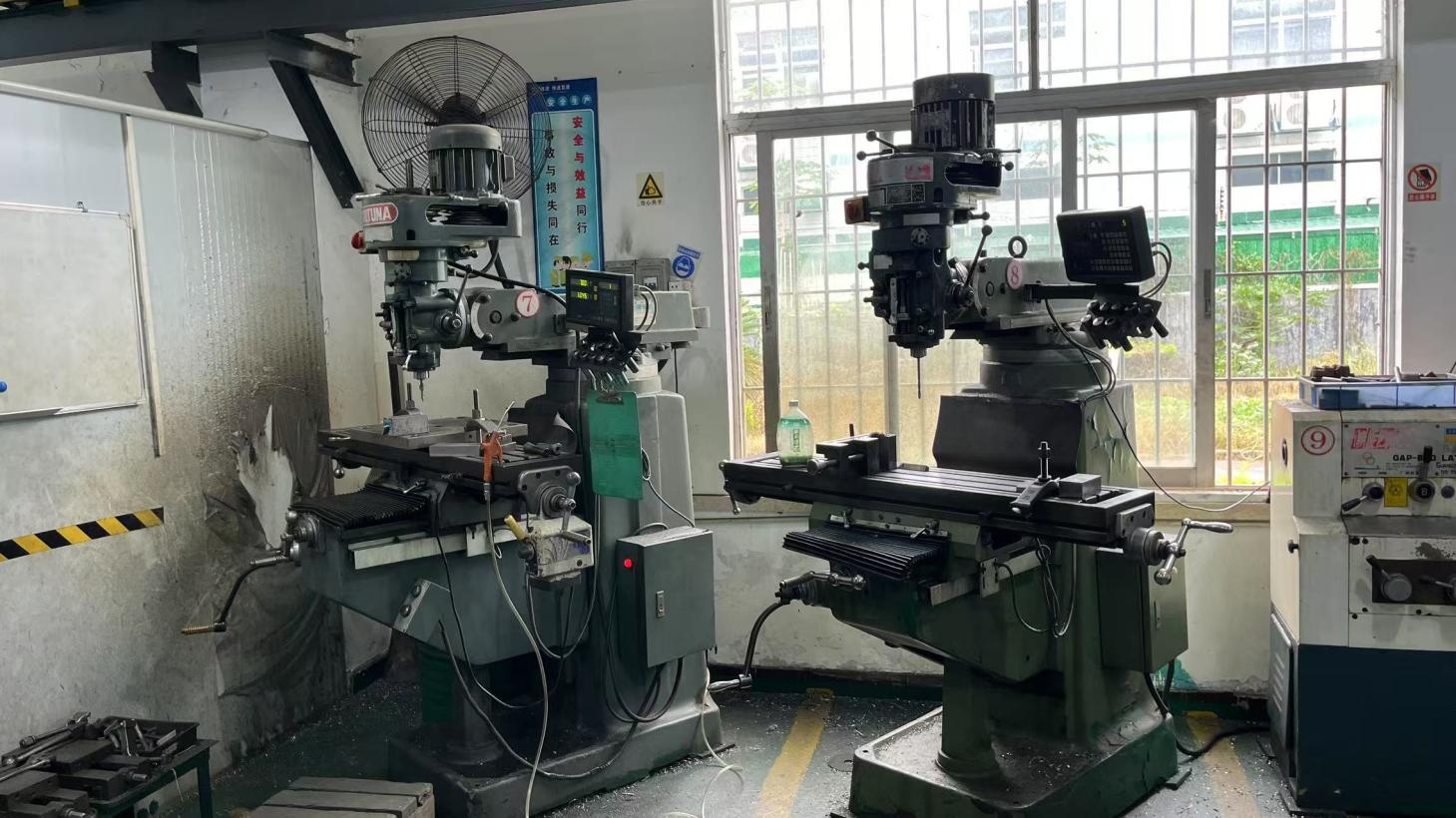
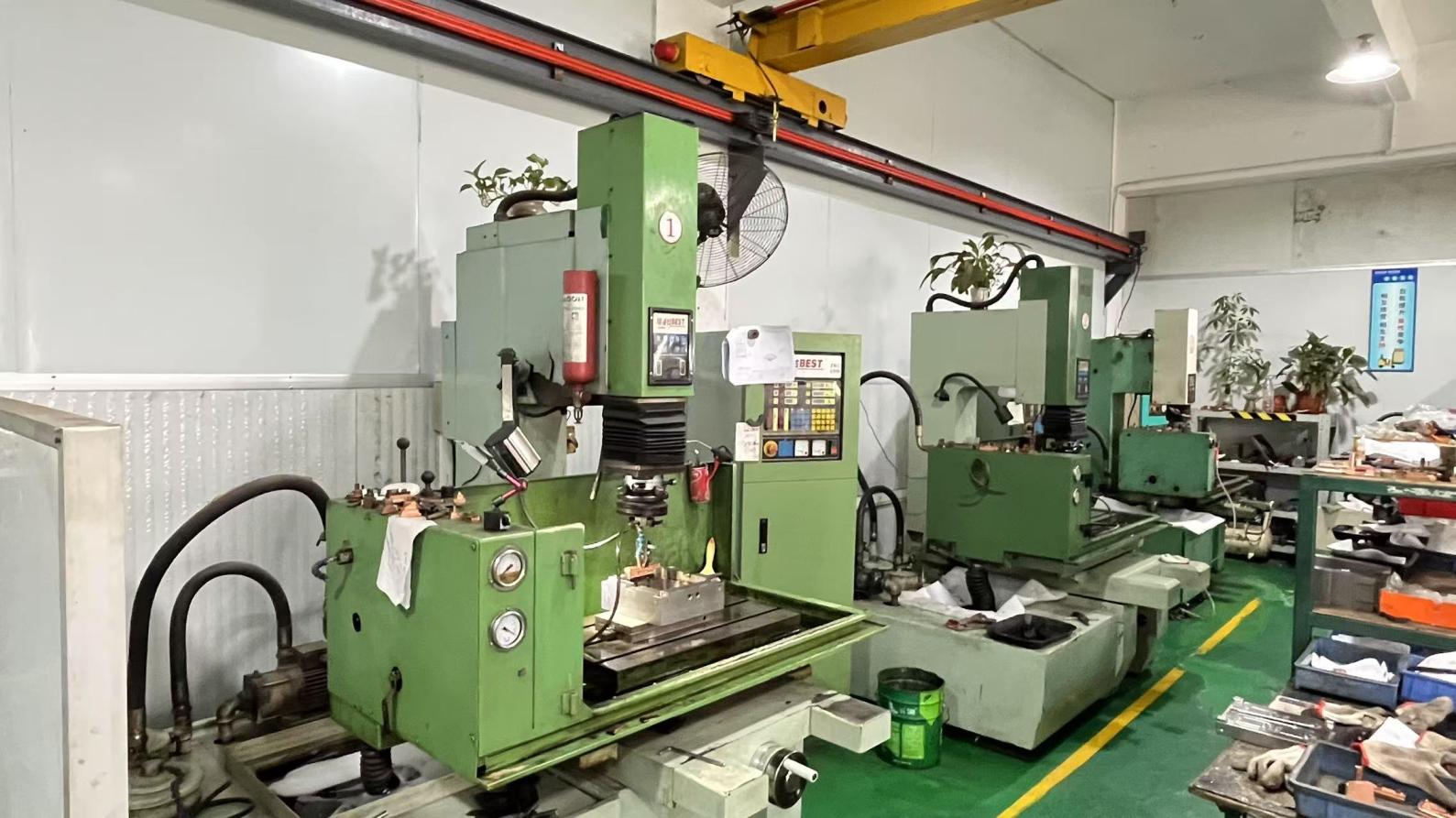
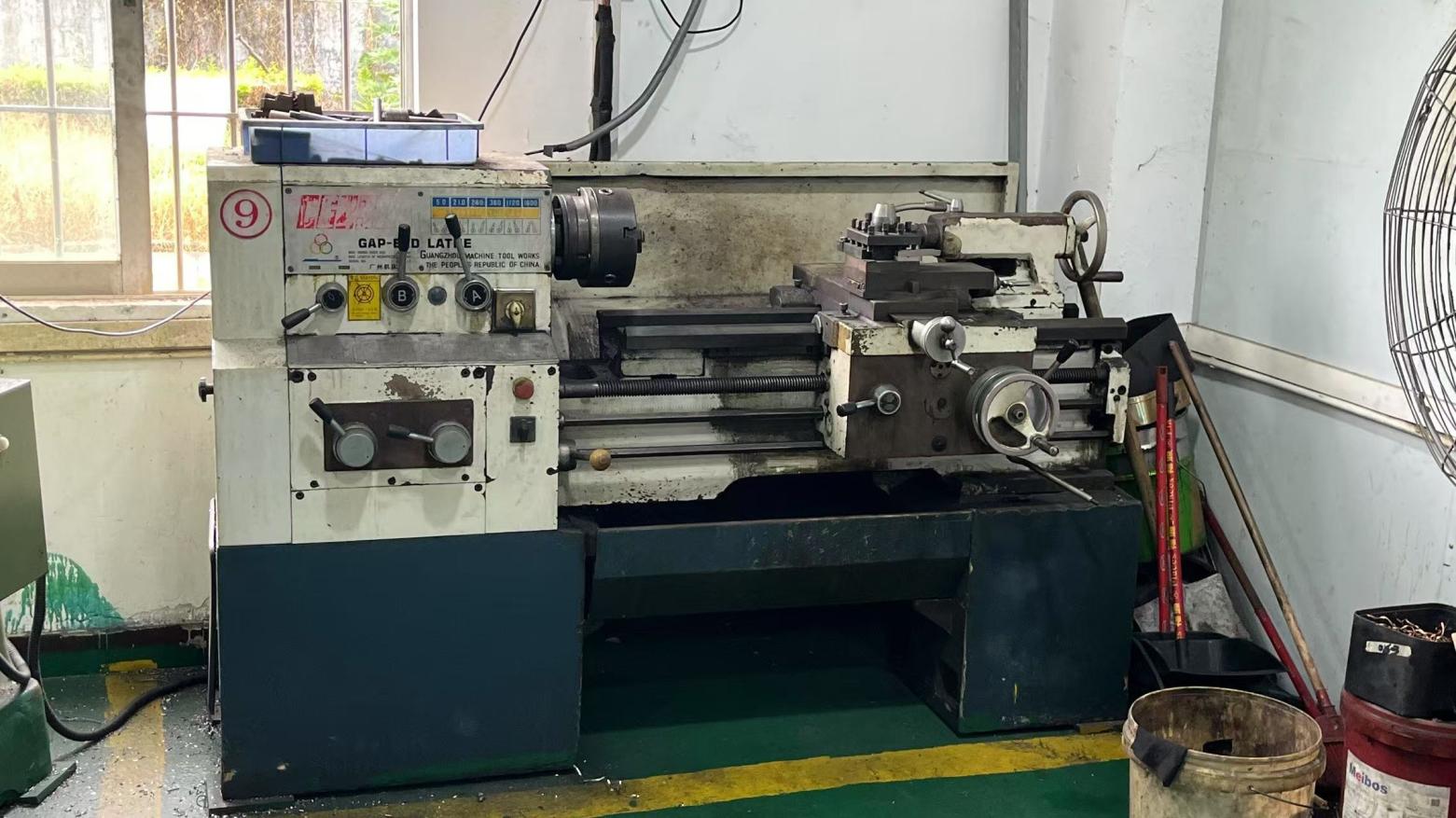
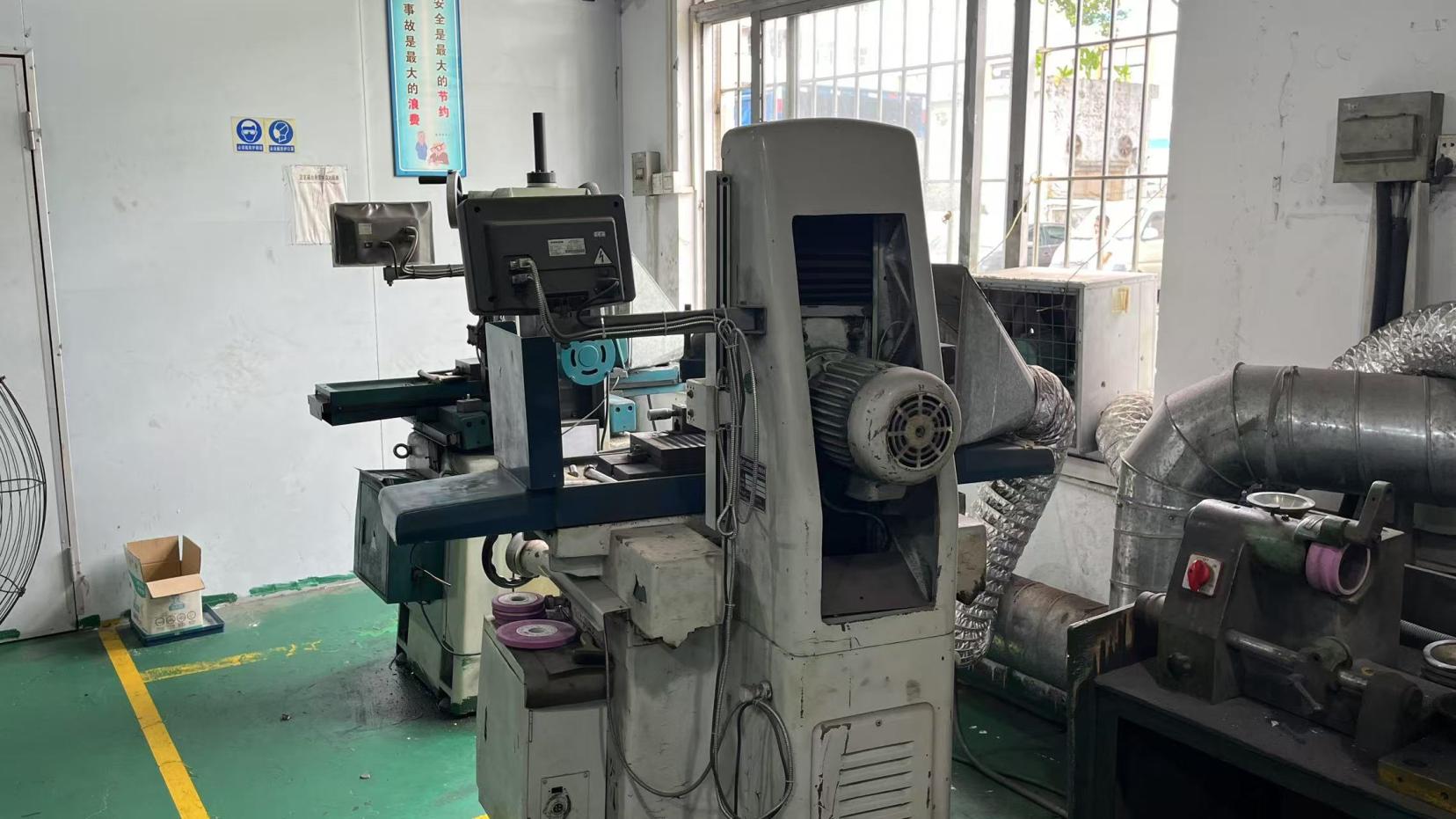
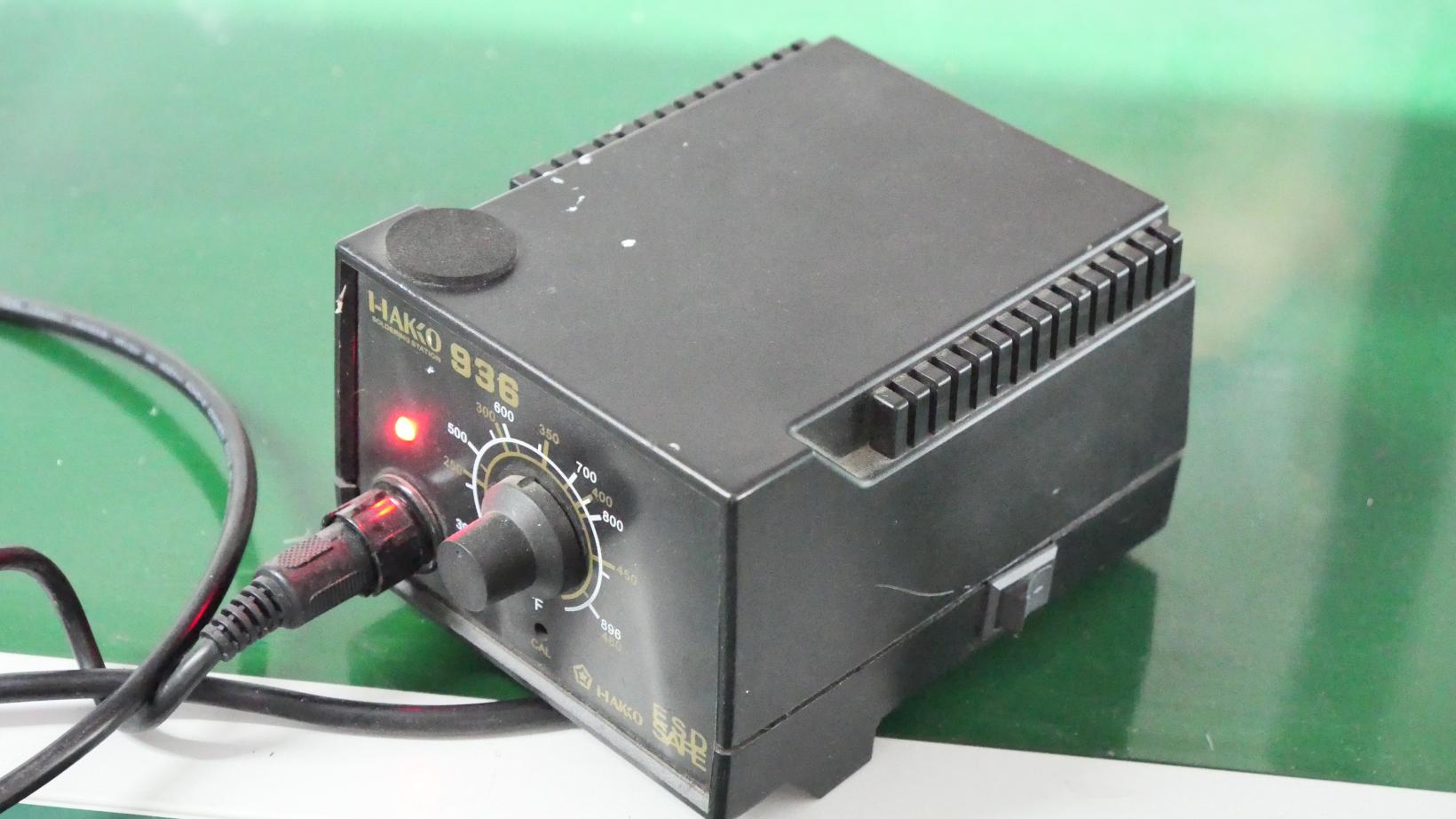
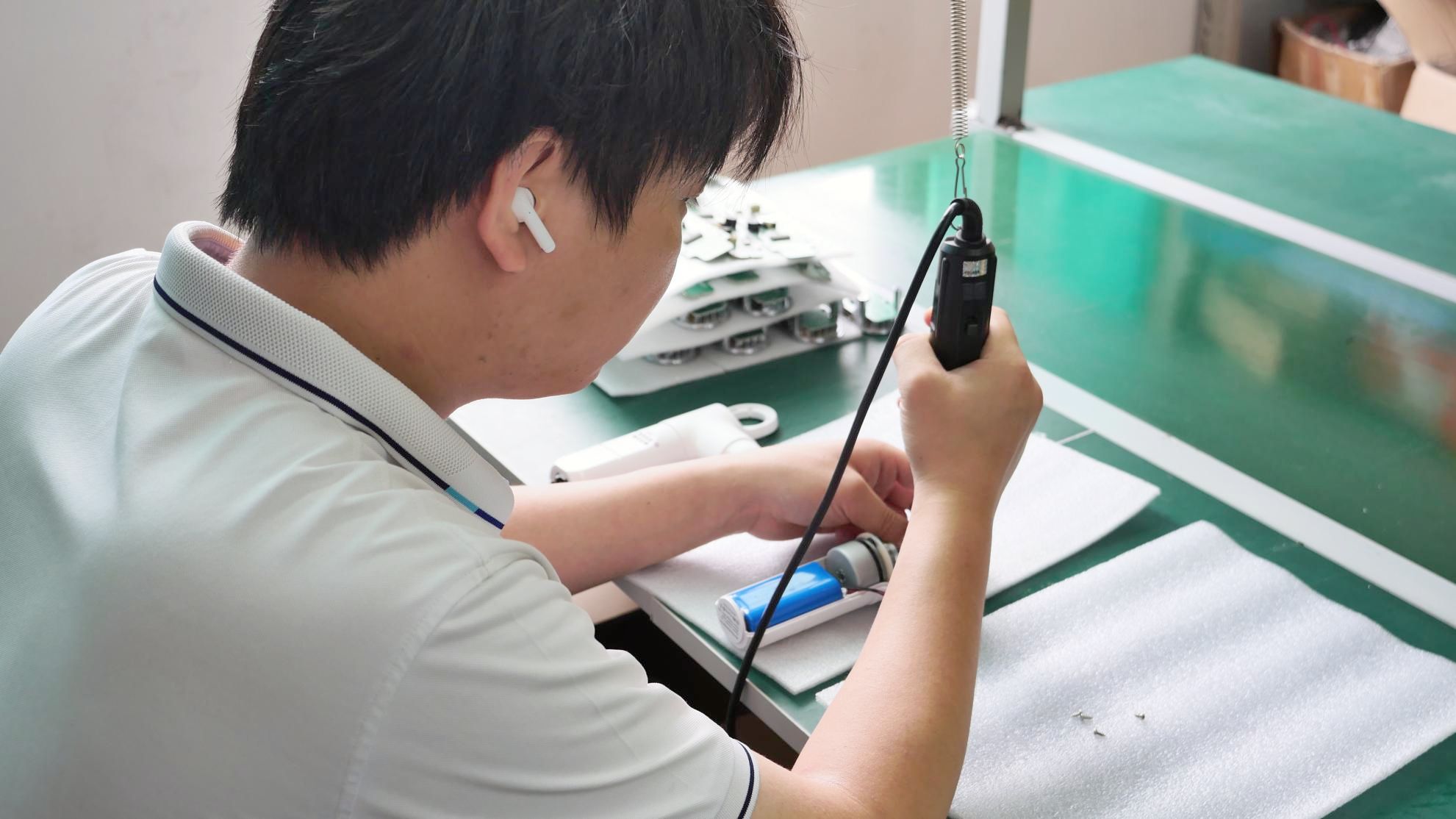
To verify the safety and operational consistency of electrical skin devices, our manufacturing plant enforces comprehensive quality control (QC) procedures. Every piece of equipment undergoes a multi-phase inspection process, starting with incoming component verification. Materials such as bio-compatible silicone and medical-grade stainless steel electrodes are tested to ensure they do not cause contact dermatitis or skin irritation under normal conditions.
Once assembled, the devices are subjected to extended aging tests. For example, our high-frequency wands are tested for voltage stability under continuous load to verify electrode life. Similarly, our RF and Cryotherapy devices undergo thermal imaging to ensure heating and cooling cycles are managed safely. These tests help ensure that units leaving the factory maintain operational consistency throughout their service life.
The global market for facial lifting devices is shifting toward personalized skincare and digital integration. Newer systems incorporate features like impedance feedback, where the device automatically adjusts RF output based on real-time skin resistance. Other developments include IoT connectivity for clinic tracking, and dual-action treatment heads that allow practitioners to combine energy modalities (such as EMS and phototherapy) in a single session.
Luminor Beauty's engineering department is actively developing systems to support these trends. By refining our energy delivery circuits and control interfaces, we seek to provide distributors with modern, competitive, and compliant aesthetic technologies.
Key technical, commercial, and regulatory information to assist distributors, sourcing managers, and brand owners in the decision-making process.
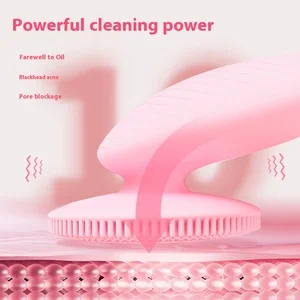
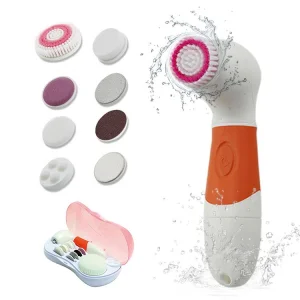
Further options in our product catalog, including microneedling systems, deep cleaning tools, and targeted plasma lifting solutions.
 Luminor Beauty