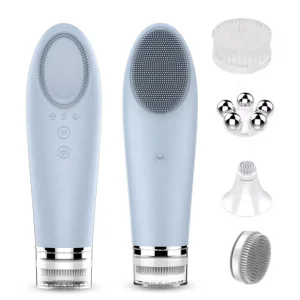
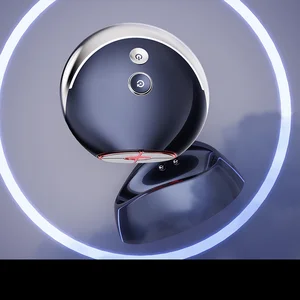
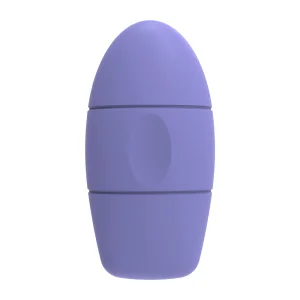
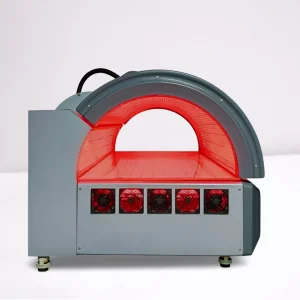
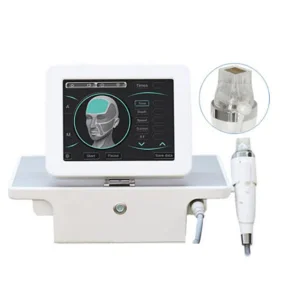
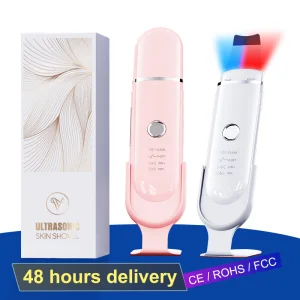
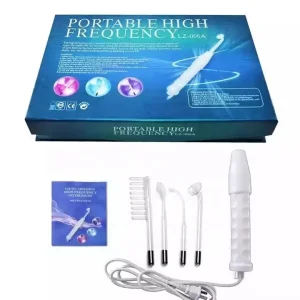
Explore our curated selection of professional and clinical-grade skincare devices, designed to meet the rigorous demands of global B2B buyers and wellness centers.
In the rapidly evolving global cosmetic sector, the integration of sonic technology with topical applications has transitioned from a niche luxury to a mainstream expectation. B2B buyers, cosmetic distributors, and medical beauty spas now search for manufacturers capable of engineering high-frequency sonic mask applicators that offer measurable improvements in skincare formula absorption. This report provides deep insights into the top manufacturers, highlighting technical specifications, supply chain configurations, and future development paths.
Information Gain Insight: While traditional manual application yields an absorption rate of less than 10%, medical studies demonstrate that high-frequency sonic vibrations (ranging between 8,000 to 12,000 VPM) combined with controlled thermal kinetics can increase the transdermal permeability of hydrophilic active ingredients by up to 350%.
Founded over 12 years ago, Guangzhou Luminor Beauty Co., Ltd. stands as a premier example of industrial maturity and innovation in the beauty device space. Integrating R&D, advanced manufacturing, global sales, and after-sales service, Luminor has established itself as an industry leader in both medical-grade aesthetic equipment and home-use beauty devices.
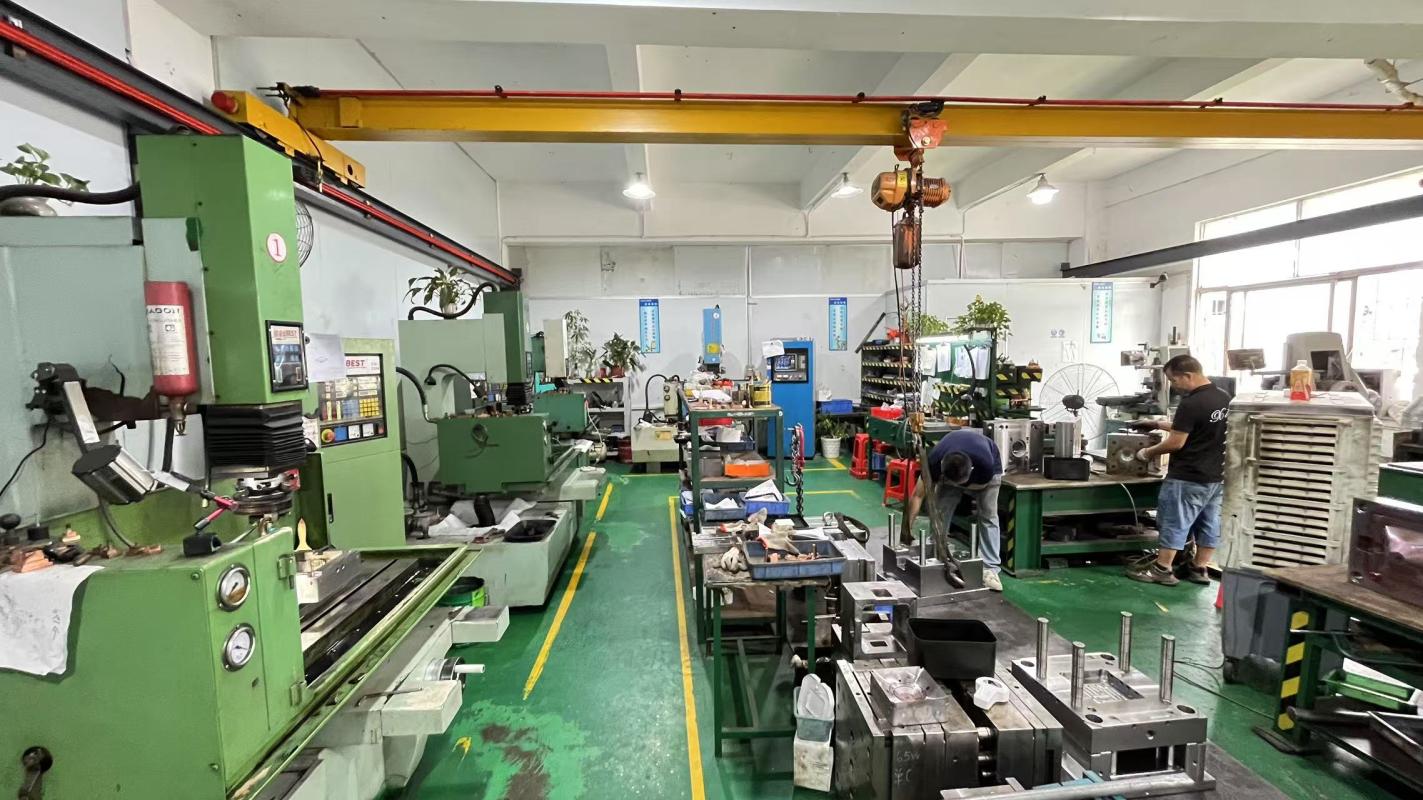
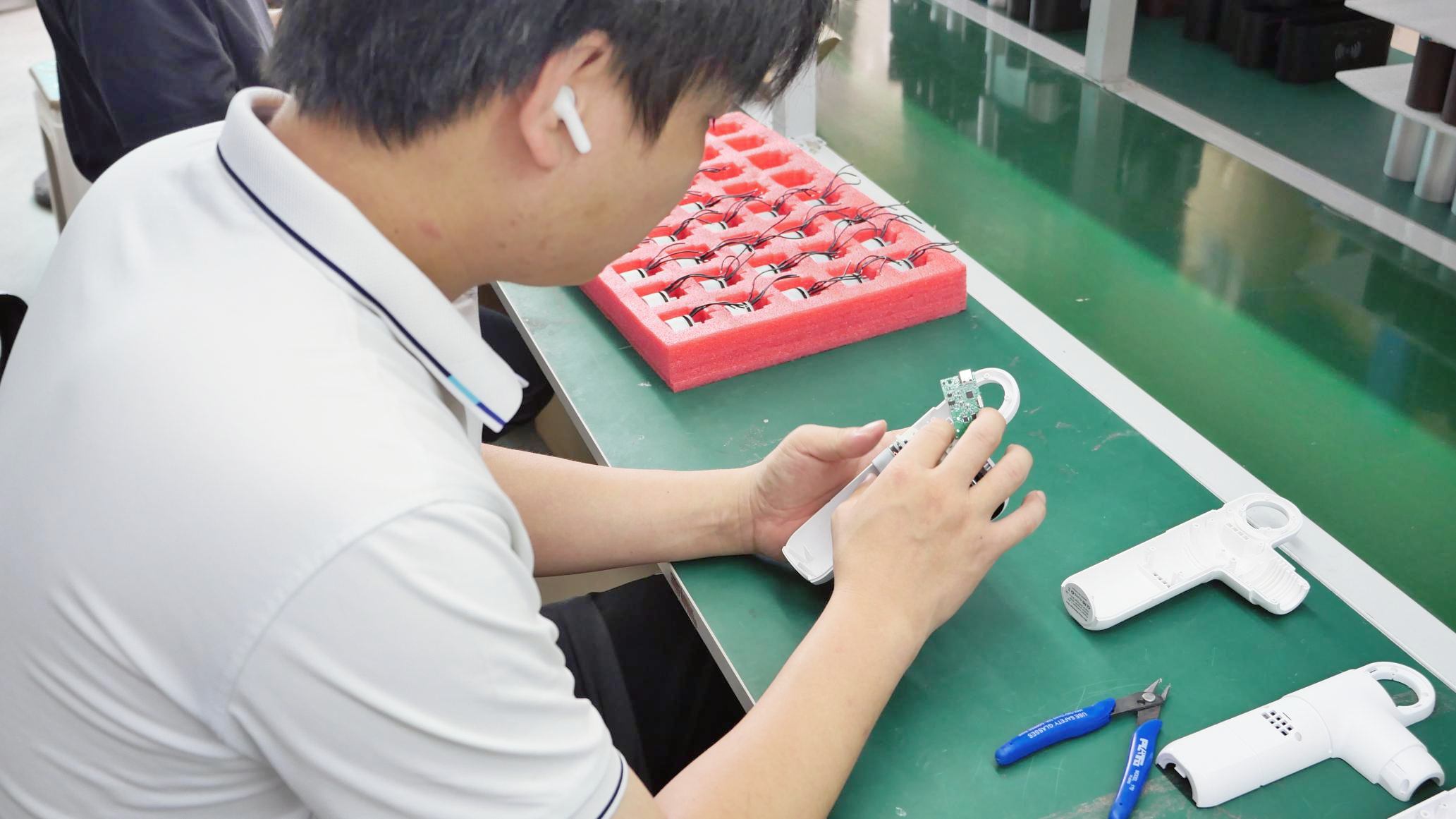
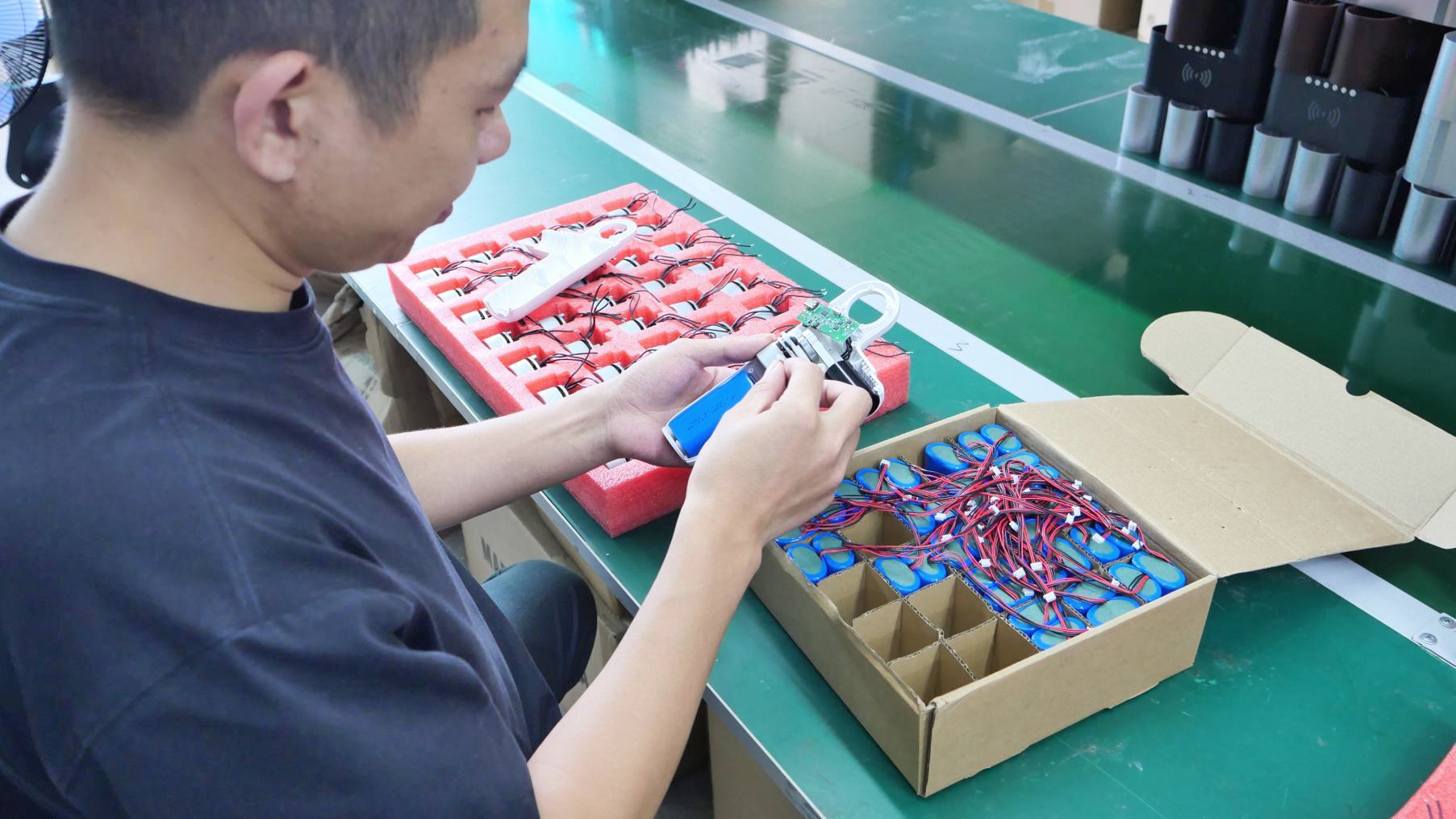
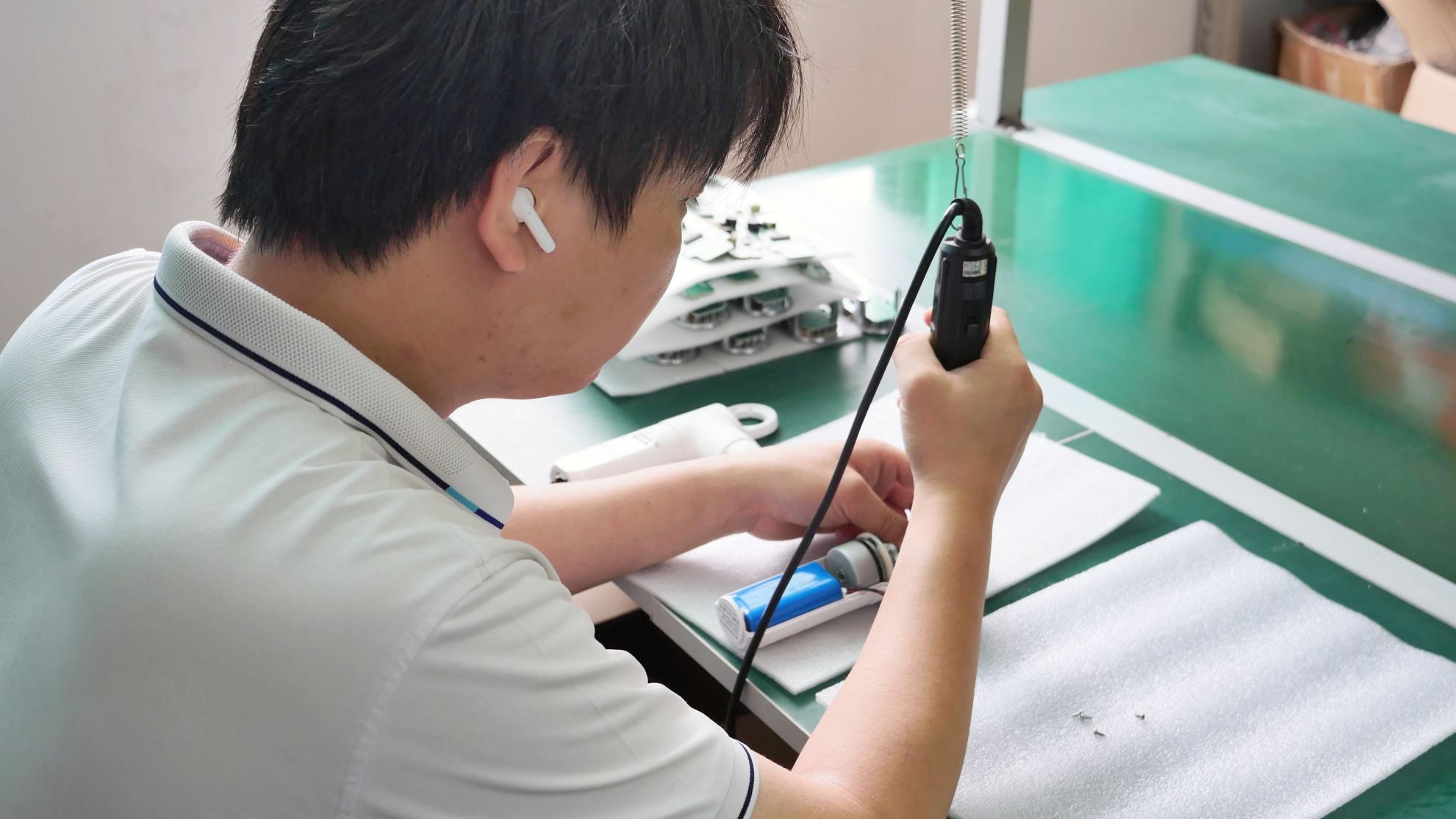
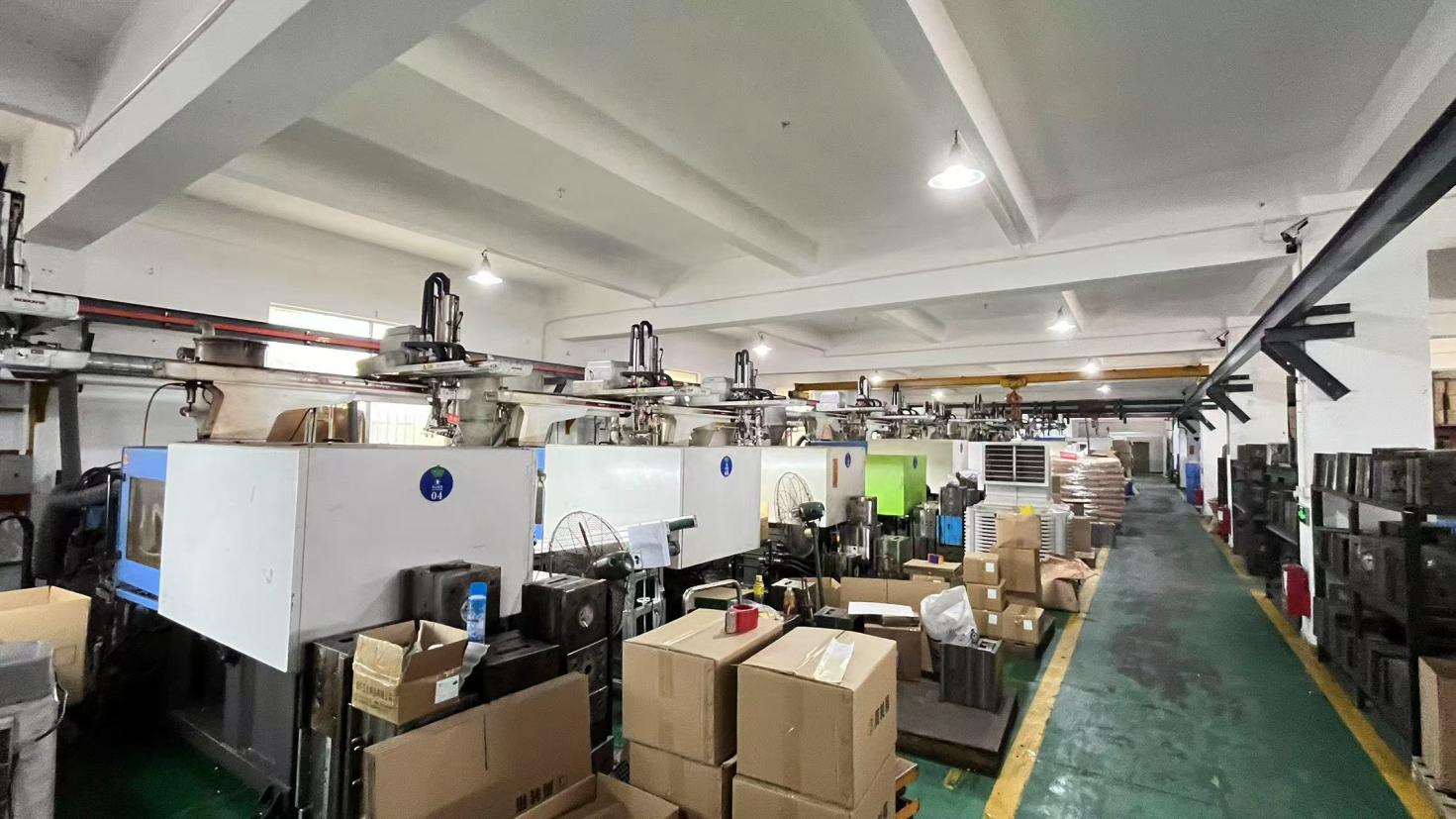
Operating a modern production base covering over 4,000 square meters, Guangzhou Luminor is equipped with 20+ automated and semi-automated production lines. Crucially, the presence of an in-house tooling and mold manufacturing department allows the company to rapidly develop custom cases and mechanical designs, reducing time-to-market for ODM partners by up to 40%. Their technical R&D division features over 20 senior electrical, mechanical, and biomedical engineers who focus on RF, optical, ultrasonic, and thermal skincare breakthroughs.
Leveraging their extensive background in clinical medical beauty machinery, Luminor Beauty has engineered home-use beauty devices featuring smart energy regulation systems, ergonomic shapes, and multi-mode options. These advances make high-frequency sonic skincare accessible to home users around the globe.
The evolution of sonic mask applicators has entered a multi-technology phase. Leading manufacturers are moving away from single-frequency vibrations to embrace multi-physical energy platforms.
Future generations of applicators will feature real-time skin impedance sensors. By measuring the electrical resistance of the stratum corneum, the device dynamically alters its sonic frequency (ranging from 100 Hz to 20,000 Hz) to maximize cavitation effects in localized skincare fluids.
Leading-edge designs integrate far-infrared heating, microcurrents (EMS), and high-intensity LED light therapy (e.g., 633nm red light and 415nm blue light) directly into the sonic applicator. This allows users to tackle aging, acne, and dehydration simultaneously.
Addressing environmental regulations, R&D is focusing on biodegradable or fully recyclable food-grade silicones. These materials retain standard antimicrobial properties and remain biocompatible, minimizing risk to sensitive skin.
Building a successful beauty device brand requires more than off-the-shelf sourcing. Leading manufacturers provide end-to-end B2B solutions that lower development risk and ensure consistency at scale.
Top factories offer comprehensive design services, including ID design, structural engineering, PCB routing, and software firmware development. This ensures that the final product matches the brand's look and feel while meeting target performance metrics.
Understanding retail-ready demands, top-tier plants provide integrated packaging solutions, customized inserts, anti-counterfeit labels, and international shipping support, ensuring products arrive safely at global distribution centers.
For advanced clinical applicators, production is conducted in Class 100,000 cleanrooms. This prevents dust and microscopic particles from contaminating sensitive optics and internal sensors, ensuring long-term product reliability.
The Pearl River Delta, centered around Guangzhou and Shenzhen, remains the global center for beauty device manufacturing. By adopting Factory 4.0 principles, modern Chinese manufacturers maintain an unmatched competitive edge.
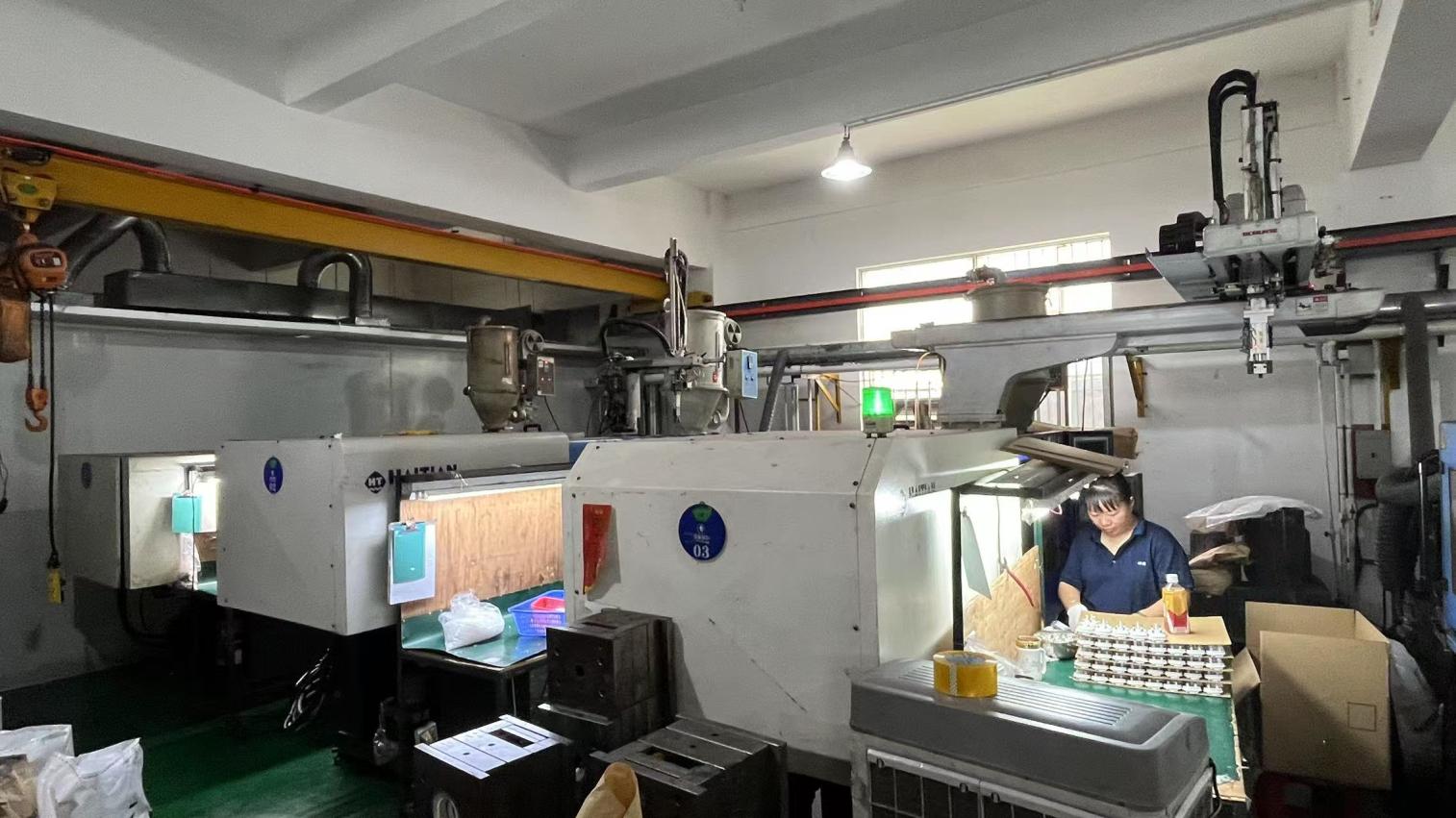
Chinese hubs place mold fabrication facilities, plastic injection plants, SMT patch lines, and assembly workshops within a 2-hour logistics circle. This geographic concentration minimizes shipping delays and speeds up protoype feedback.
Modern factories utilize ERP and MES software tracking systems. Every critical component, from the Li-ion battery to the sonic motor, is laser-etched with a unique matrix code, allowing for full tracking throughout the product lifecycle.
Advanced automation, combined with skilled technicians, allows factories to offering lower MOQs on customized colors, textures, and software profiles without driving up unit costs.
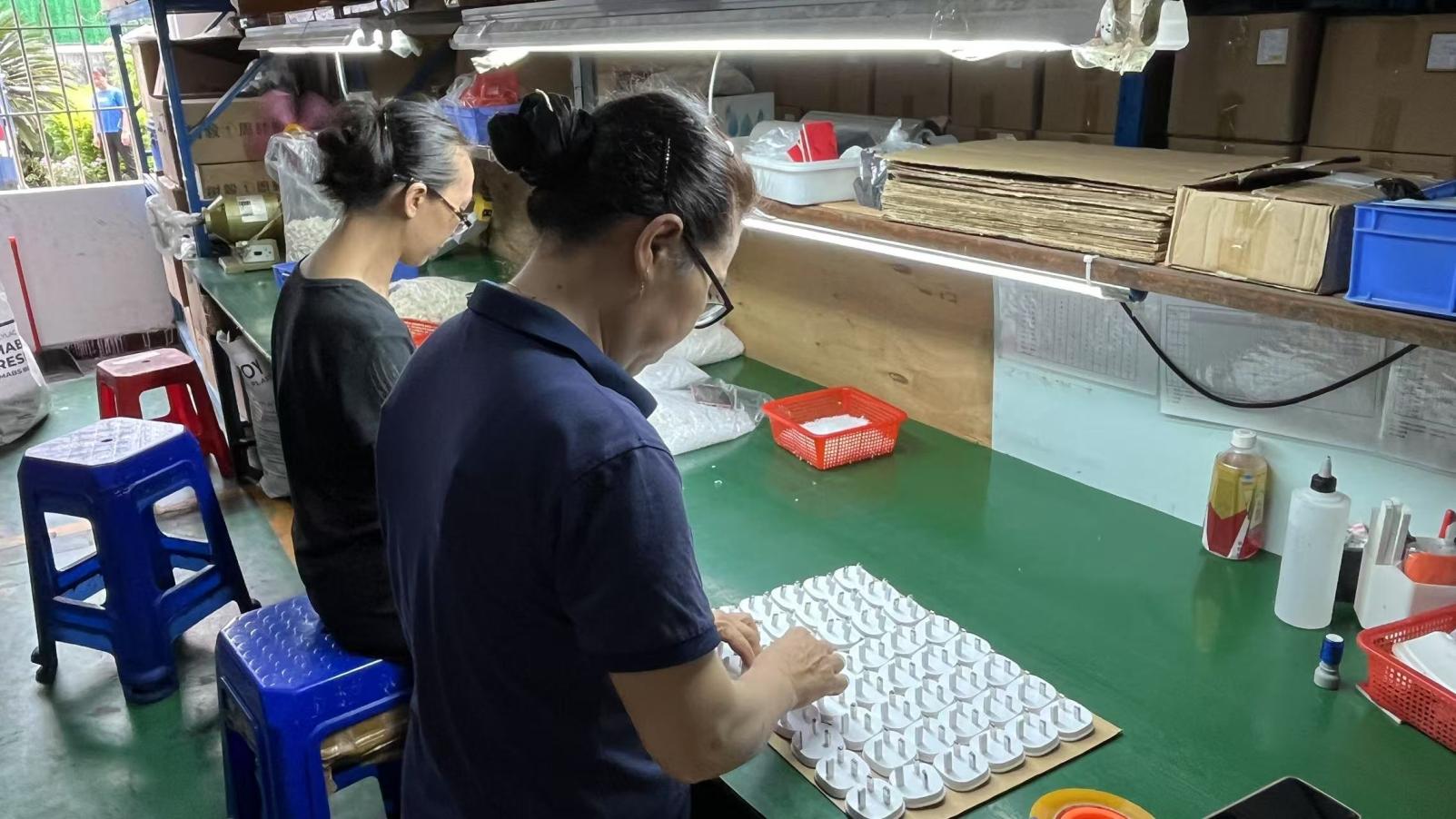
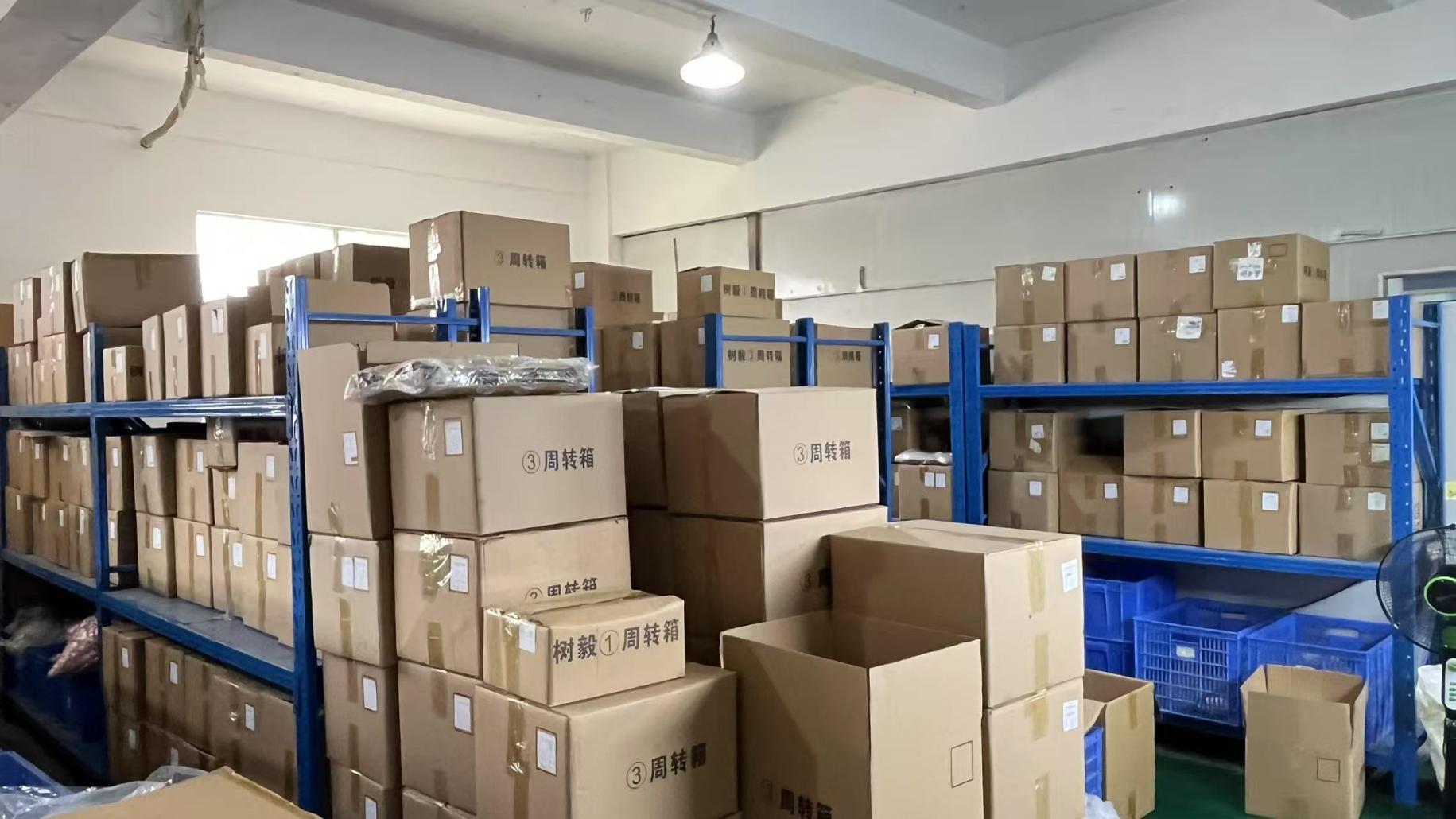
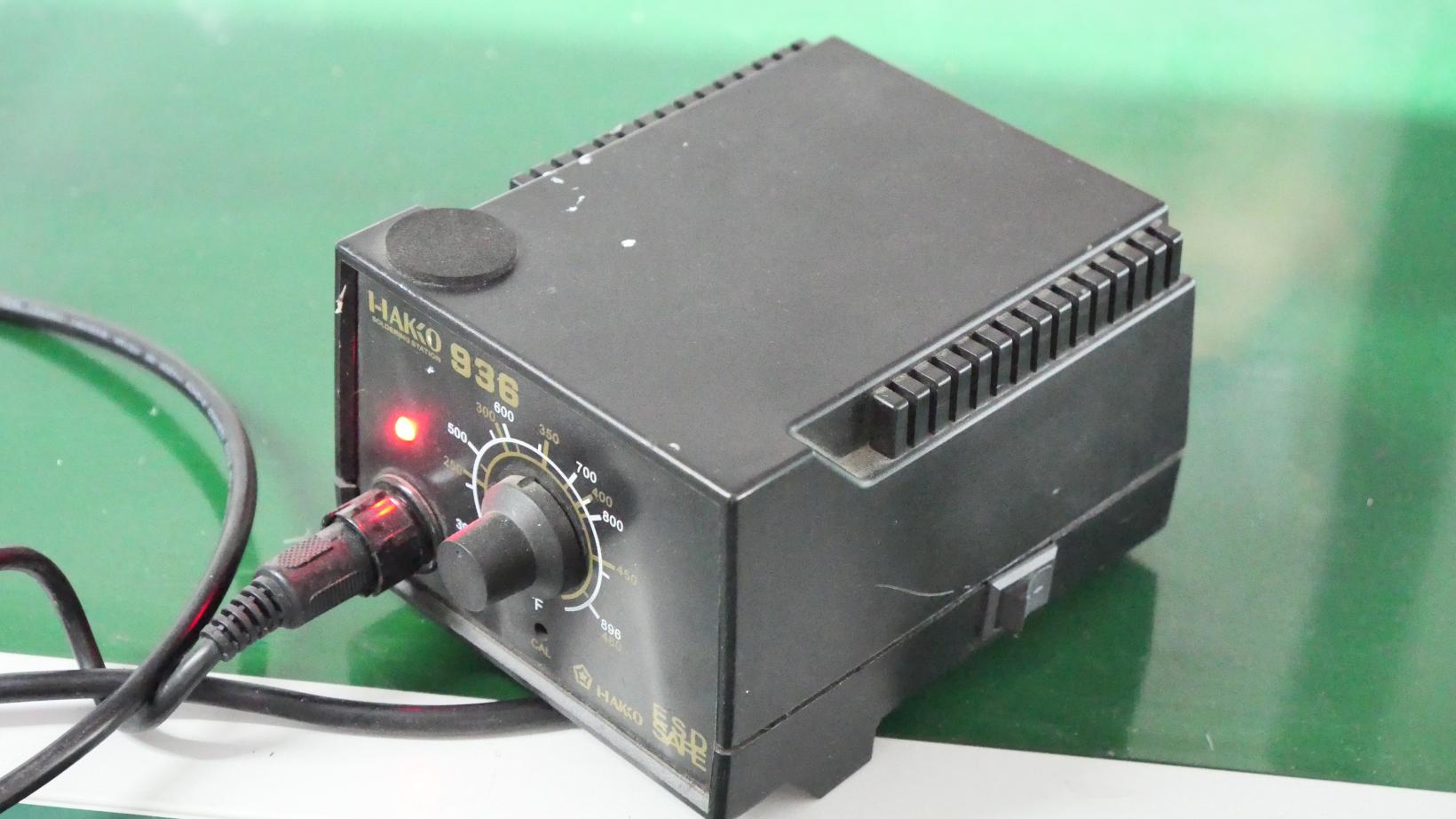
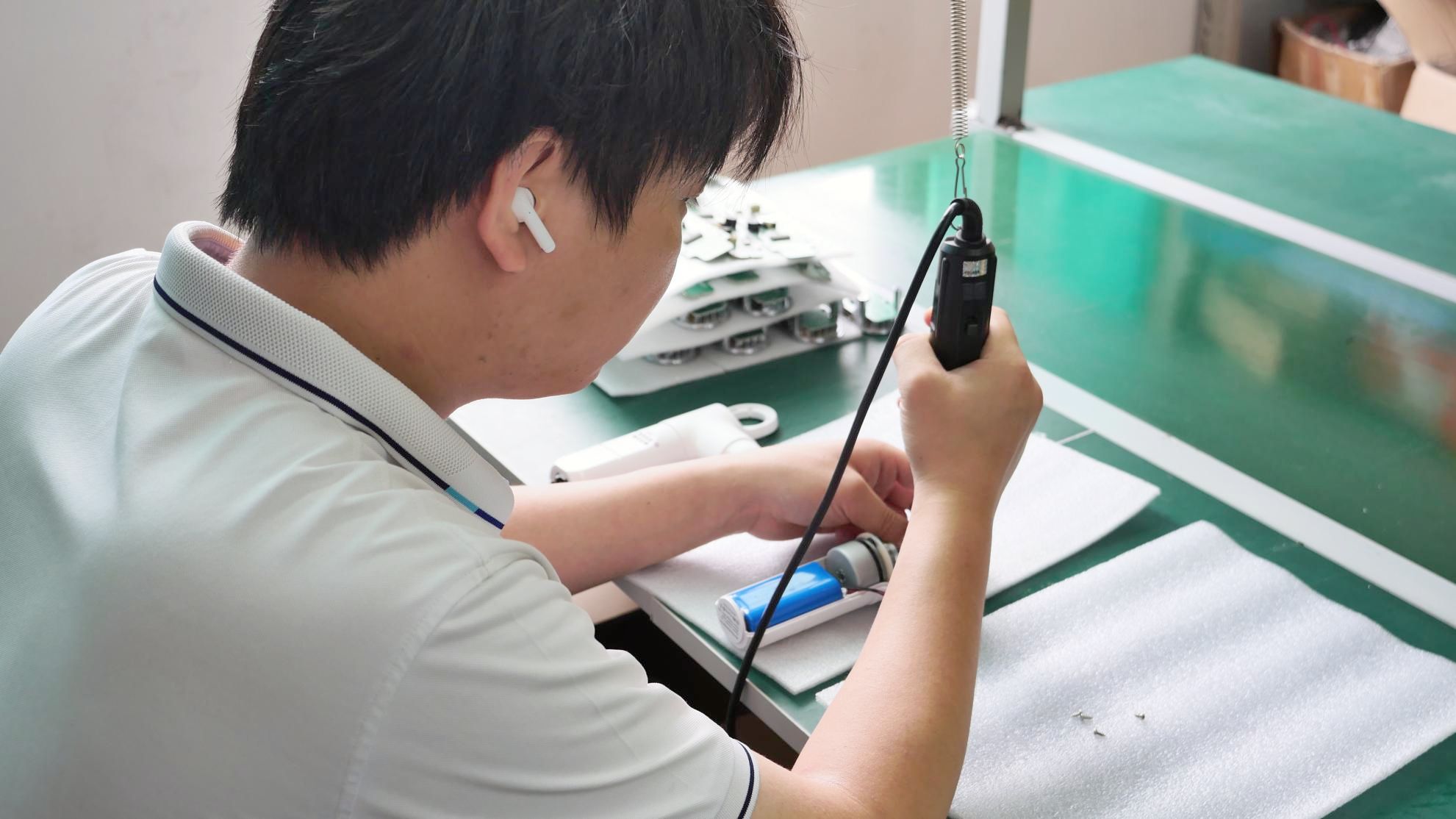
High-performance beauty devices require precision machinery and strict quality control. Here is a look at the key manufacturing steps within Luminor's production facility.
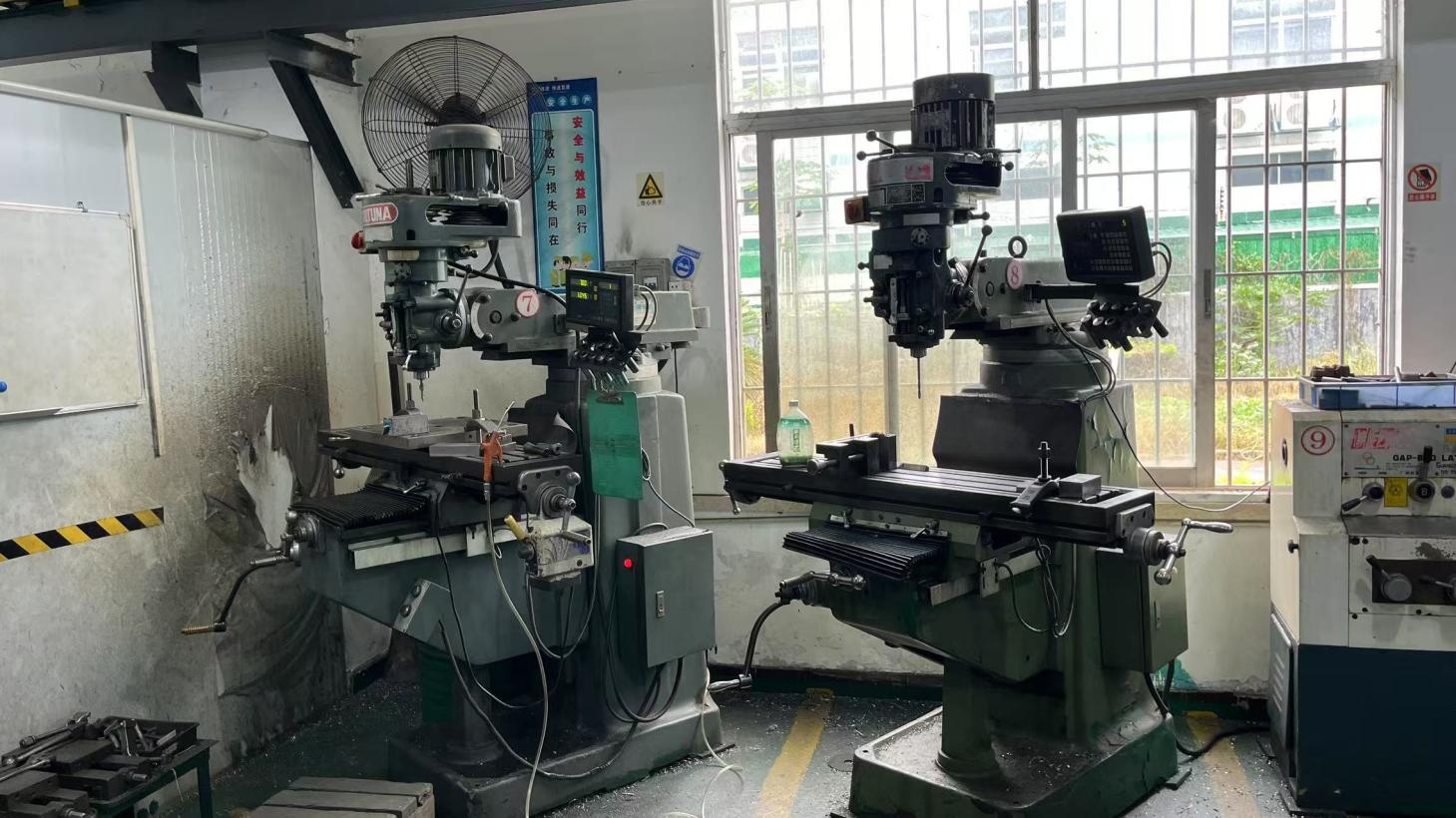
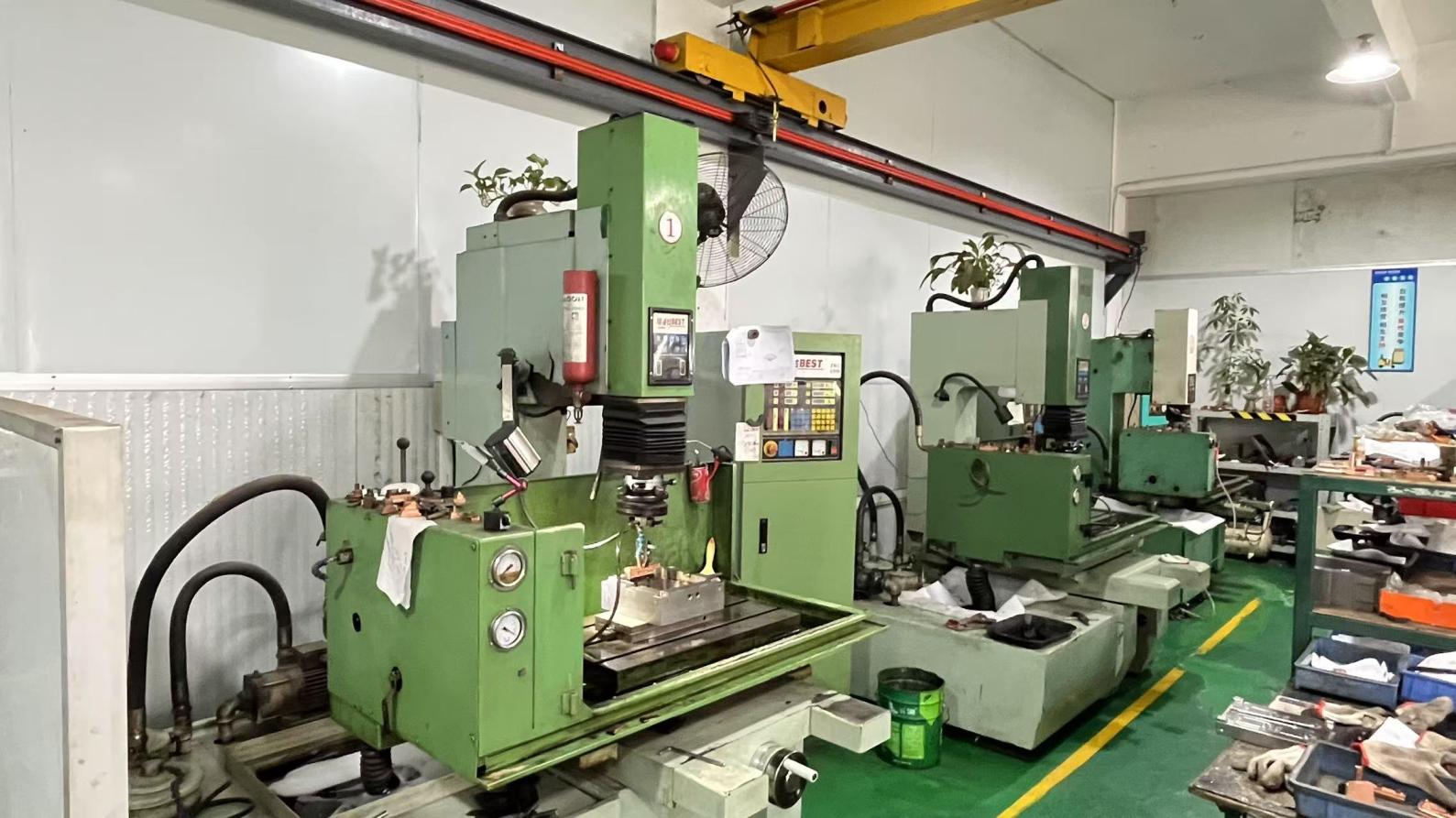
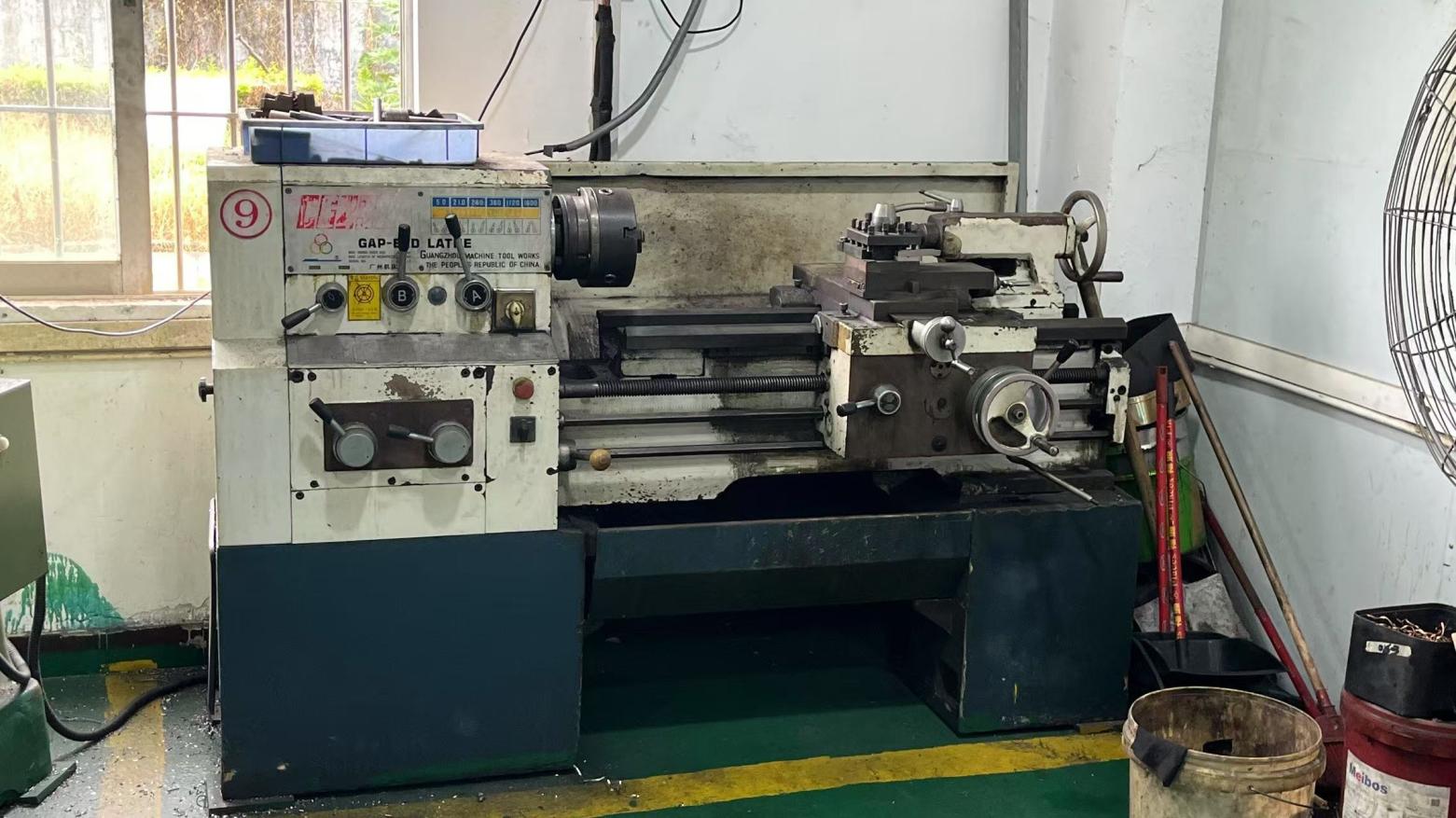
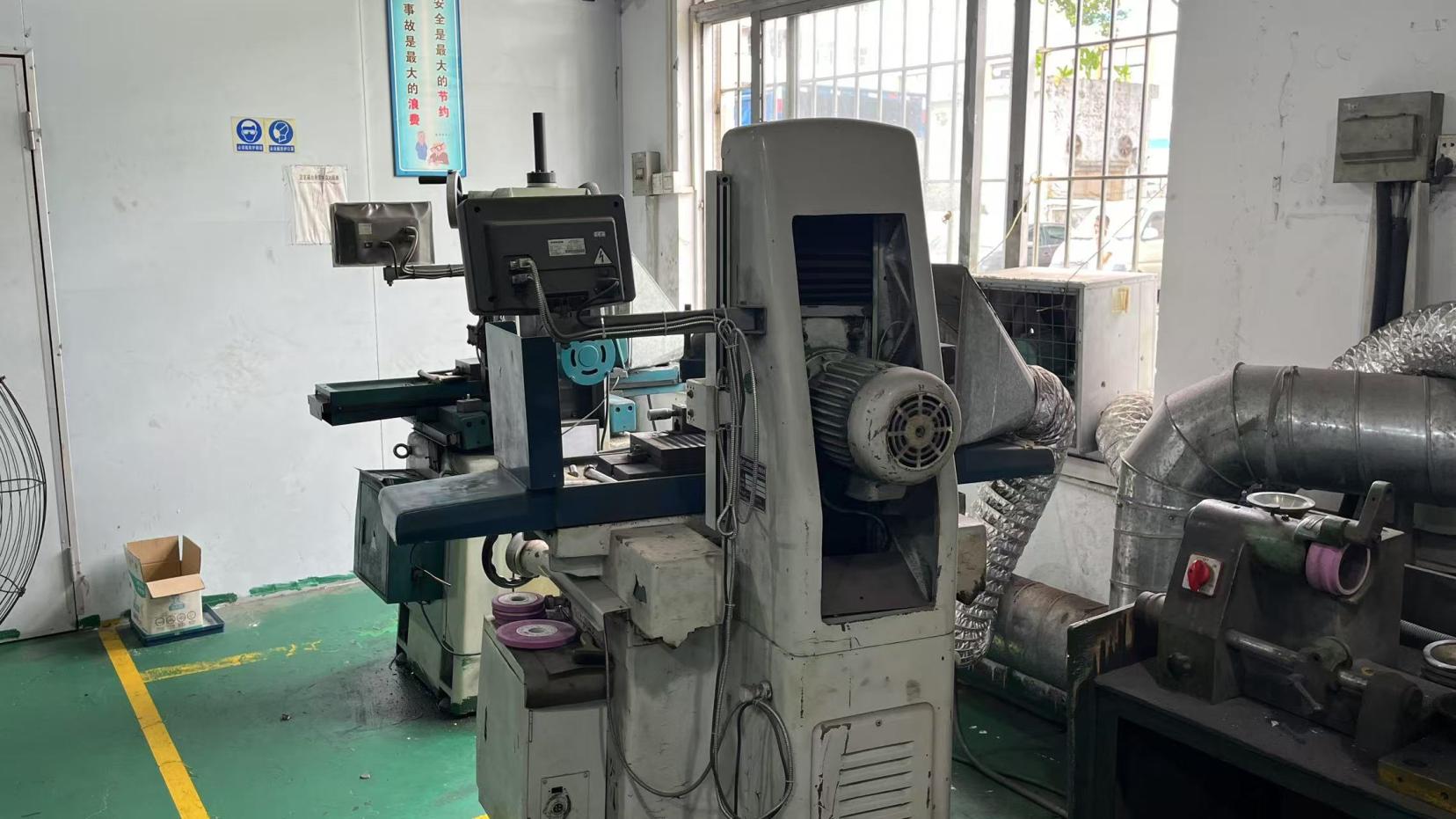
Entering heavily regulated global markets requires strict compliance with domestic and international safety standards. Working with a manufacturer that lacks proper certification can result in customs delays or product recalls.
Top-tier factories maintain compliance with CE, RoHS, FCC, FDA registration, and KC certificates, helping partners clear customs and regulatory hurdles without delays.
Because applicators come into direct contact with the skin, top manufacturers run raw silicone materials through cytotoxicity, skin irritation, and sensitization testing to guarantee user safety.
Given that these devices are regularly washed, reliable factories use structural sealing rings and ultrasonic welding to achieve IPX7 waterproof ratings, extending the lifetime of the electronics.
Professional B2B buyers use structured evaluation criteria when selecting sonic mask applicator suppliers. Understanding these benchmarks helps streamline the sourcing and auditing process:
Verification of ISO 9001 and ISO 13485 (Medical Devices Quality Management Systems) certifications. This guarantees that every step of the manufacturing process follows strict operational procedures.
Procurement teams require verifiable MSDS (Material Safety Data Sheets) and RoHS declarations for silicones, adhesives, plastics, and internal lithium-ion batteries.
Factories must demonstrate monthly production capacities of at least 100,000 units to handle large seasonal orders, with defect rates held below 0.2%.
Get answers to common technical, regulatory, and commercial questions regarding sonic mask applicator procurement.
Expand your brand portfolio with our advanced, certified wellness systems, built to international quality and safety benchmarks.
 Luminor Beauty