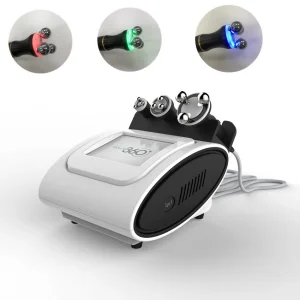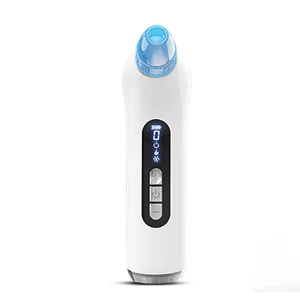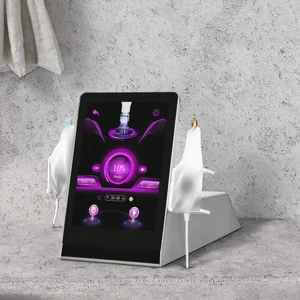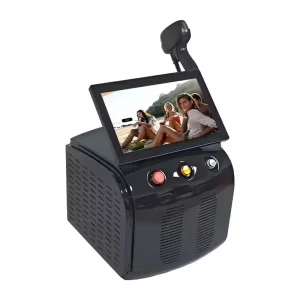
Top 10 Wrinkle Reduction Device Factories & Suppliers

Global B2B Sourcing Guide: Exploring Technological Innovation, Strict Compliance, and Advanced Chinese Medical-Beauty Supply Chains

State of the Anti-Aging & Wrinkle Reduction Device Industry

An authoritative analysis on global B2B procurement trends, mechanical modalities, and quality verification standards.
12+
Years Manufacturing Experience
20+
R&D Engineers & Tech Experts
4,000㎡+
Advanced Production Facility
100%
Strict Compliance & Quality Checked
The demand for non-invasive anti-aging treatments has witnessed a substantial paradigm shift. Modern consumers are rapidly transitioning from traditional topical cosmetic creams to advanced energy-based aesthetic machinery. Key stakeholders, including medical clinic distributors, international skincare brand owners, and spa chain operators, seek high-performance systems from reliable suppliers. A professional wrinkle reduction device factory must balance cutting-edge medical technologies with user safety, local regulatory certificates, and high-volume scalability.
As the global supply chain adapts to stricter safety standards (such as the European Medical Device Regulation - MDR and US FDA 510(k) clearances), procuring directly from audited Chinese manufacturers offers an undeniable edge in speed-to-market. Choosing an OEM/ODM partner with vertically integrated facilities ensures consistency in plastic injection molding, PCB assembly, and multi-stage quality control.

Energy Modalities Driving Modern Wrinkle Reduction

Understanding the engineering principles behind radiofrequency (RF), EMS, and emerging plasma systems.

Radiofrequency (RF) Systems

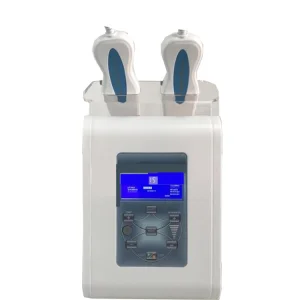
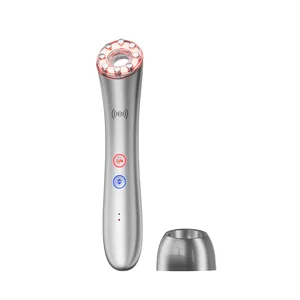
RF thermal energy penetrates deep into the dermal layers (1.5mm to 3.0mm), heating the extracellular matrix to approximately 55°C–65°C. This micro-thermal trauma prompts immediate contraction of collagen fibers and initiates long-term neocollagenesis. Advanced factory configurations integrate dynamic impedance sensors to automatically modulate energy distribution and prevent epidermal burns.

EMS & Microcurrent Stimulation

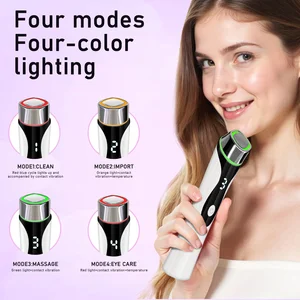
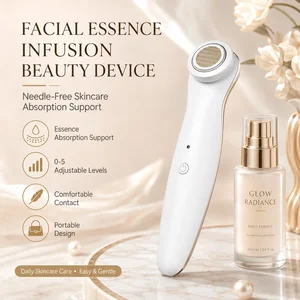
Electrical Muscle Stimulation (EMS) mimics the body's natural bio-electrical impulses to stimulate facial muscles, restoring tone and contouring the jawline. Microcurrent technologies work at a cellular level by enhancing ATP production, which accelerates tissue repair and enhances cellular metabolism, significantly smoothing fine expression lines.

Cold Plasma & COB LED Therapy

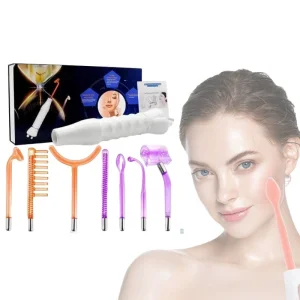
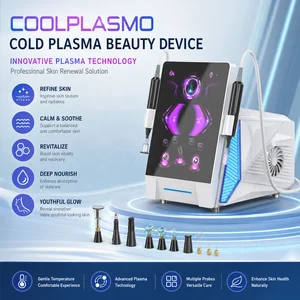
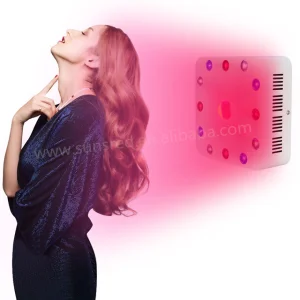
Utilizing high-frequency, high-pressure discharges to ionize air, cold plasma generators produce ozone and charged particles that eliminate pathogens and optimize cellular membrane permeability. COB (Chip-on-Board) Red Light systems deliver concentrated, monochromatic wavelengths (630nm to 850nm) to increase cellular respiration and reduce inflammatory markers.
Featured OEM/ODM Manufacturer Profile

Guangzhou Luminor Beauty Co., Ltd. — Over a decade of engineering excellence in professional and home-use beauty devices.
Guangzhou Luminor Beauty Co., Ltd. was founded over 12 years ago as a comprehensive enterprise integrating professional R&D, manufacturing, international sales, and dedicated after-sales services. Specializing in high-performance aesthetic medical and beauty devices, the company has successfully scaled its product portfolio to support both heavy-duty clinical equipment and compact, user-friendly home-use skincare devices.
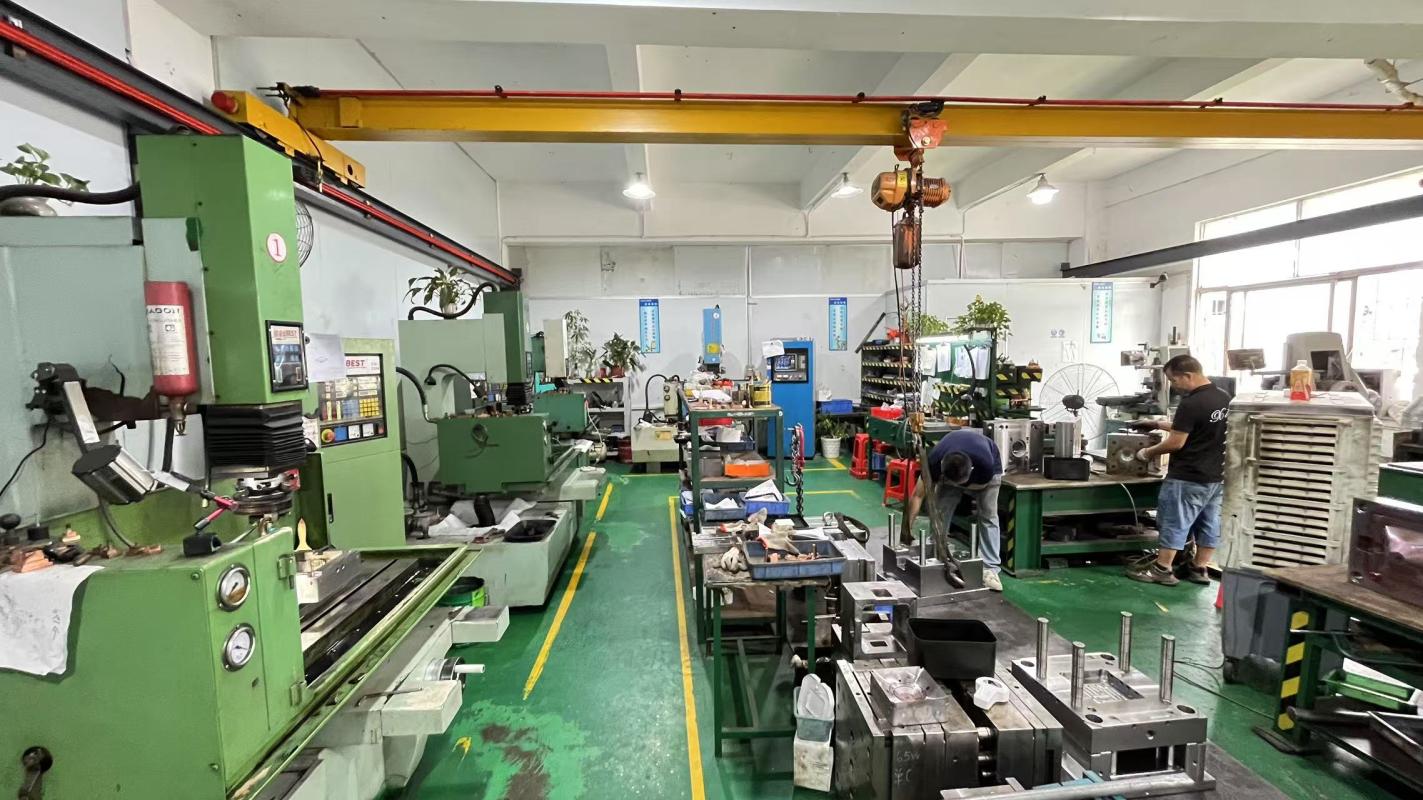
With a clear focus on technological innovation, user safety, and operational ergonomics, Luminor Beauty equips worldwide beauty professionals and retail brands with high-quality, dependable, and easy-to-use aesthetic solutions. Its state-of-the-art production base covers more than 4,000 square meters and hosts over 20 modern assembly and testing lines, driven by an in-house tooling fabrication division. This ensures complete control over structural integrity, precision molds, and product consistency.
Supported by an independent R&D team consisting of 20+ specialized engineers, the company continually pushes the boundaries of optical, radiofrequency, and ultrasonic engineering. By offering customizable OEM, ODM, and OBM packages, Luminor Beauty ships certified systems to Europe, North America, Southeast Asia, and the Middle East, cementing its reputation as a reliable global supply partner.

Inside the Factory: Production & QC Infrastructure

A transparent view into our engineering workflow, raw material processing, assembly lines, and high-precision testing instruments.
Tooling Fabrication
Tooling Fabrication
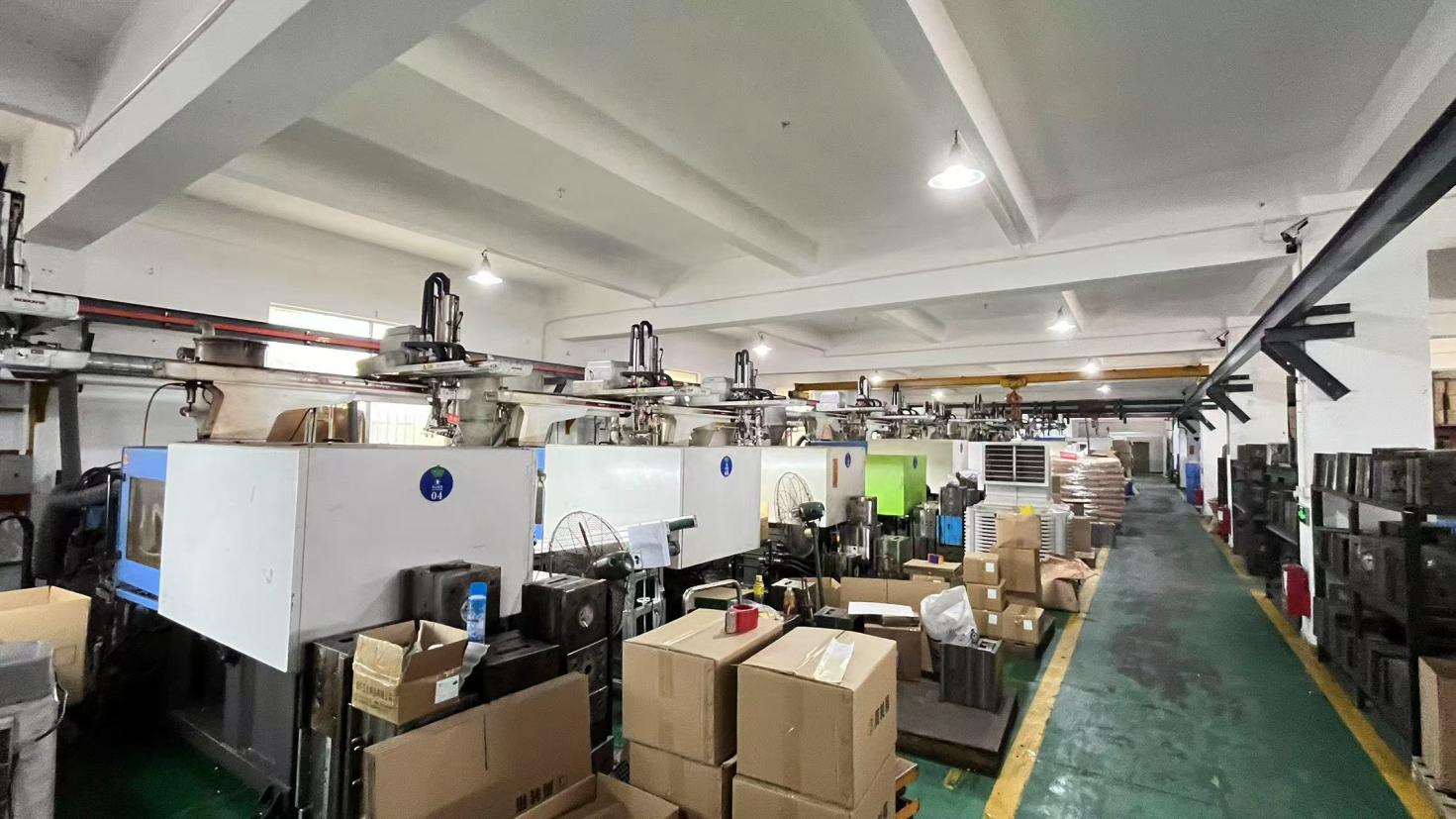
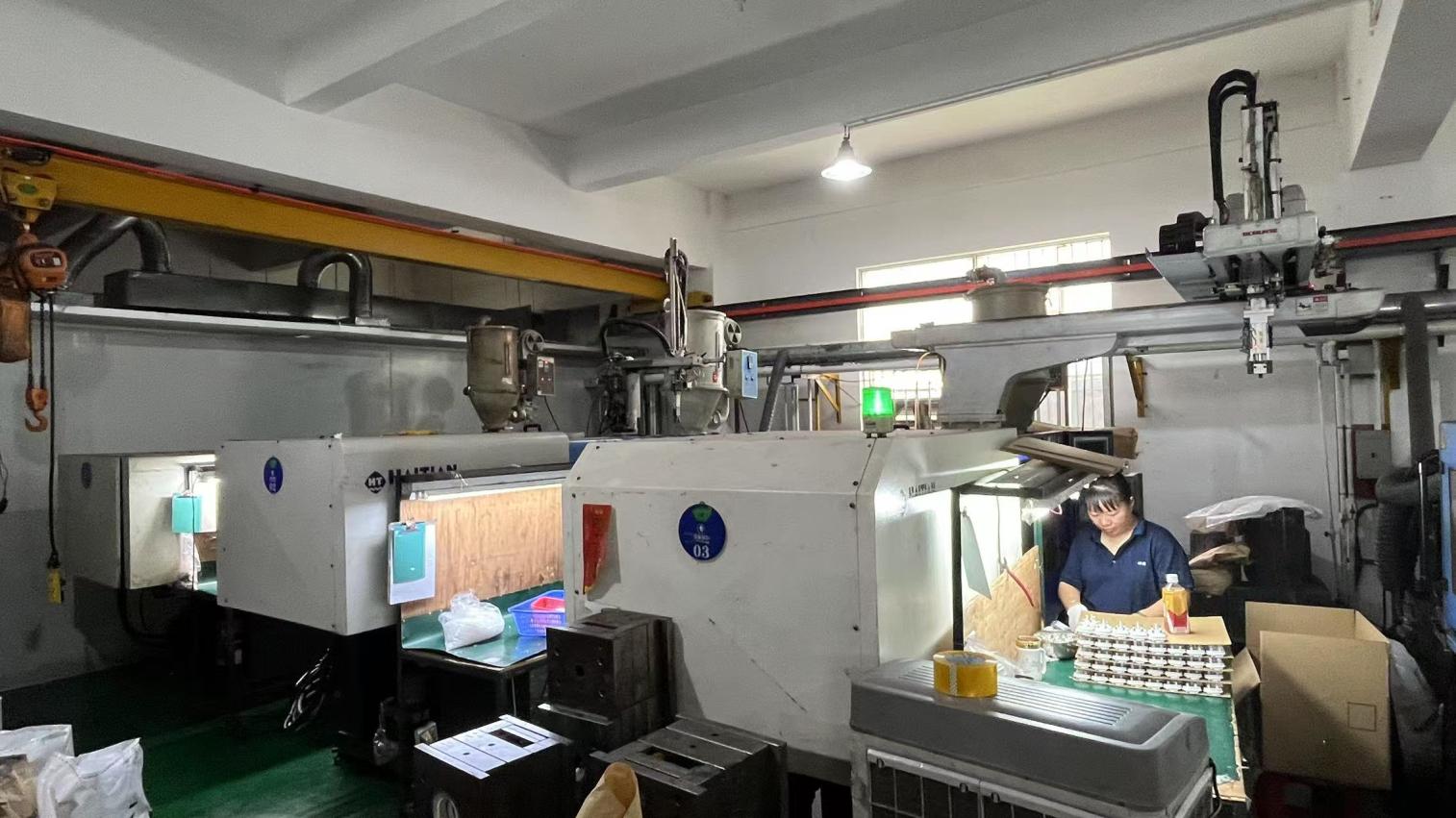
Plastic Injection
Plastic Injection
QC inspection
QC inspection
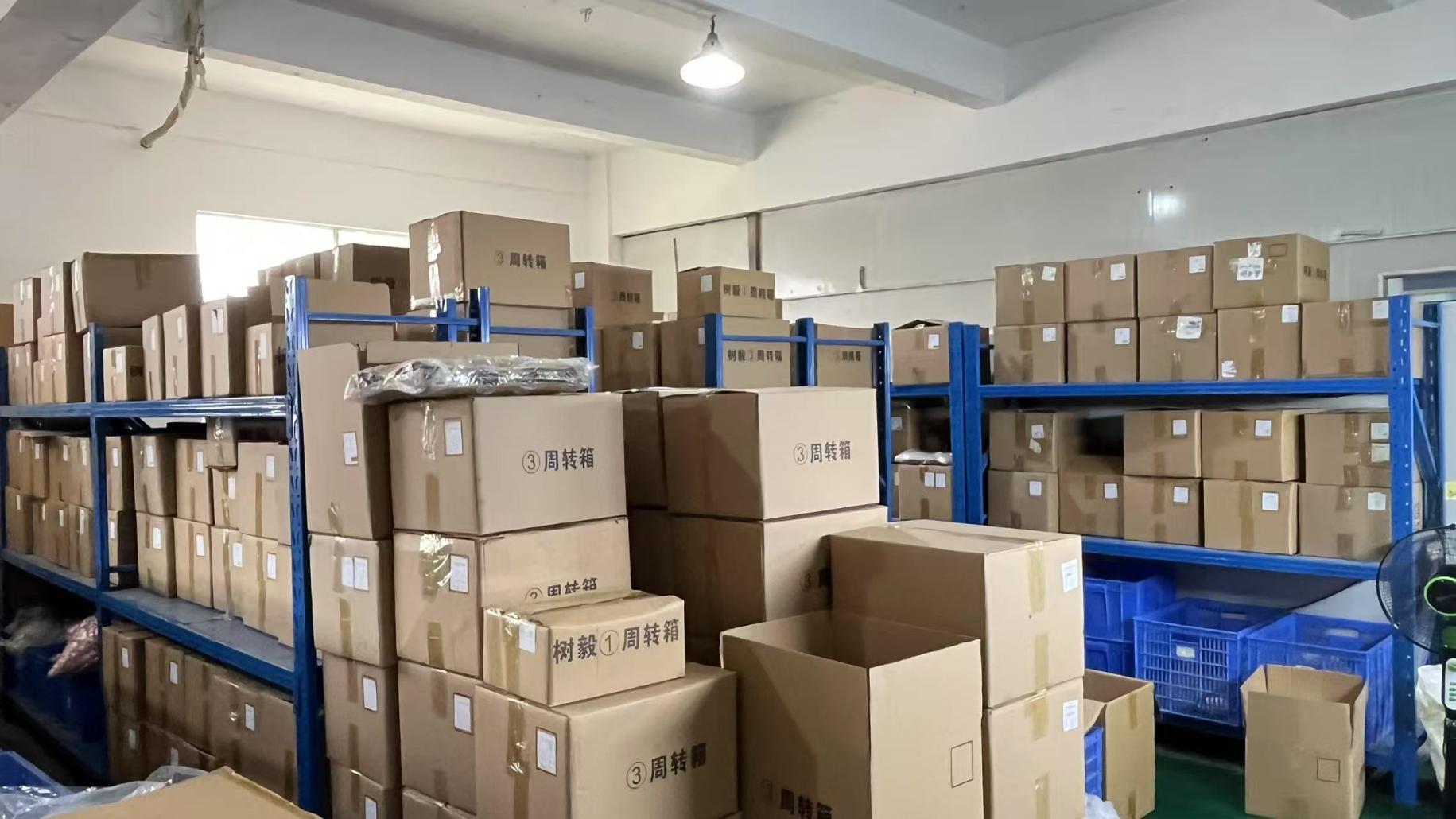
Warehouse
Warehouse
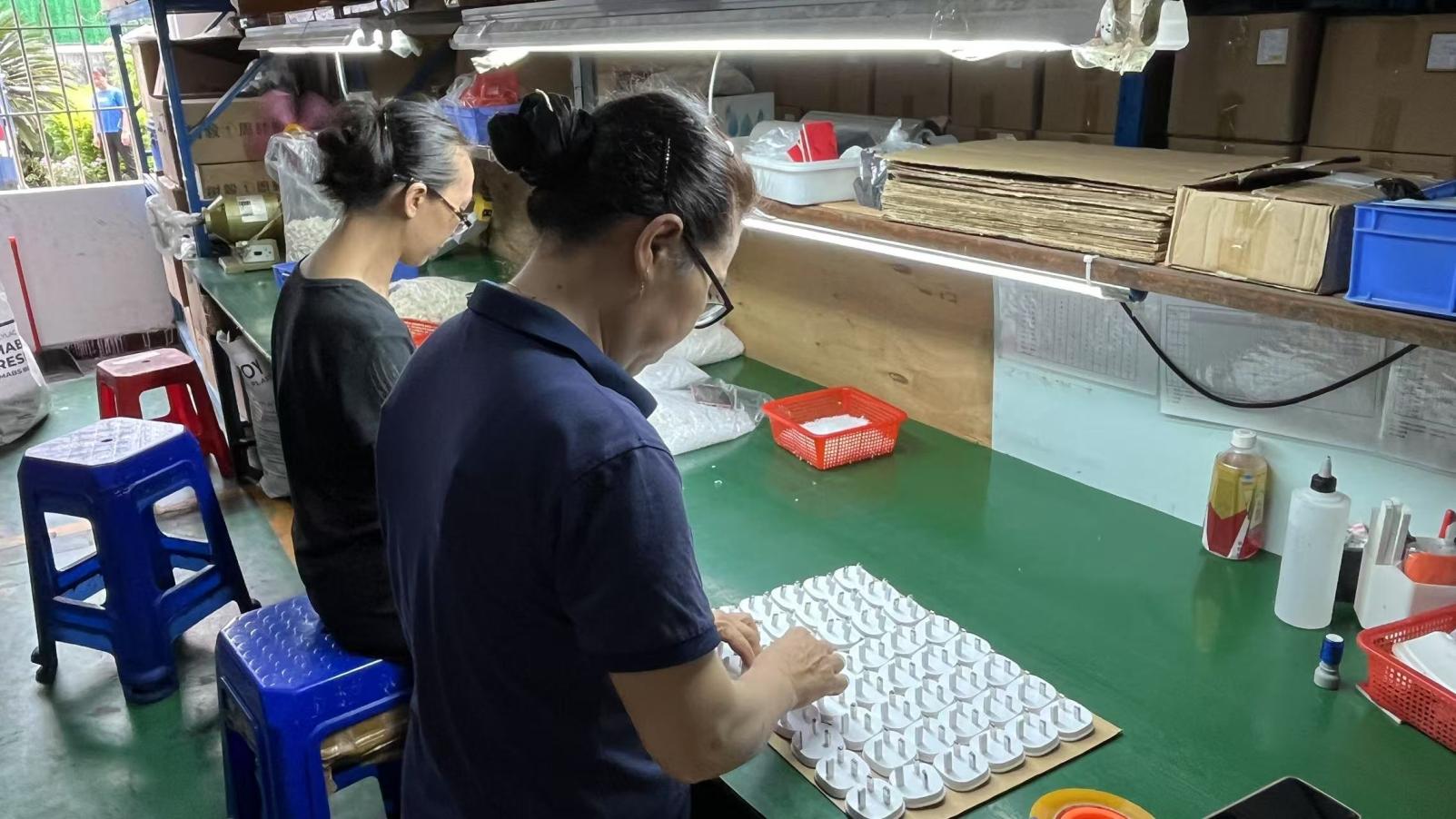
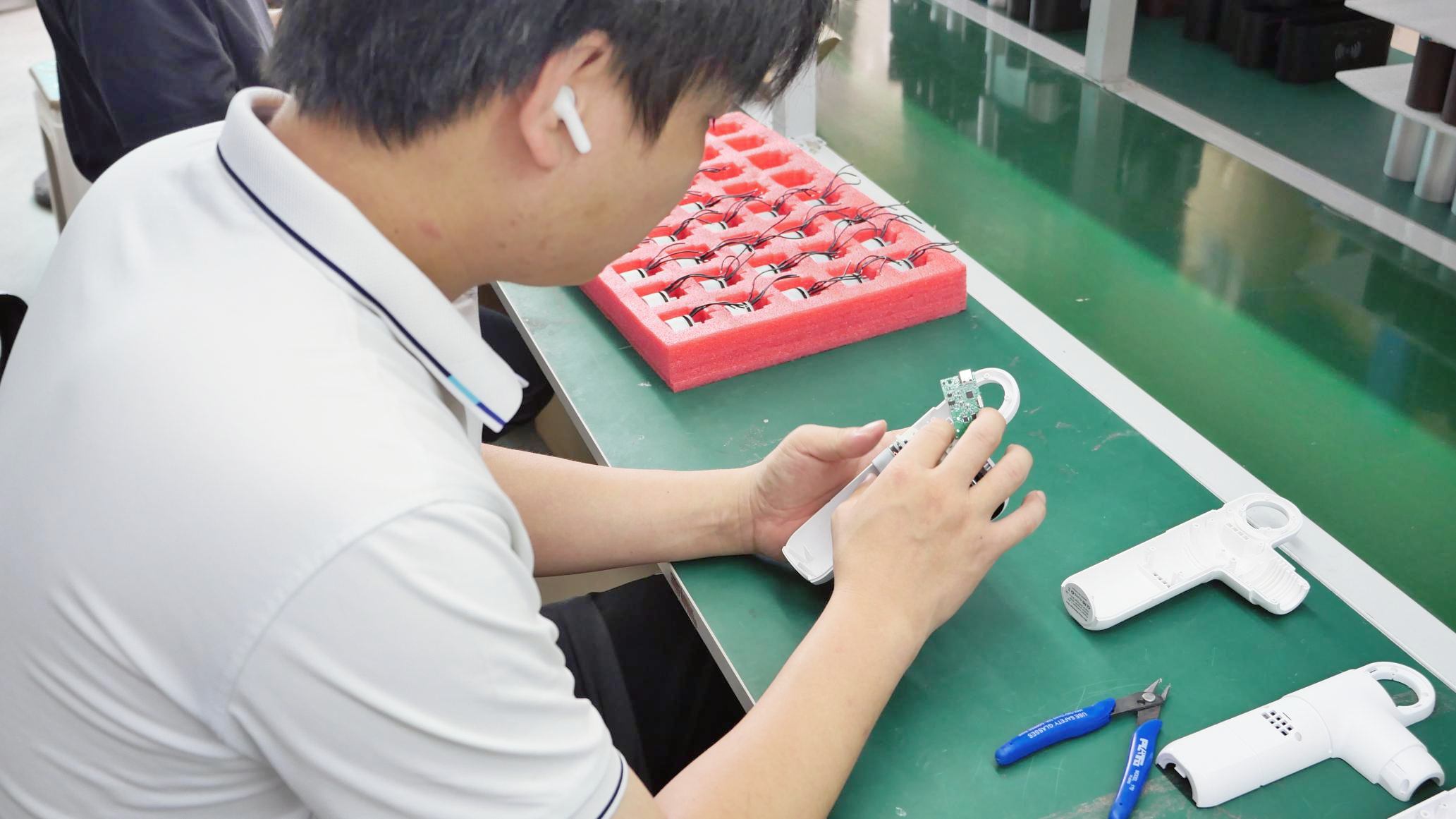
Parts Assembling 1
Parts Assembling 1
Parts Assembling 2
Parts Assembling 2
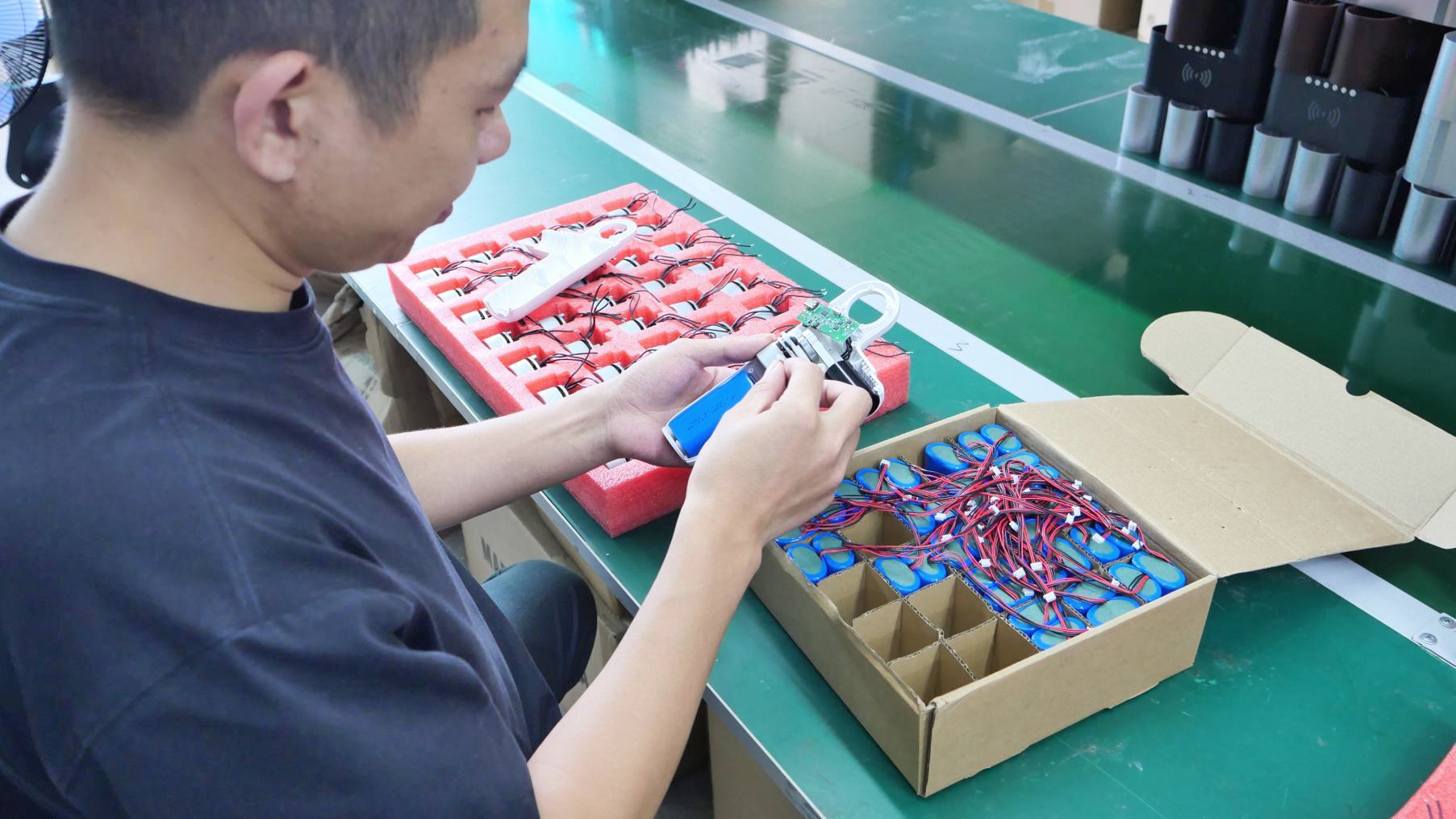
Overall Assembling
Overall Assembling
Plastic Injection Machine
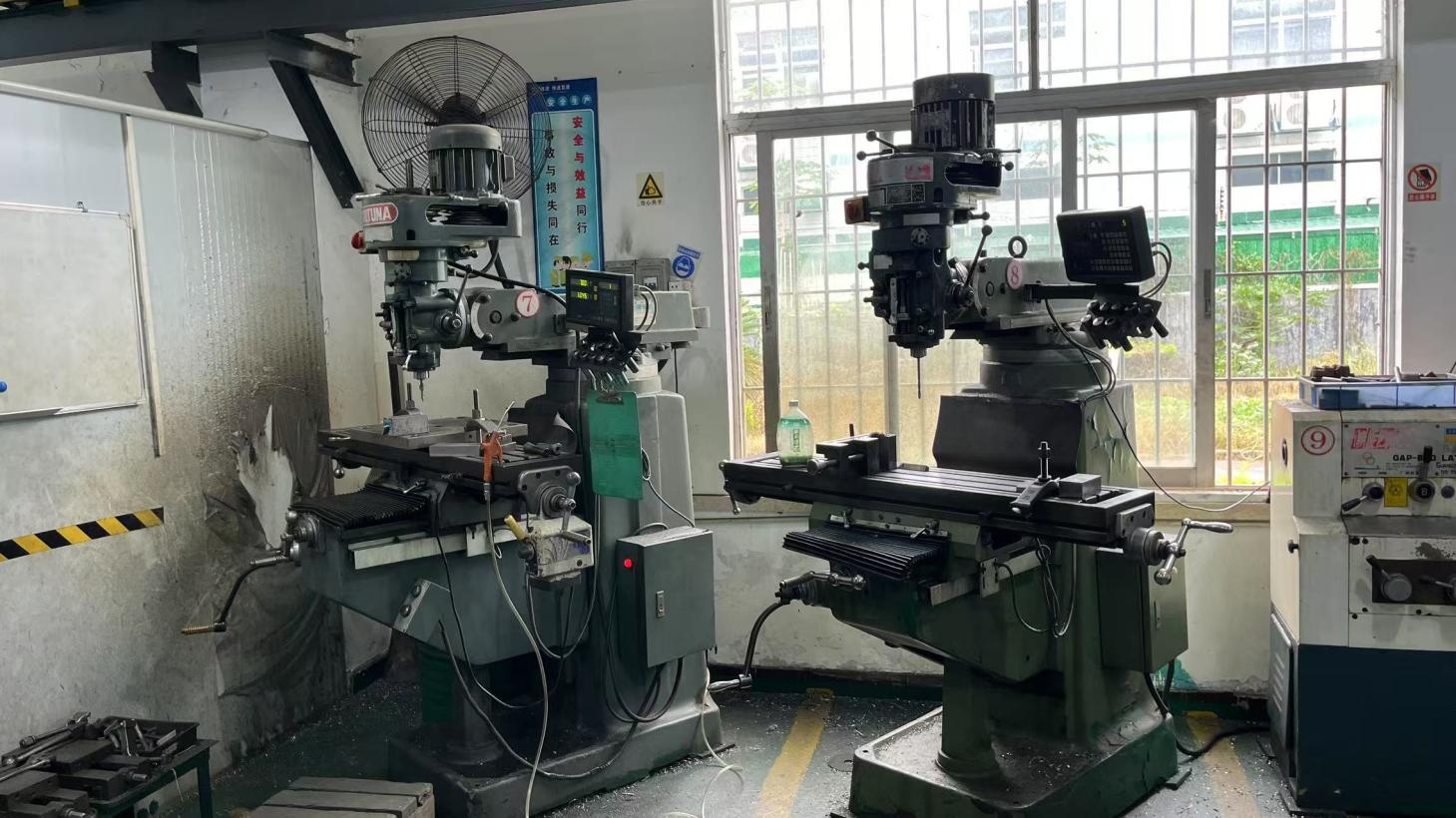
Milling Machine
Milling Machine
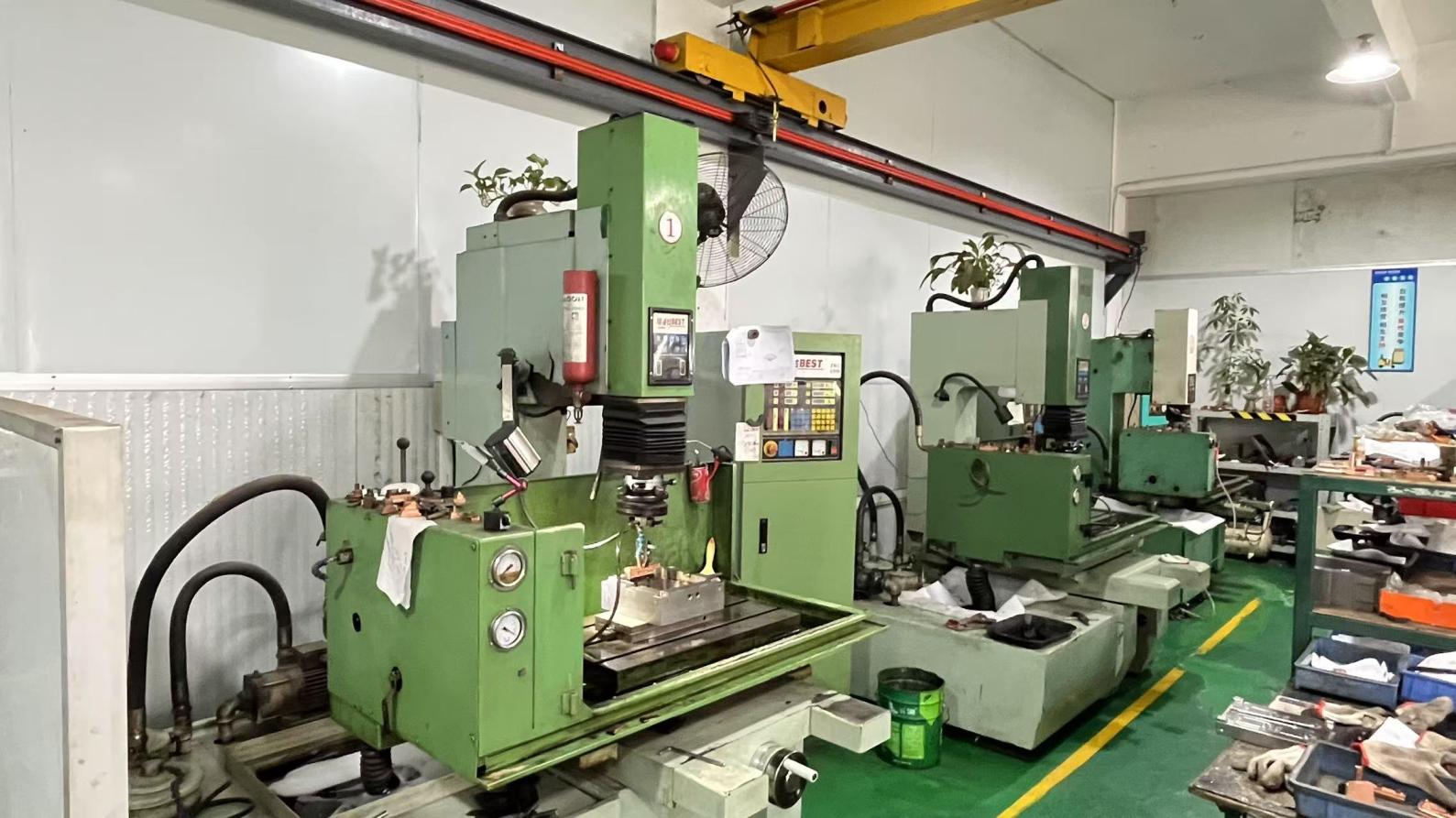
EDM
EDM
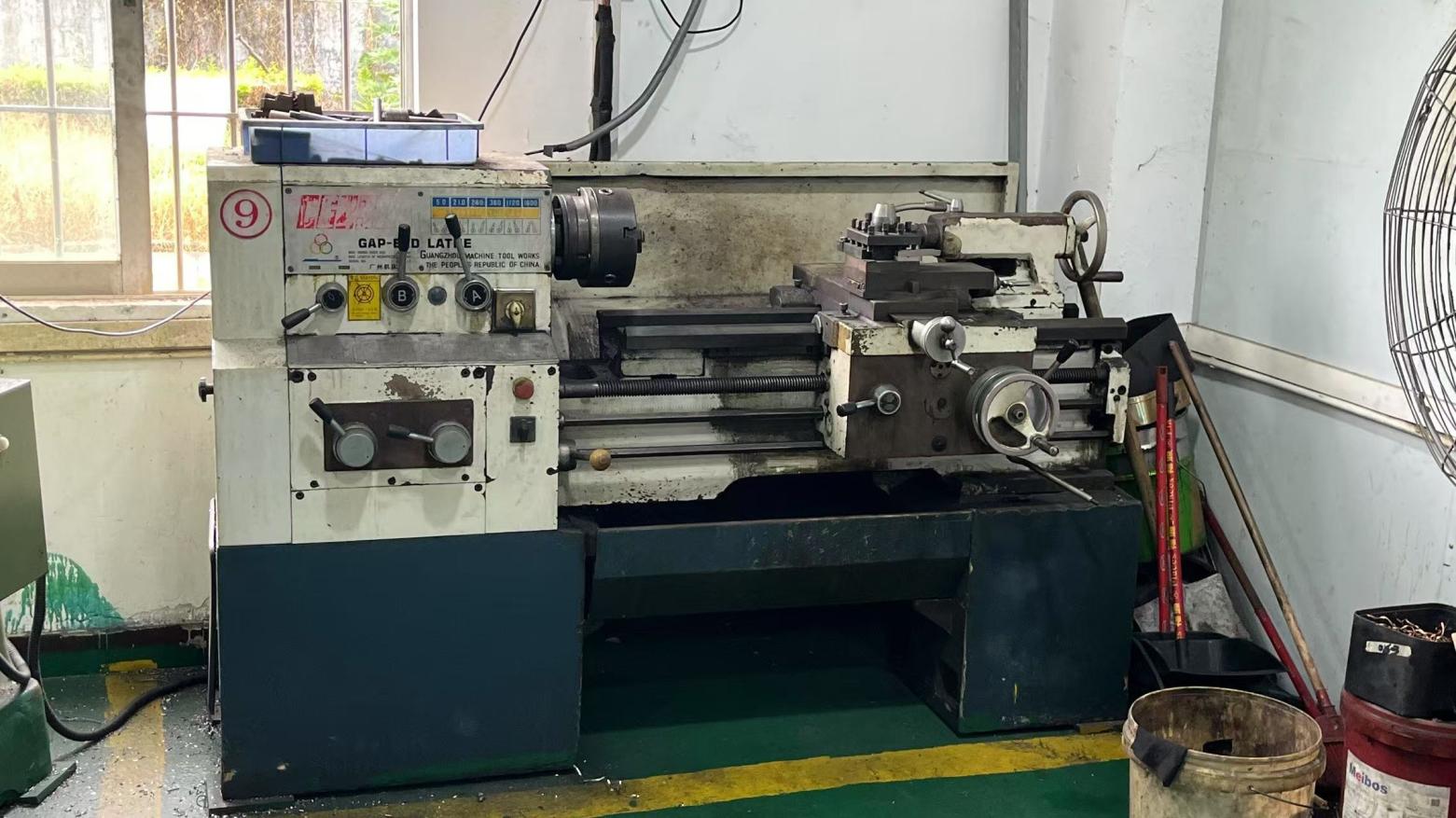
Lathe
Lathe
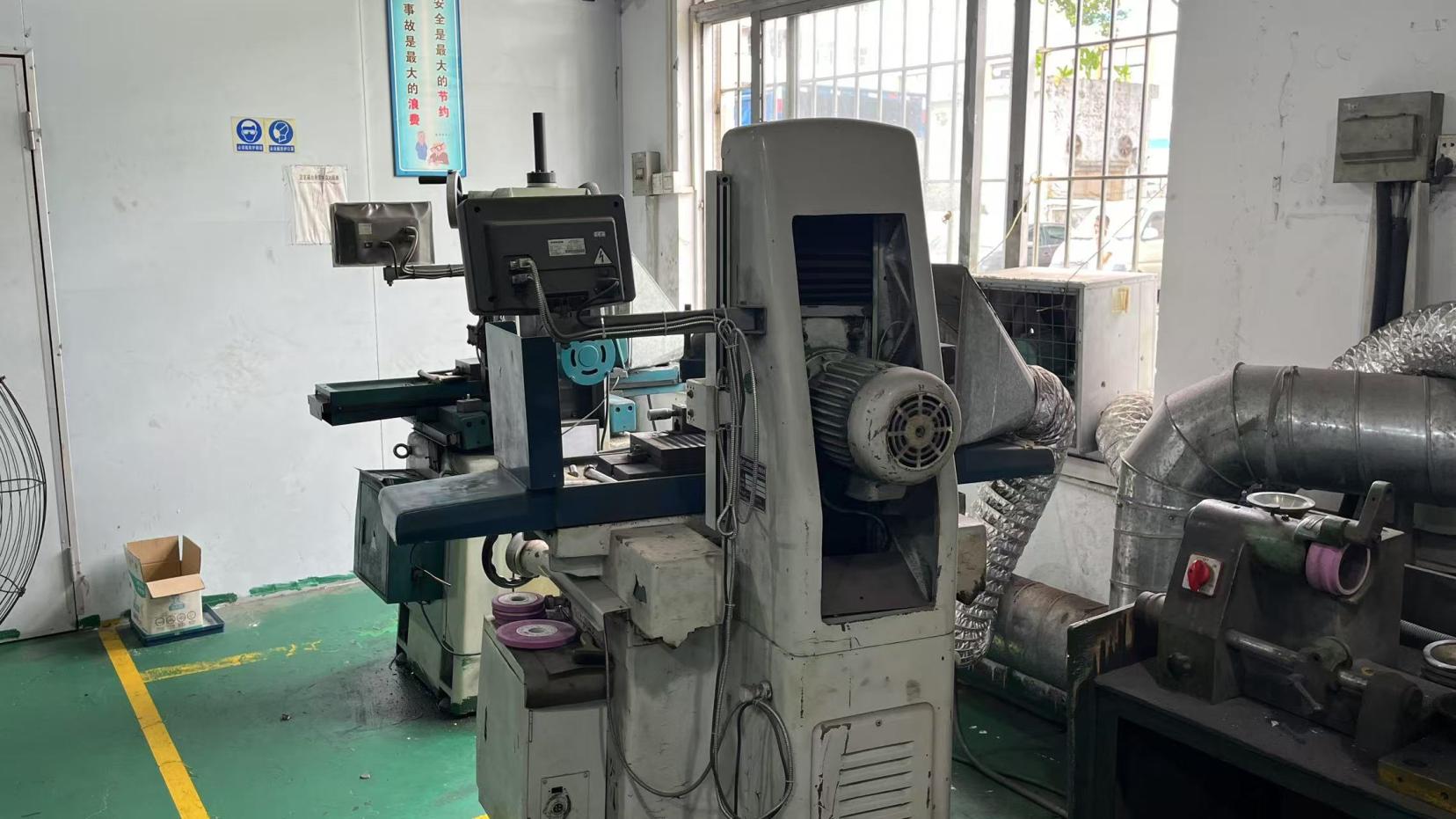
Grinding Machine
Grinding Machine
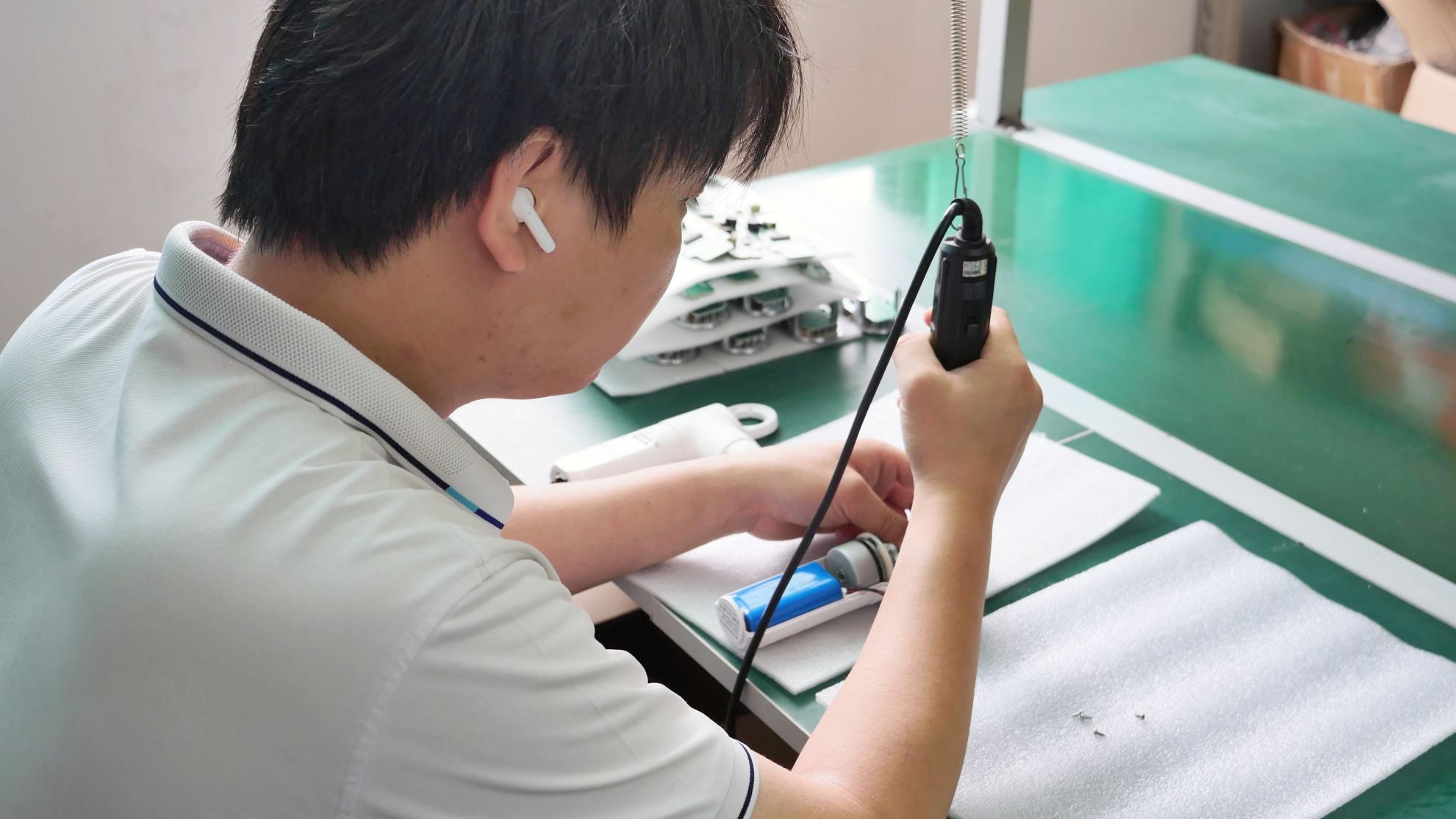
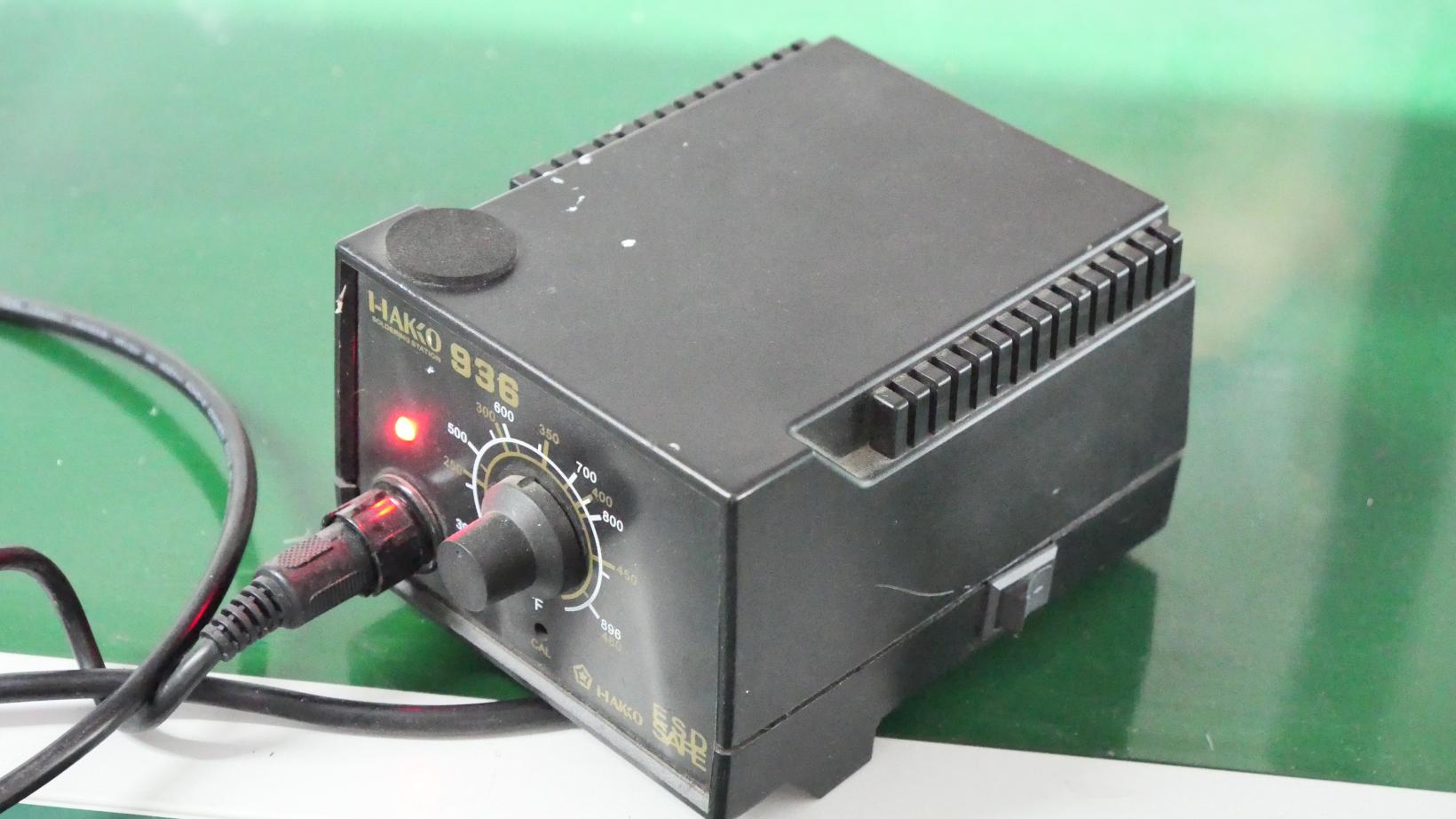
Solder Station
Solder Station
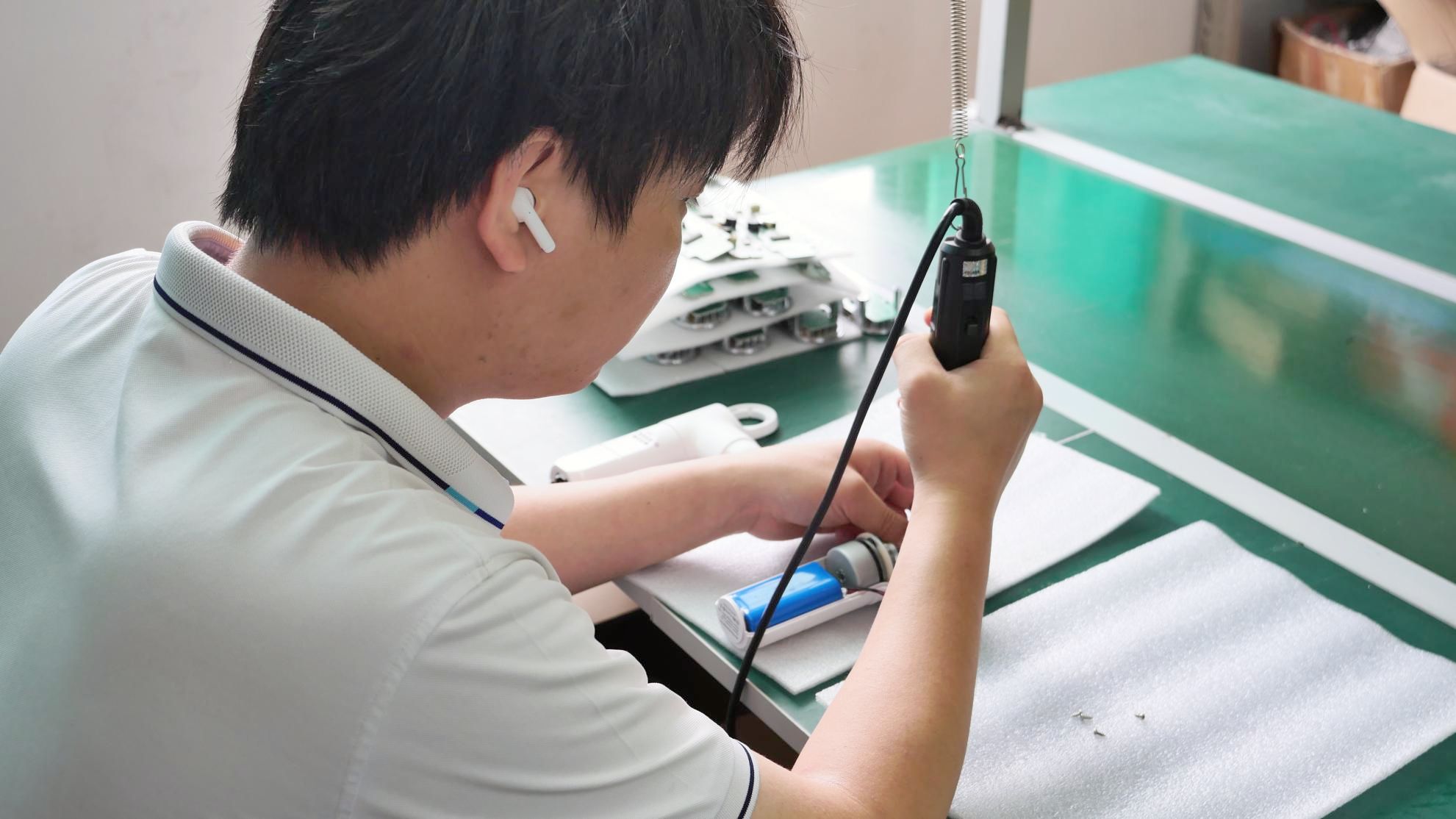
Electric Screwdriver

Why China Leads the Wrinkle Reduction Device Supply Chain

Understanding the logistical, raw material, and rapid prototyping capabilities that dominate the market.
Southern China, specifically the Pearl River Delta industrial zone, is the global epicenter for beauty instrument manufacturing. When sourcing a wrinkle reduction device from this region, procurement officers benefit from unparalleled vertical integration. The supply chain ecosystem is optimized to dramatically reduce both development overhead and manufacturing cycle times:
1. Raw Material Sourcing & Component Proximity: From medical-grade ABS polymers to advanced microcontrollers and PCB components, every element is sourced within a small geographic radius. This minimizes logistics transit times and reduces lead-times for custom mold fabrication.
2. Rapid Prototyping Capabilities: By utilizing advanced CNC machining, electrical discharge machining (EDM), and 3D printing technologies, factories can transform a conceptual CAD file into a functional, aesthetic prototype in a matter of days rather than weeks.
3. Skilled Engineering Pools: Chinese manufacturers maintain large, in-house technical engineering departments. These teams focus on safety profiles, heat dissipation calculations, circuit design, and structural safety, ensuring that any OEM product conforms to rigorous performance standards.

Global Compliance & Quality Inspection Milestones

Ensuring your imported shipments pass customs seamlessly and conform to local healthcare laws.
Entering major medical and retail markets requires strict compliance. Operating in regions like North America, Europe, or the Asia-Pacific requires a clear roadmap of certifications. Below is a checklist of critical standards that global buyers must verify before placing an order:

Medical CE & MDR Compliance

Essential for the European Union. Unlike general CE (which covers basic electrical safety), Medical CE under the new Medical Device Regulation (MDR 2017/745) ensures clinical safety, rigorous bio-compatibility of skin-contact surfaces, and strict post-market clinical follow-ups.

FDA 510(k) Clearances

For distribution in the United States, home-use and clinical wrinkle reduction devices employing laser, LED light, or radiofrequency are classified as Class II medical devices. Sourcing from a factory with existing predicate device clearances significantly reduces registration timelines.

ISO 13485 Standards

A factory certified under ISO 13485 (Medical Devices Quality Management Systems) follows systematic tracking protocols for every component. From the incoming raw plastics inspection to final wave soldering and functional aging chambers, traceability is guaranteed.
Localization Support & Commercial Scenarios

How to customize products and documentation to meet local buyer profiles and usage behaviors.
Hardware design is only part of the equation. To capture market share, international brand owners and medical distributors must localize their offerings. A versatile manufacturer supports these efforts through three key areas:
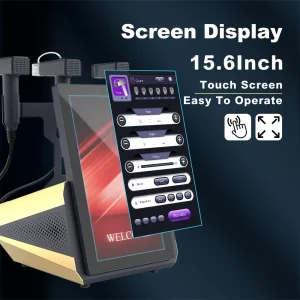
  • Software UI & Language Customization: Professional clinical equipment requires multi-language touch screen interfaces (English, Spanish, German, French, Arabic, etc.). Home-use devices benefit from localized mobile applications.
  • Ergonomics & Regional Compliance: Plug configurations (EU/US/UK/CN plugs), voltage adaptors (110V/220V), and structural materials must adapt to regional electrical codes and skin-sensitivity standards.
  • Local Training & Collateral Support: High-end beauty systems should include comprehensive user guides, operational video tutorials, and technical troubleshooting guides to reduce customer service costs.
Whether your application scenario is high-throughput clinical use (where durability, sanitization protocols, and speed are key) or daily home-care routines (focusing on battery life, safety limits, and ease of use), choose a manufacturer that tailors energy density and structural designs accordingly.

B2B Sourcing FAQ: Anti-Aging Beauty Technology

Frequently asked questions by procurement managers, clinic operators, and cosmetic brands.
What is the typical lead time for custom OEM/ODM orders of wrinkle reduction devices?
For standard OEM projects (applying client logos on existing designs and custom packaging), the turnaround is generally 15 to 30 days depending on component availability. For complex ODM developments (requiring custom mechanical housings, custom PCBs, and proprietary software), the timeline ranges from 3 to 6 months. This accounts for engineering design, functional testing, prototype approval, and mold fabrication.
How do you guarantee the safety of home-use radiofrequency (RF) systems?
Safety is paramount for home use. Responsible factories design their systems with built-in NTC (Negative Temperature Coefficient) thermal sensors directly on the metal contact probes. These sensors constantly monitor skin temperature in real time. If the temperature exceeds safe thresholds (typically 42°C–43°C on the surface), the RF driver cuts off energy delivery to protect the skin.
Can you provide customized packaging and custom housing colors for small orders?
Yes, custom housing colors (via spraying or custom-colored plastic pellets) and custom packaging can be supported. Depending on the design complexity, the Minimum Order Quantity (MOQ) for custom color housings starts around 500 units, while customized packaging can sometimes be accommodated at lower volumes with setup fees.
How is after-sales technical support managed for international distributors?
Our warranty covers the device body for 1–2 years depending on the model. We supply spare modular parts (such as handpieces, power adapters, or display panels) along with detailed video tutorials for diagnostics and field replacement. For complex issues, our engineering team provides remote assistance via video conference.