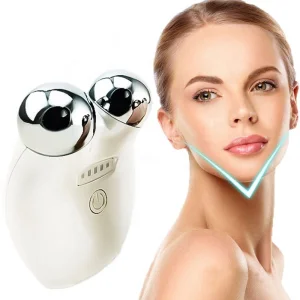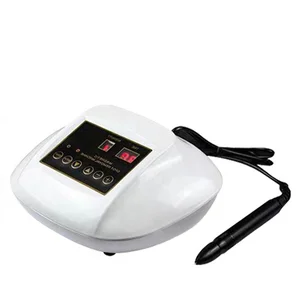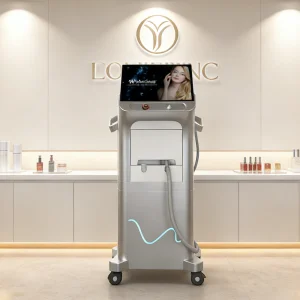
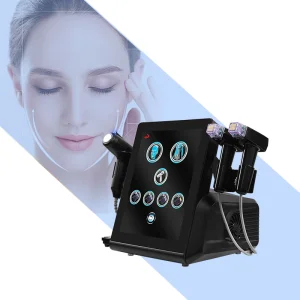
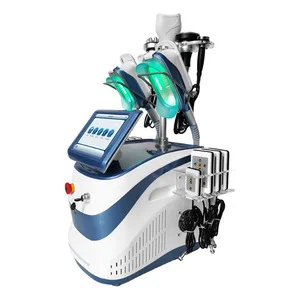
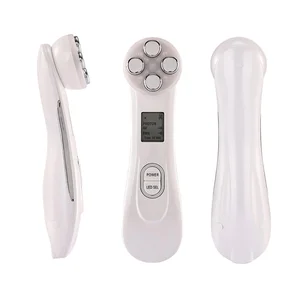
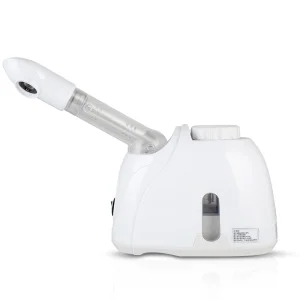
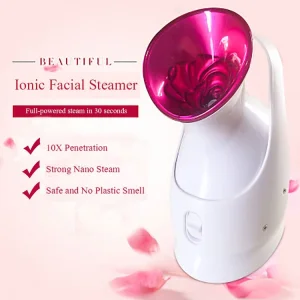
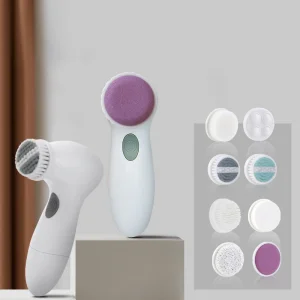
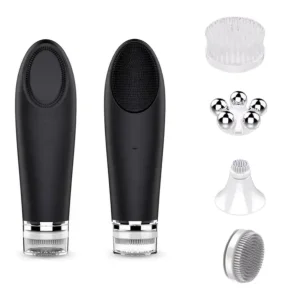
Facial exfoliation has evolved far beyond basic mechanical scrubs. In the modern global skincare market, advanced exfoliation devices integrating sonic micro-vibrations, vacuum hydro-dermabrasion, microcurrents, and warm/cold plasma technologies are replacing traditional manual skin care tools. For beauty product distributors, global brand owners, and clinic networks, choosing the right production partner is critical.
As leading skincare brand managers know, consumer demand for clinical-grade skincare results at home has triggered massive growth in specialized beauty hardware. Sourcing hardware that can consistently deliver safe, effective epidermal desquamation requires working with factories that possess deep engineering capabilities. Rather than simply packaging off-the-shelf components, tier-one manufacturers focus on the fluid dynamics of hydro-peels, the precise resonance frequency of sonic motors, and the biocompatibility of facial-contact materials.
Guangzhou, China, stands as the global epicentre of aesthetic medical and home-use beauty device engineering. Factories in this region have transitioned from basic contract assembly to high-end engineering hubs that execute complex OEM, ODM, and OBM contracts. By integrating optical, radiofrequency (RF), mechanical, and material science disciplines under one roof, these suppliers are uniquely positioned to offer unmatched speed-to-market and technological innovation.
Founded over 12 years ago, Guangzhou Luminor Beauty Co., Ltd. is a premier comprehensive enterprise integrating R&D, precision manufacturing, global sales, and structured after-sales support. Luminor specializes in medical-aesthetic equipment and high-performance home beauty devices, establishing a bridge between professional clinical efficacy and safe consumer application.
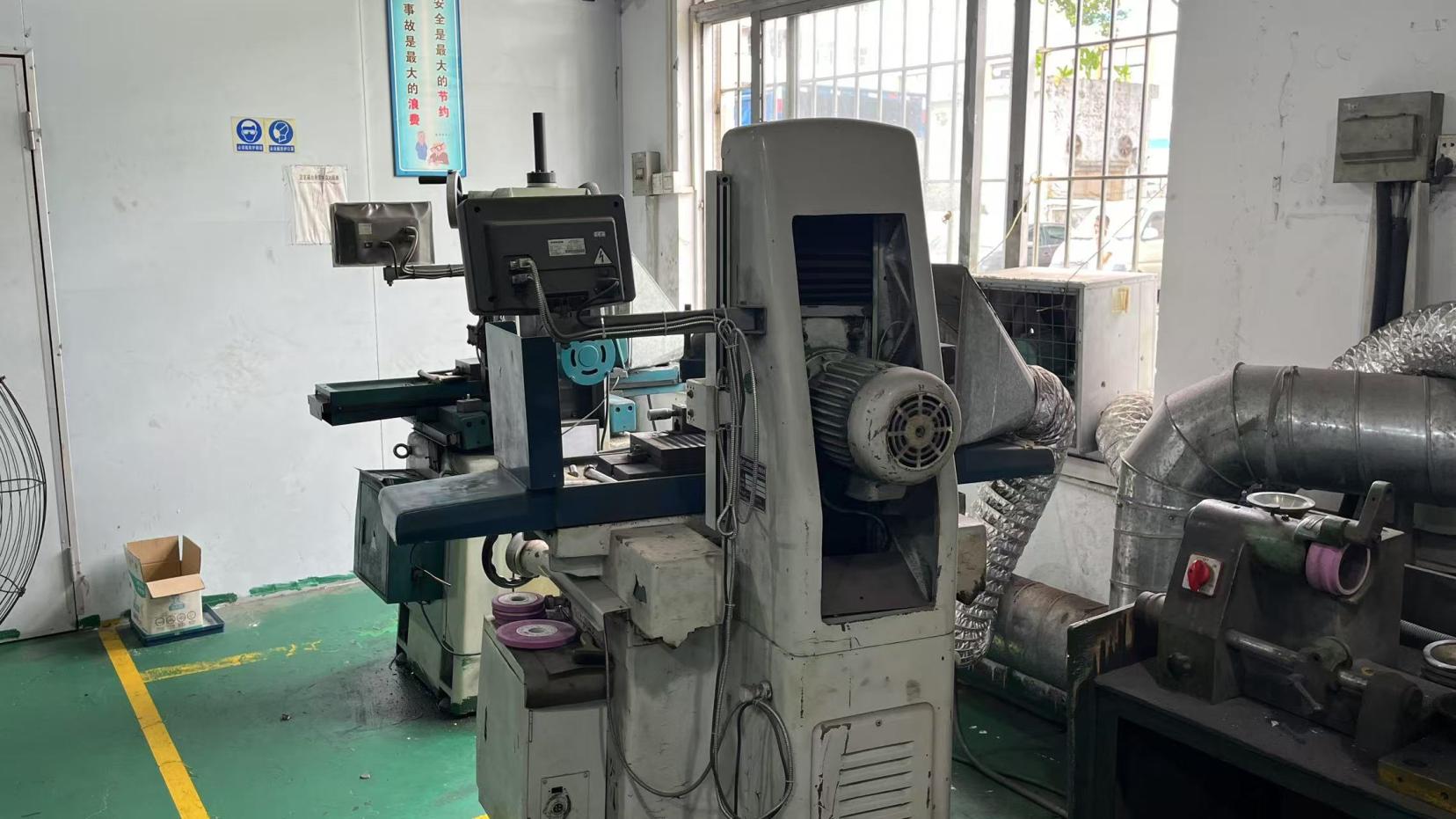
Luminor Beauty operates a state-of-the-art production facility covering more than 4,000 square meters. The plant runs more than 20 modern production lines backed by a fully equipped in-house tooling and mold fabrication department. By owning the tooling phase, Luminor has absolute control over product tolerances, structural integrity, and ergonomic styling. This in-house tooling capability significantly reduces the development cycle for ODM projects, allowing international buyers to bring custom designs to market up to 40% faster than typical outsourcing timelines.
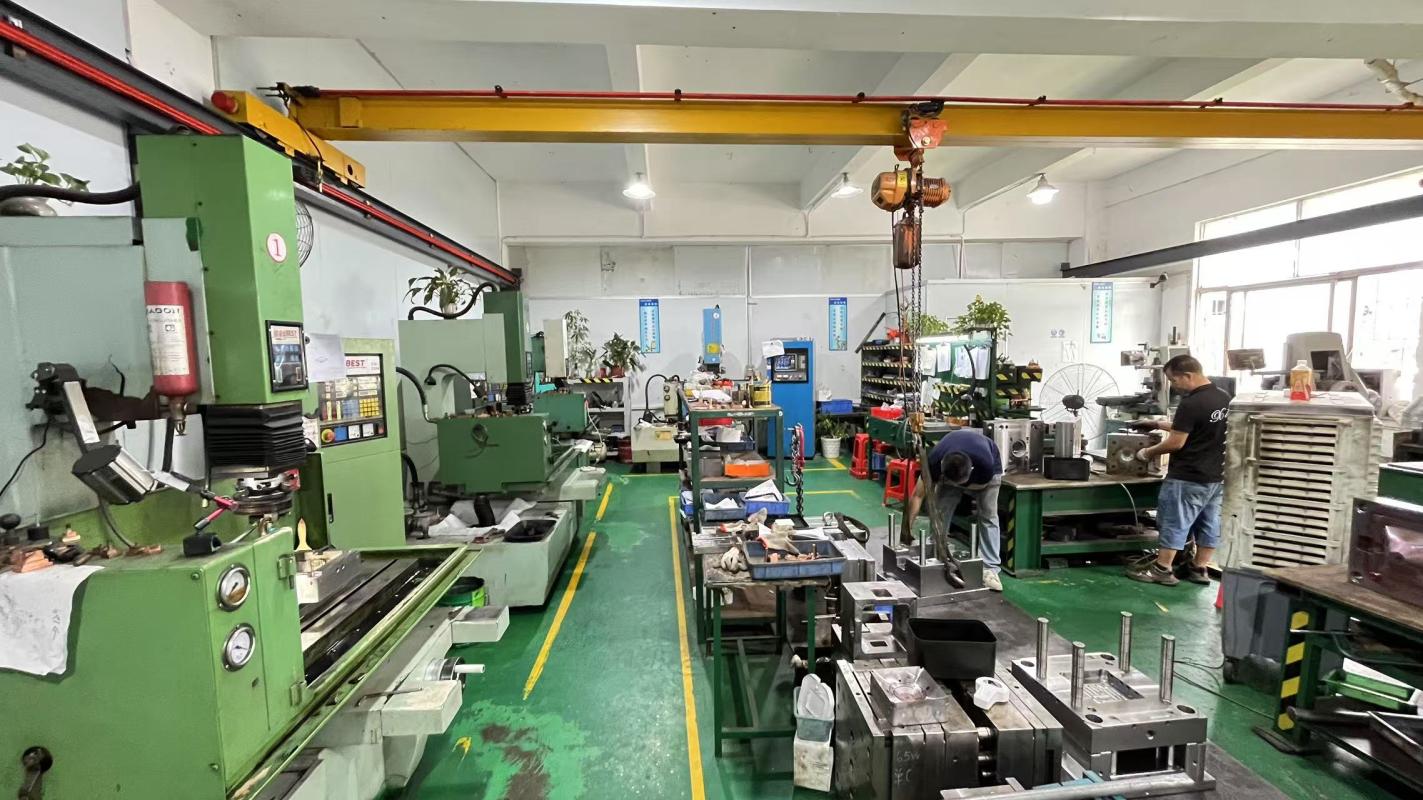
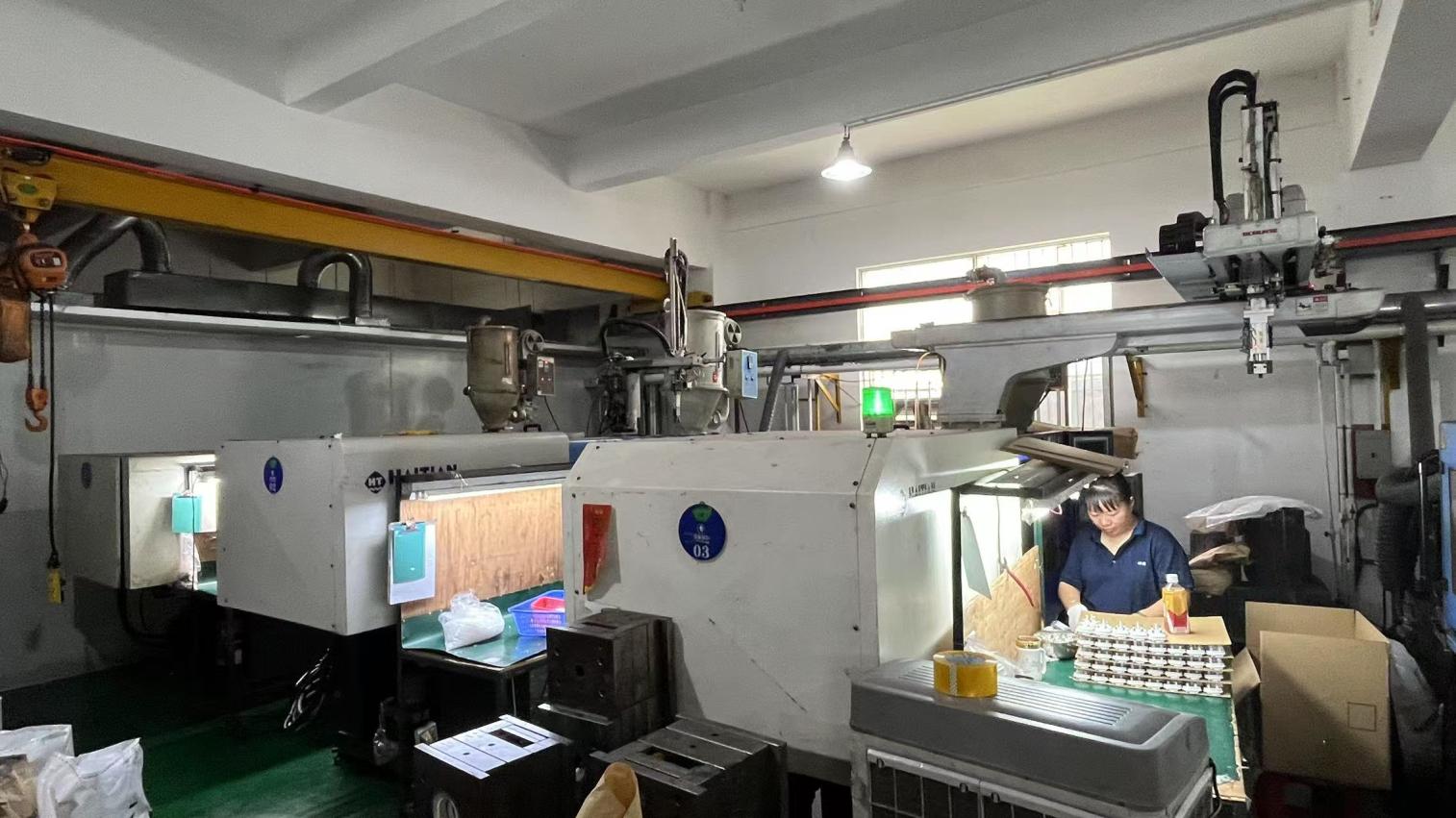
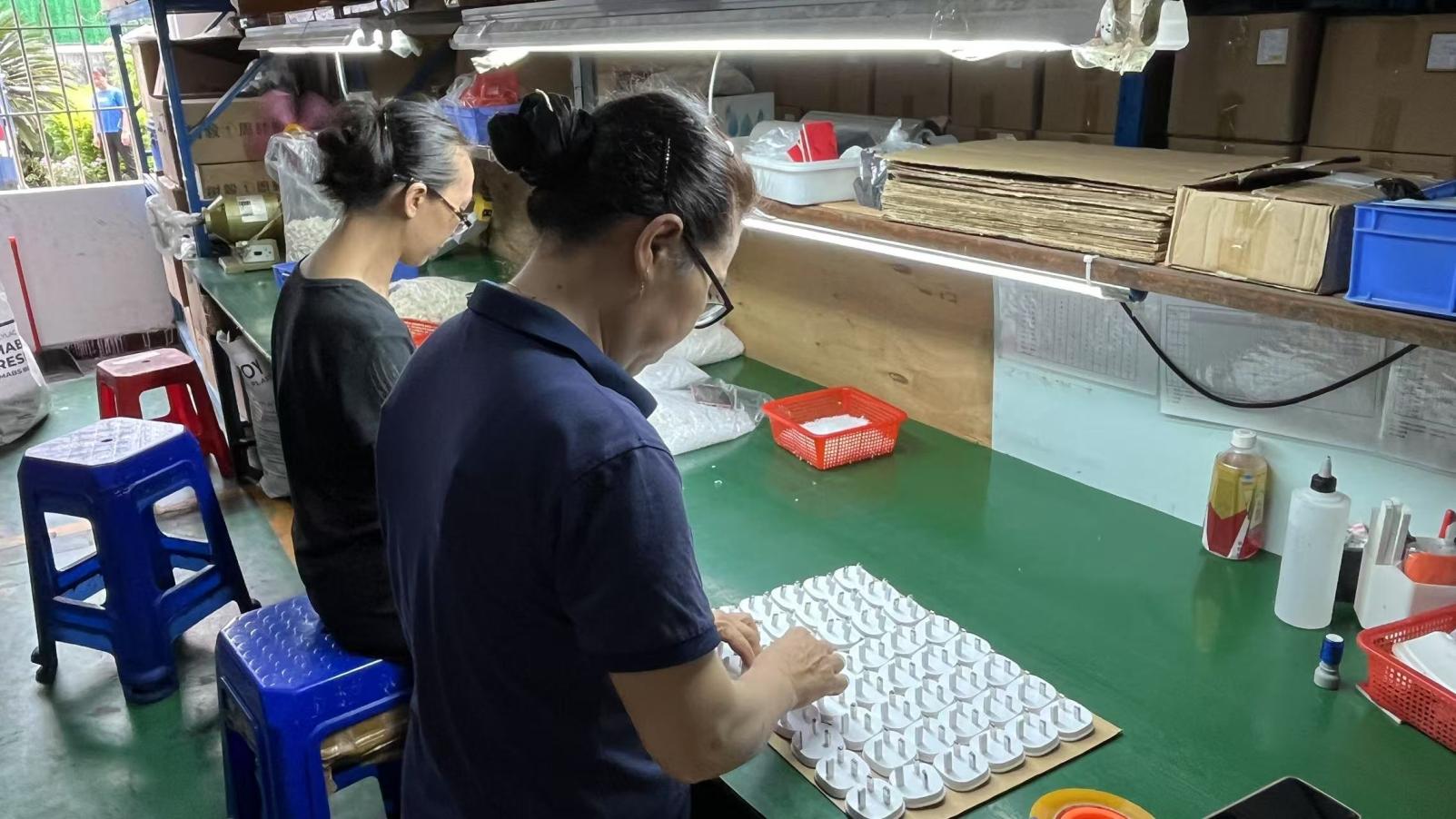
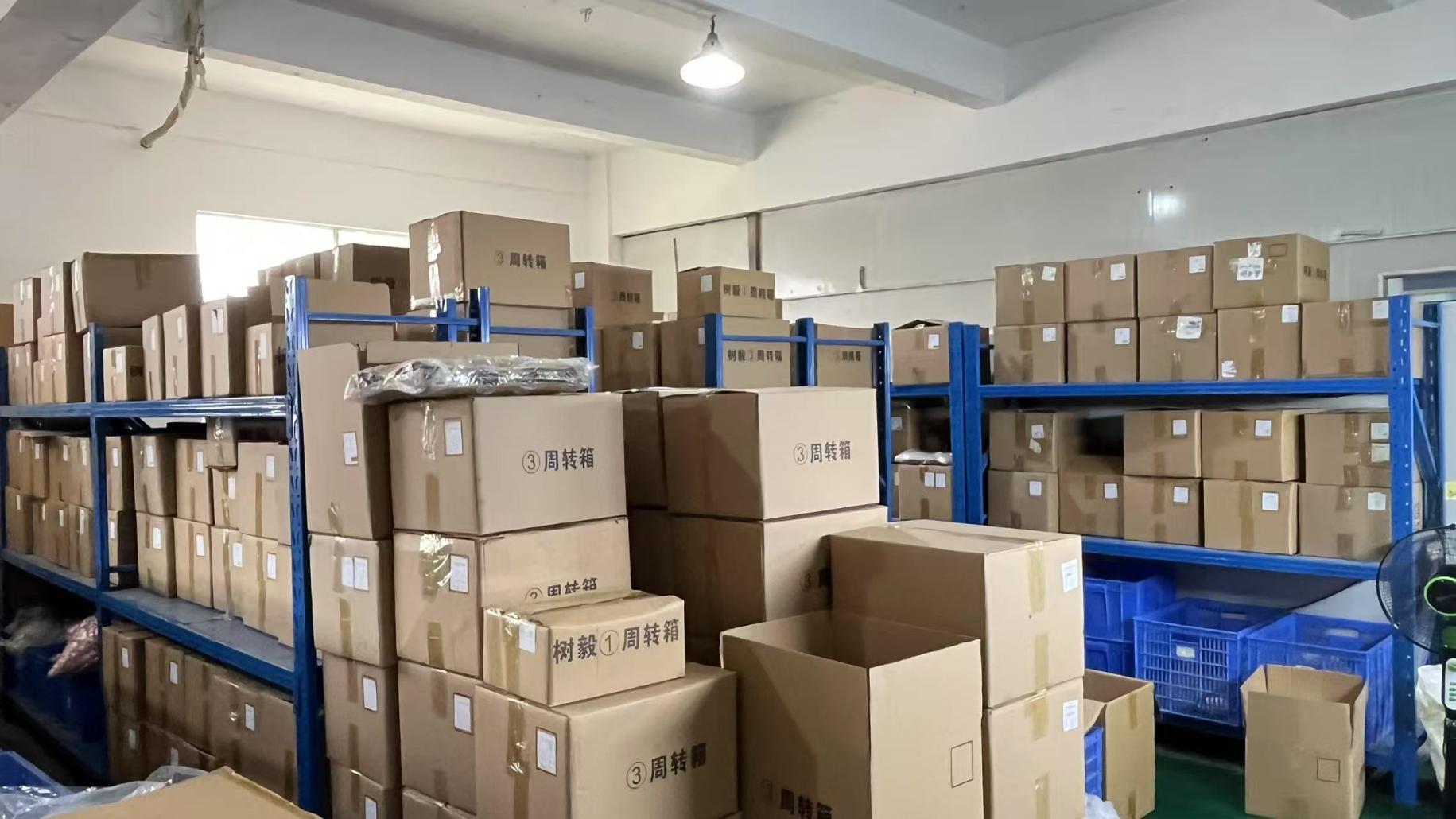
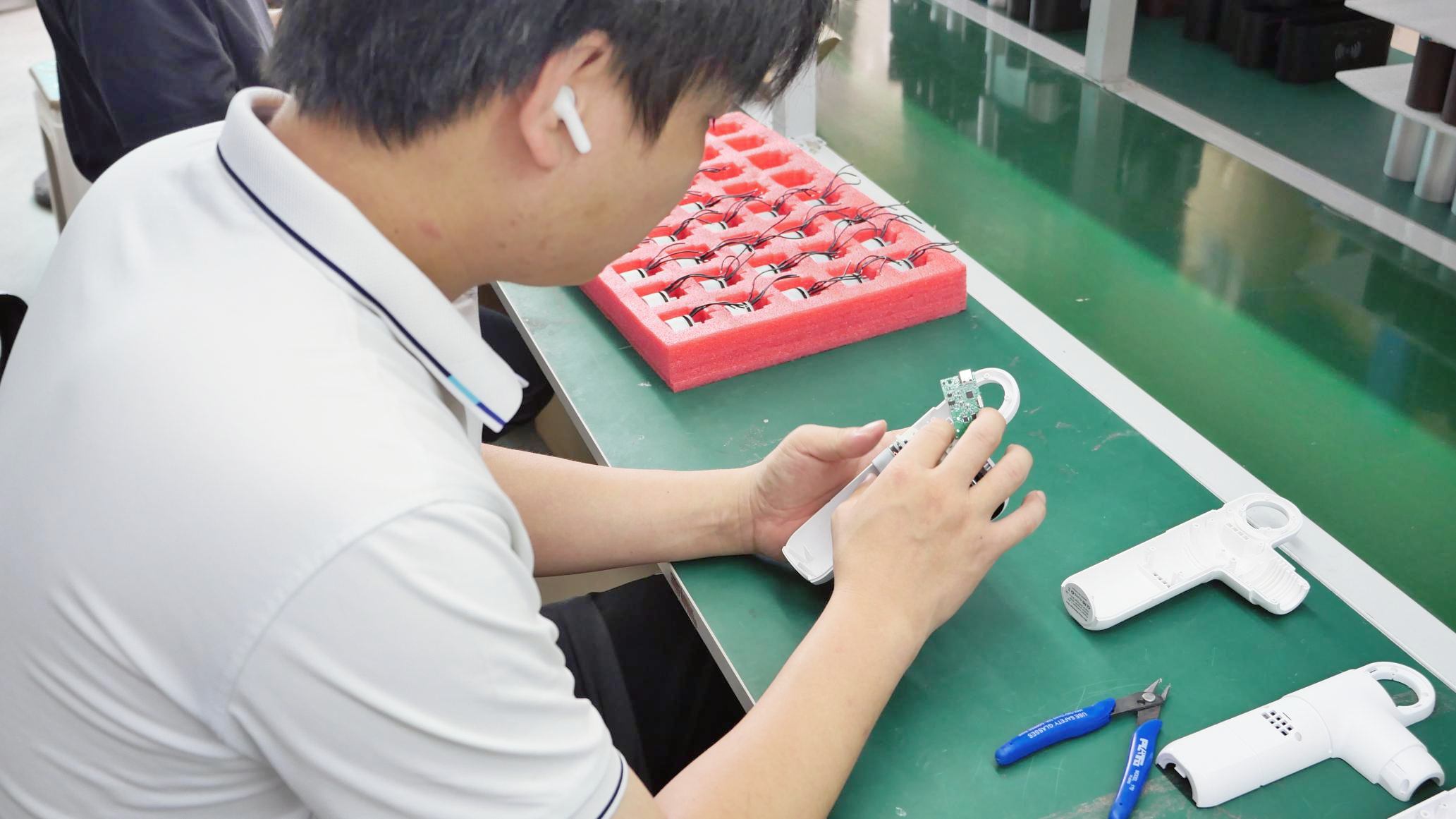
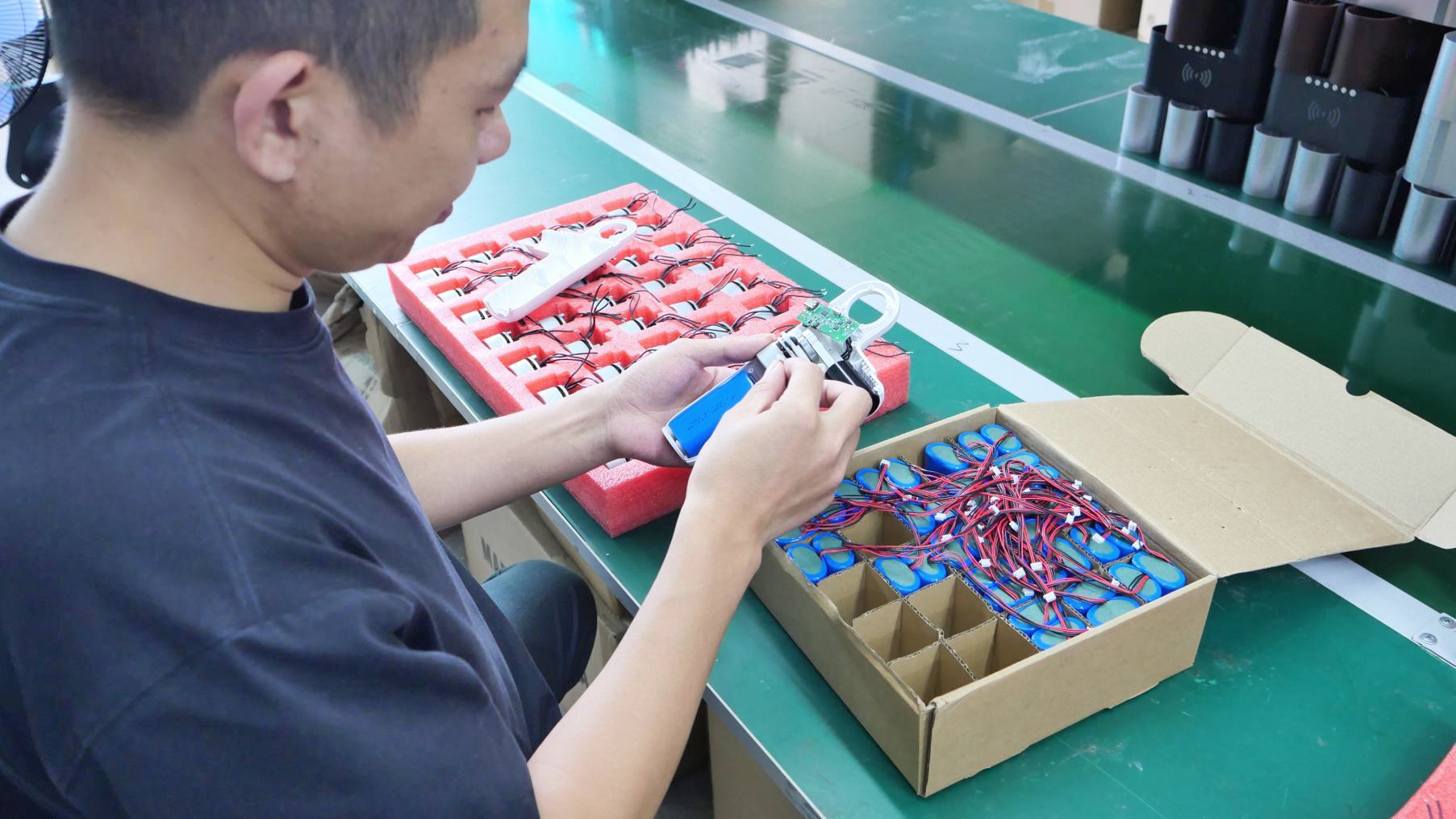
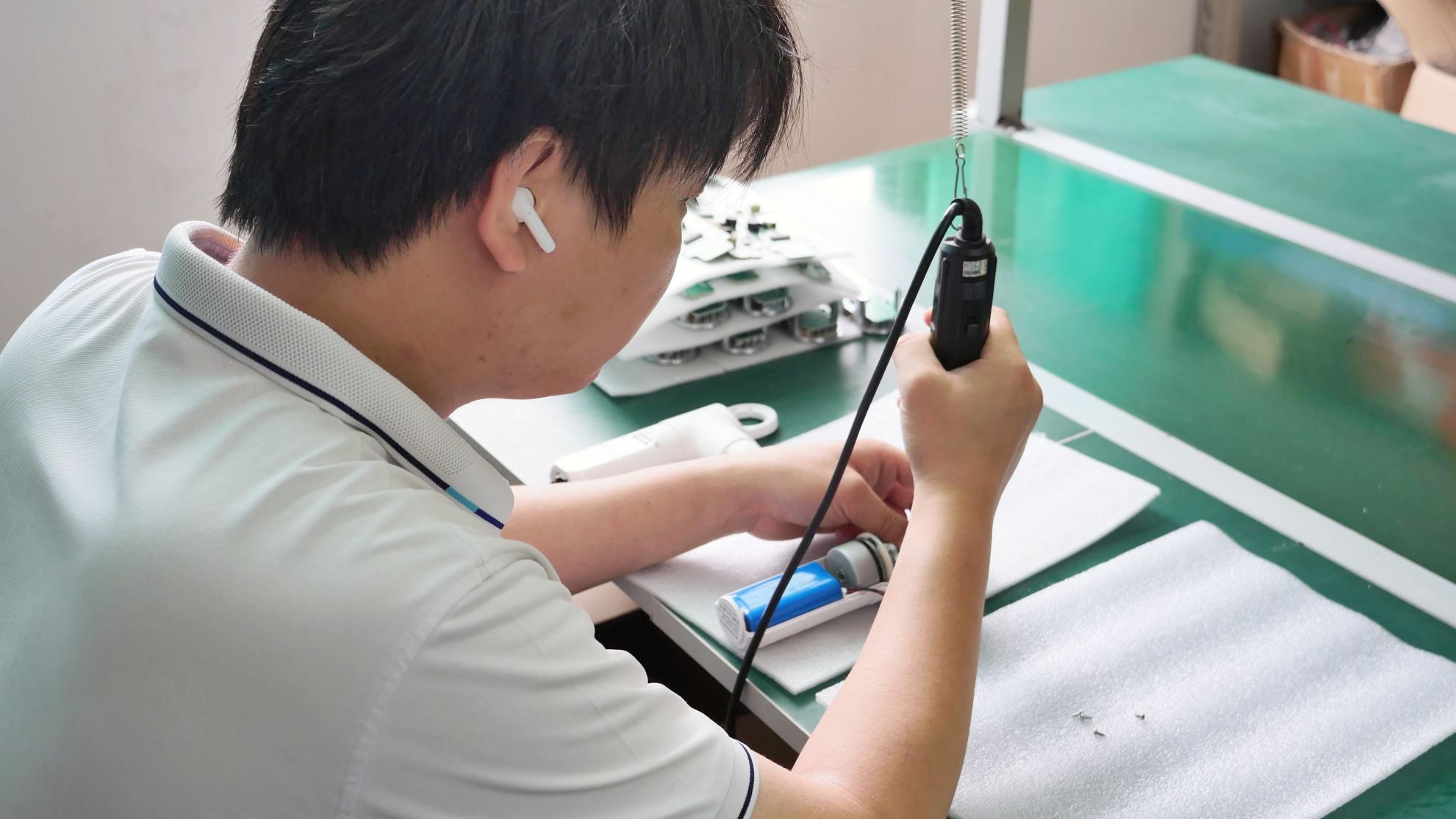
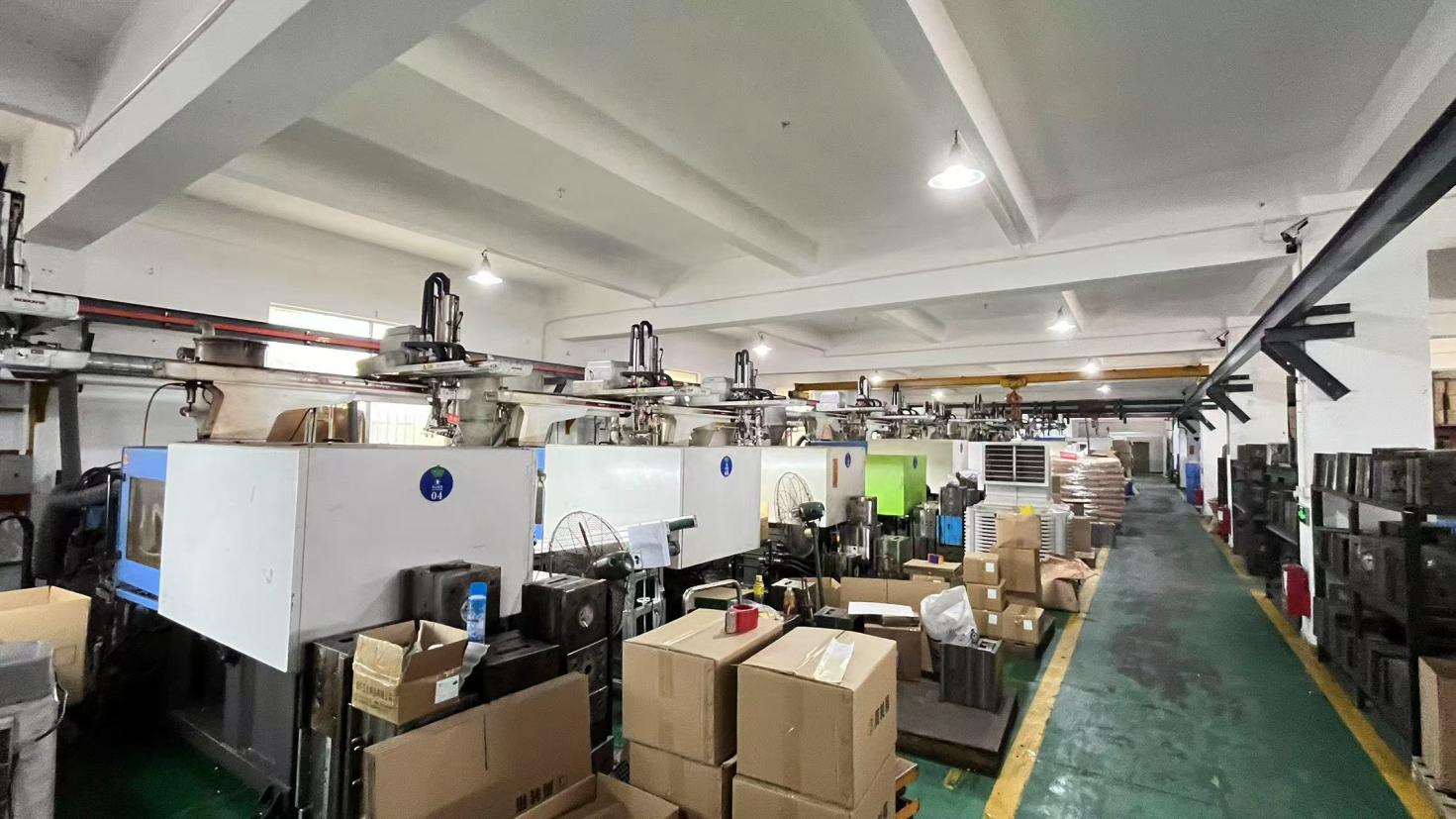
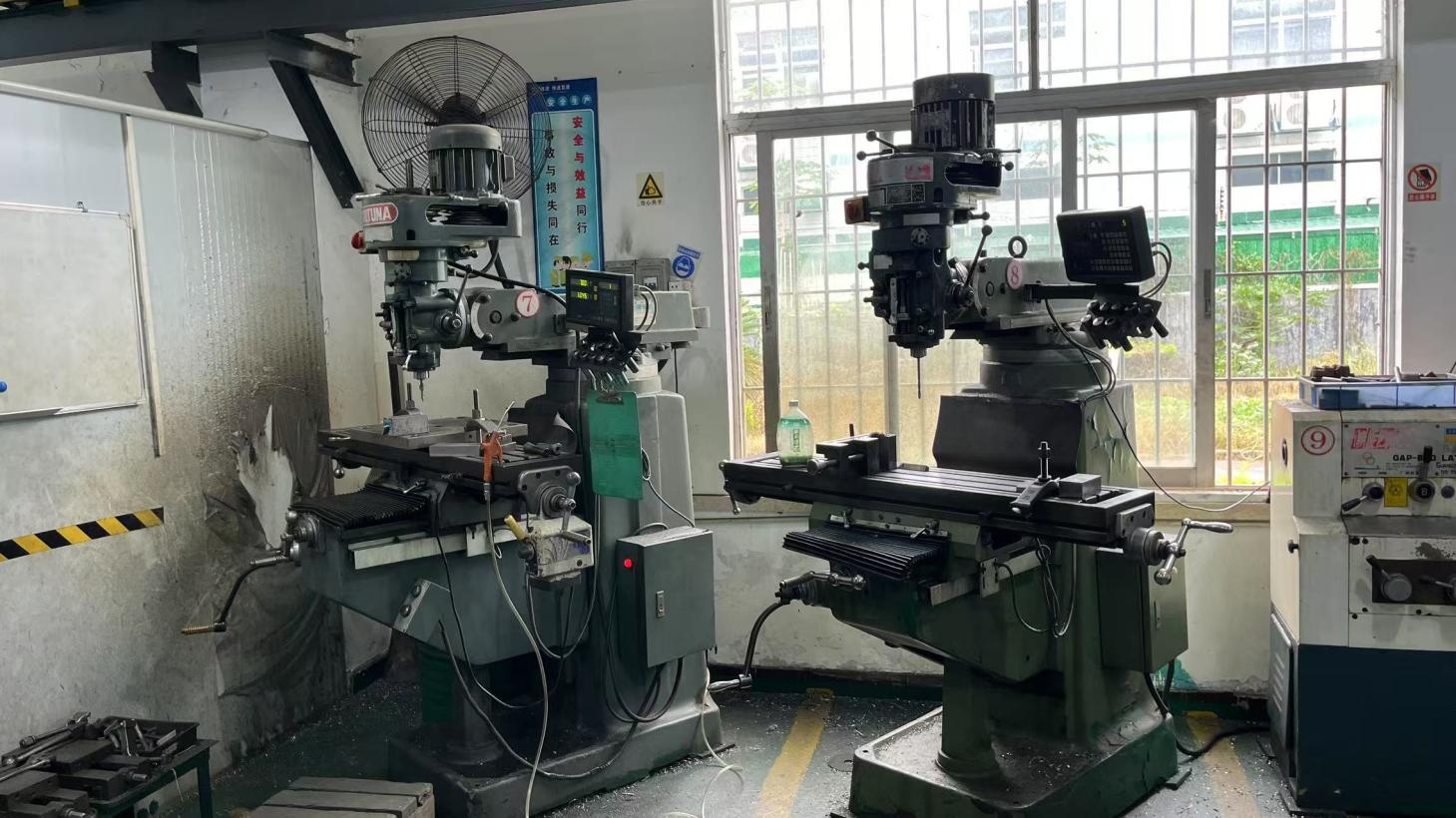
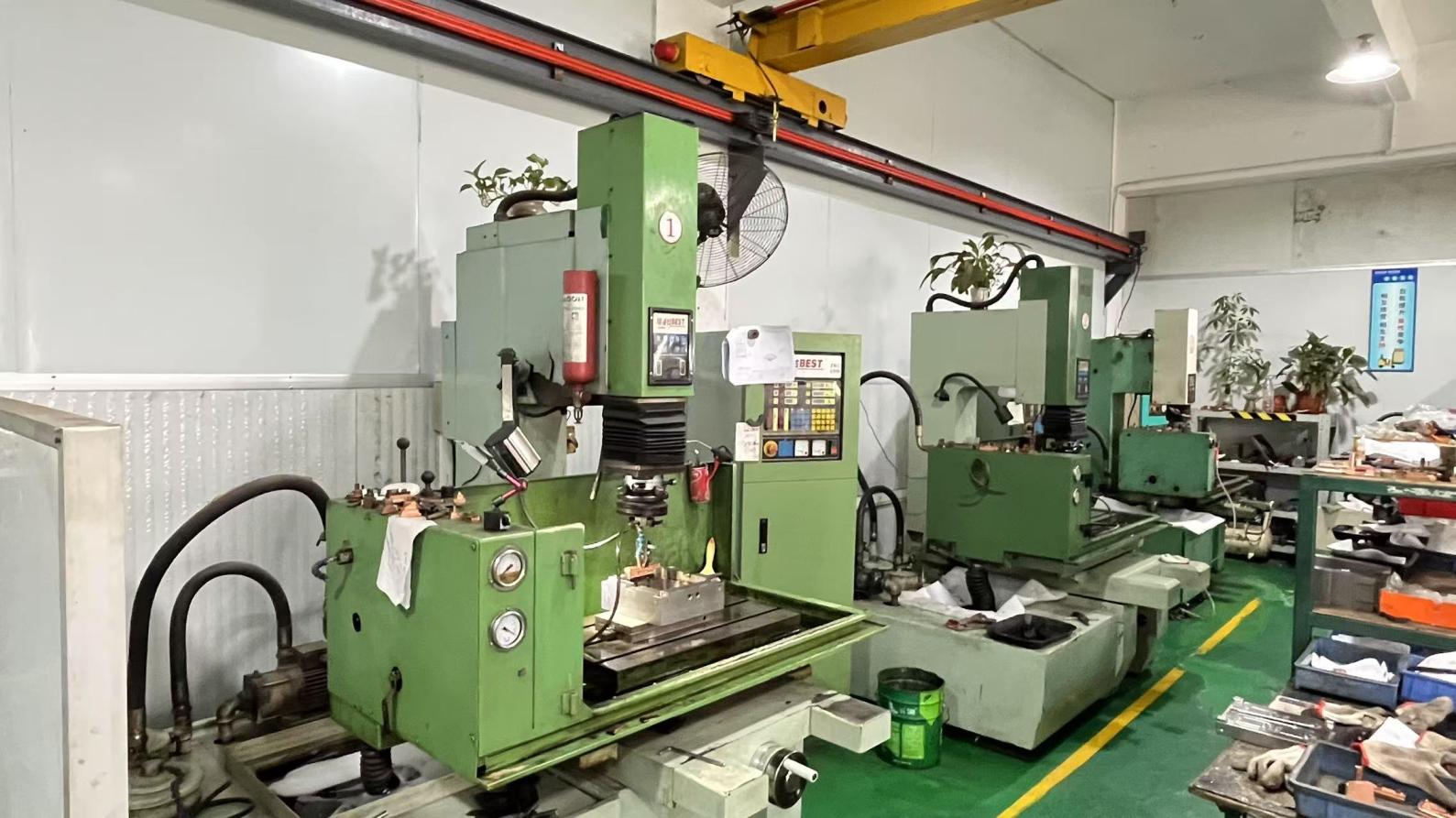
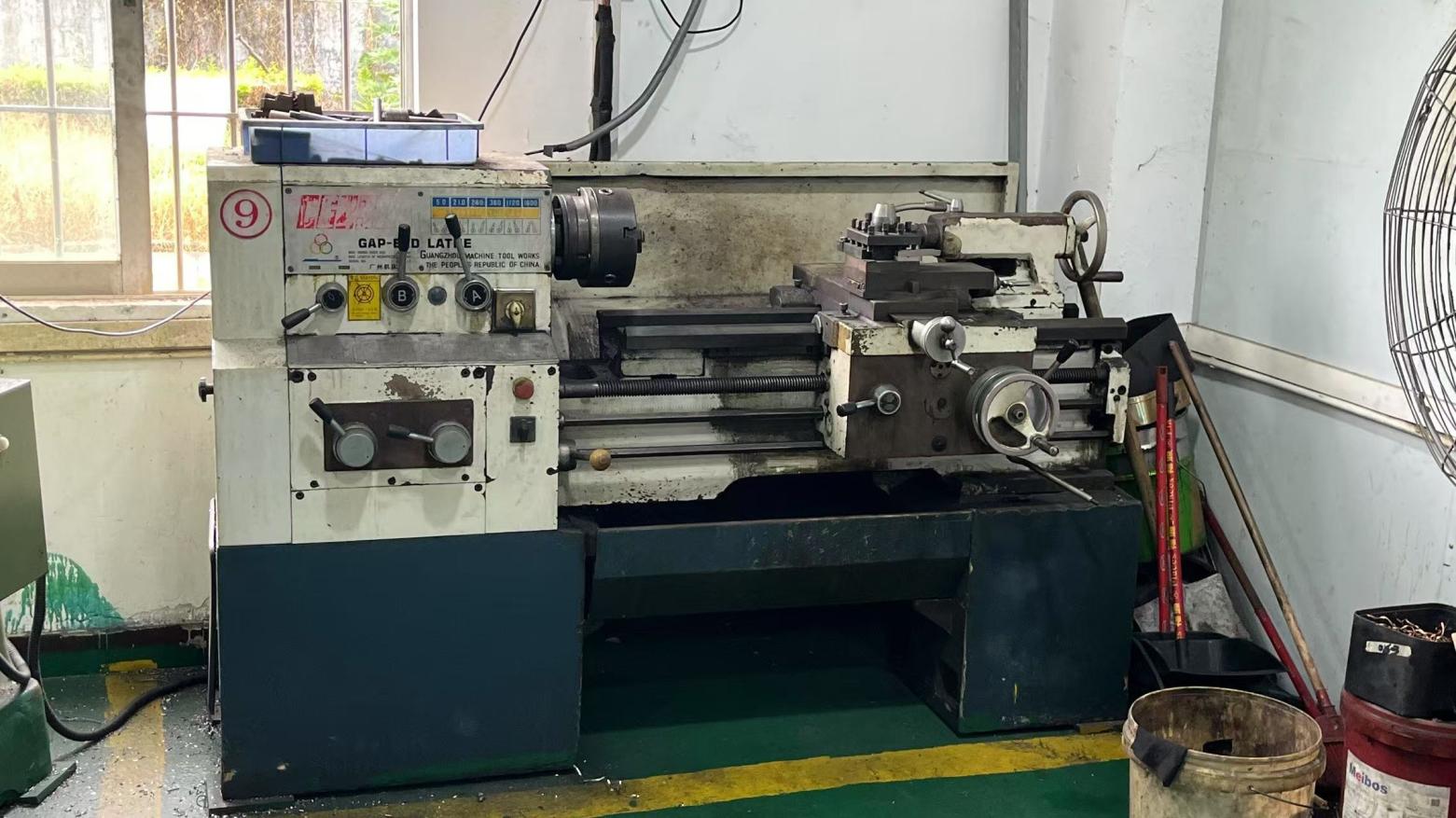
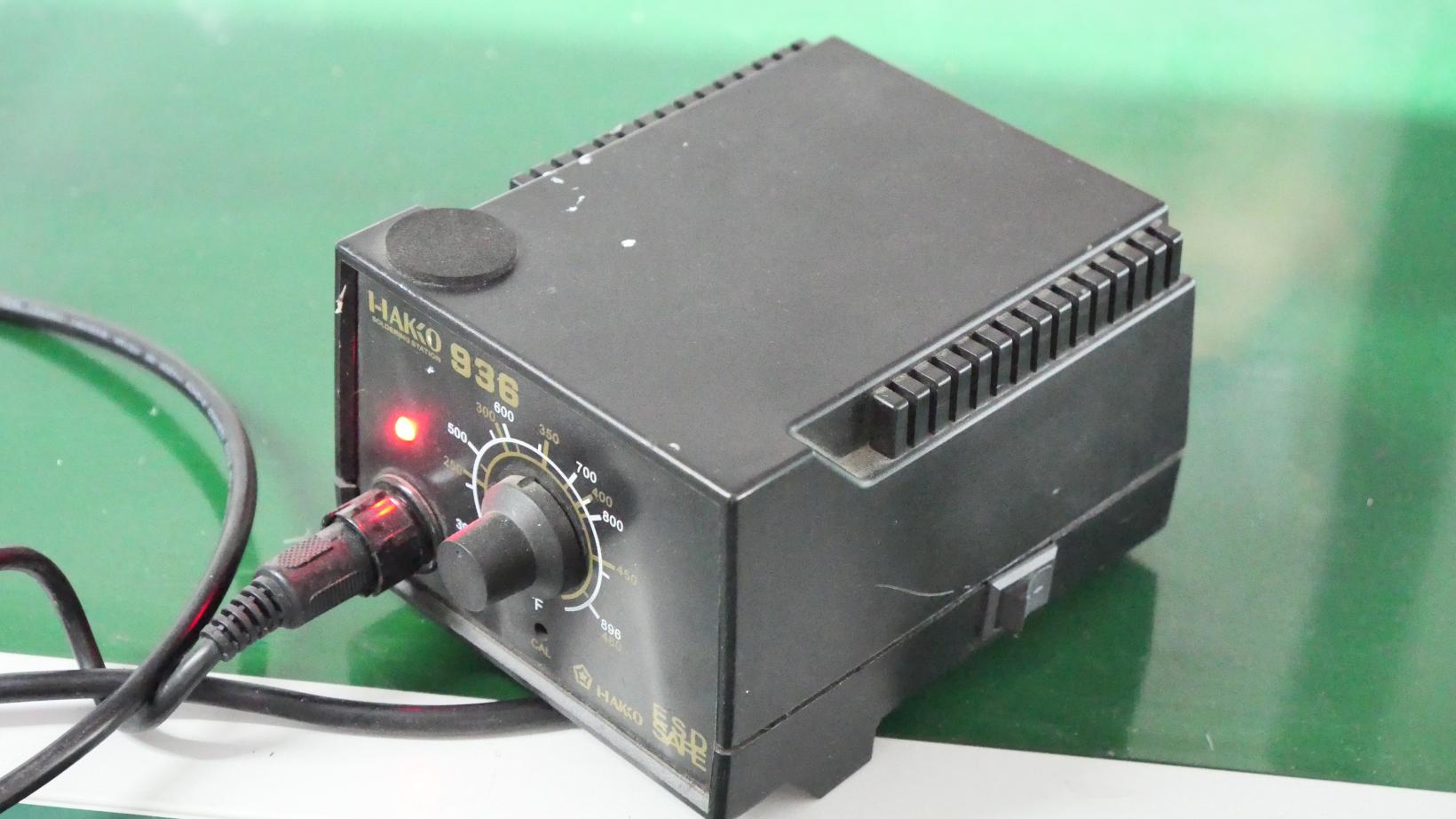
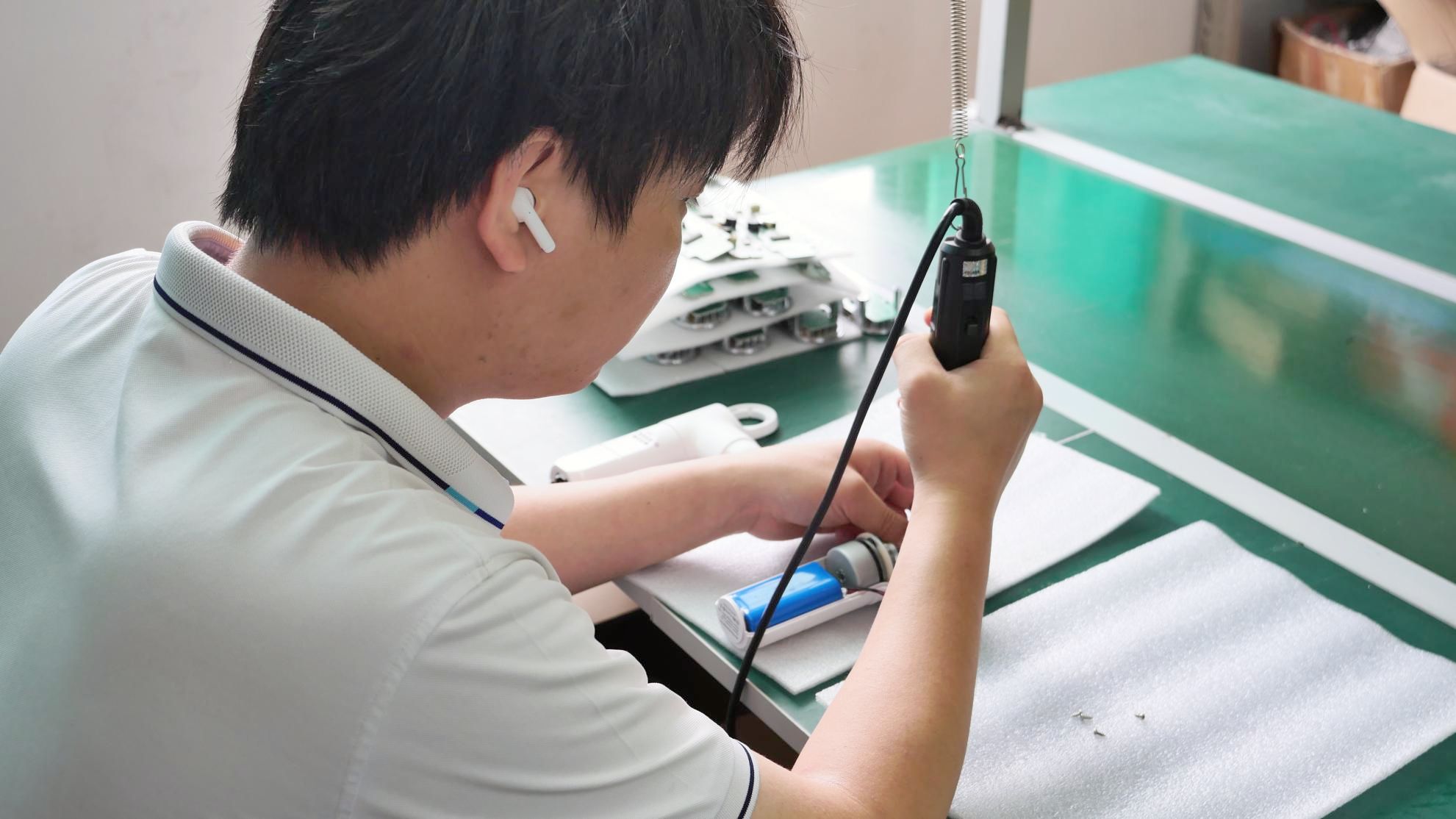
The hardware integration of a high-performance facial exfoliator requires a multi-tiered supply chain. The primary housing must be molded from biocompatible, chemical-resistant polymers like food-grade ABS or polycarbonate to withstand skincare formulations and cleansing solutions. The active components—ranging from ultra-high frequency sonic motors to microcurrent control boards—must maintain rigorous output stability to prevent skin irritation or burns.
China's Pearl River Delta offers a unique industrial ecosystem that makes sourcing from local factories highly efficient:
For enterprise buyers in North America, Europe, and Asia-Pacific, regulatory compliance is the single most critical factor in their sourcing strategy. A beauty device that fails local electrical safety, electromagnetic compatibility, or material safety audits can result in costly customs seizures or product recalls.
Guangzhou Luminor Beauty ensures absolute peace of mind through a robust quality assurance framework built around international standards:
In addition, Luminor's in-house laboratory conducts continuous aging tests on all devices, running motors and batteries continuously for up to 500 hours to calculate Mean Time Between Failures (MTBF) and verify long-term reliability.
The facial exfoliation market is moving away from generic products toward targeted, personalized solutions. Advanced technology now allows users to customize their treatments based on skin type and condition, combining exfoliation with active ingredient absorption:
Understanding how target consumers use these devices is key for planning your marketing and distribution:
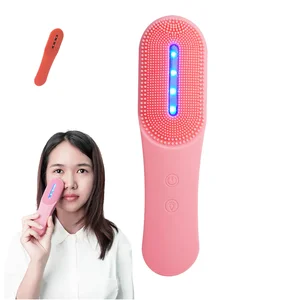
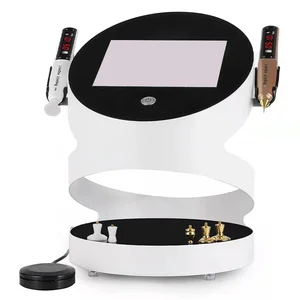
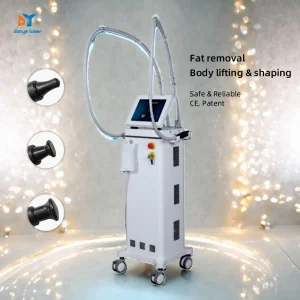
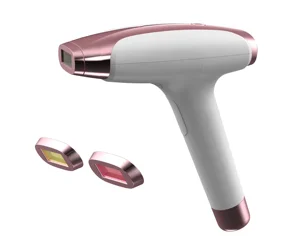
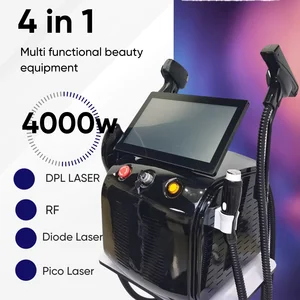
 Luminor Beauty