Explore our premium medical-grade and home-use beauty systems, designed with high stability, precise wavelengths, and ergonomic form factors.
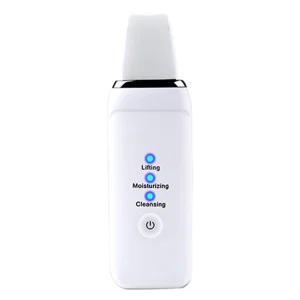
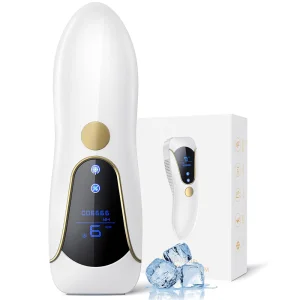
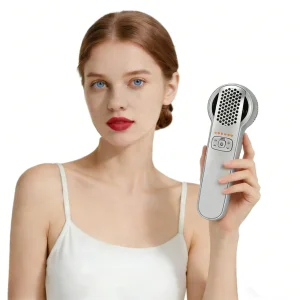
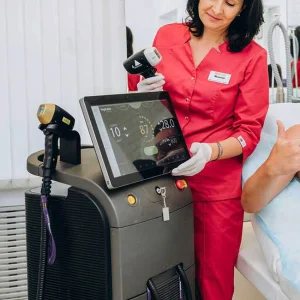
In modern clinical and cosmetic dermatology, LED (Light Emitting Diode) skin therapy has transitioned from an experimental aesthetic option to an essential clinical method. The process, scientifically known as photobiomodulation (PBM), relies on cellular absorption of specific narrow-band light wavelengths. Unlike generic lighting systems, clinical phototherapy requires precise control over spectral purity, heat regulation, and optical irradiance.
Each light wavelength acts on a specific cellular target. For example, Red Light (630nm – 660nm) is absorbed by cytochrome c oxidase within the mitochondrial respiratory chain. This absorption stimulates adenosine triphosphate (ATP) synthesis, upregulates fibroblast activity, and accelerates collagen synthesis. Near-Infrared (NIR) Light (830nm – 850nm) penetrates deeper subcutaneous layers, reducing inflammation, accelerating wound healing, and improving microcirculation. Conversely, Blue Light (415nm – 420nm) targets porphyrins produced by Cutibacterium acnes, causing a photodynamic reaction that releases singlet oxygen to kill acne-causing bacteria without harming the surrounding skin tissue.
Many mass-market beauty devices fail to achieve clinical results due to "wavelength drift." When LEDs operate without proper thermal management, heat buildup shifts the output wavelength (e.g., from 633nm to 645nm), moving it outside the target absorption band of cytochrome c oxidase. Luminor Beauty resolves this issue by integrating custom-molded aluminum heat sinks and precision constant-current circuitry, keeping wavelength drift within a strict ±3nm tolerance.
Distributors, medical spas, and cosmetic brands searching for a reliable partner in China face significant challenges with quality variation. Key factors that determine a product's market success and regulatory compliance include:
Founded over 12 years ago, Guangzhou Luminor Beauty Co., Ltd. is a comprehensive manufacturing enterprise that integrates research and development, custom tooling, injection molding, scale assembly, and international sales. We specialize in aesthetic medical and beauty equipment, expanding from professional-grade clinical devices to high-end home-use systems.
Our core mission is to bridge the gap between clinical phototherapy performance and accessible, ergonomic home beauty devices. By utilizing our expertise in medical laser, radiofrequency (RF), and ultrasonic technology, we design devices that allow users to achieve professional-grade results safely and reliably at home.
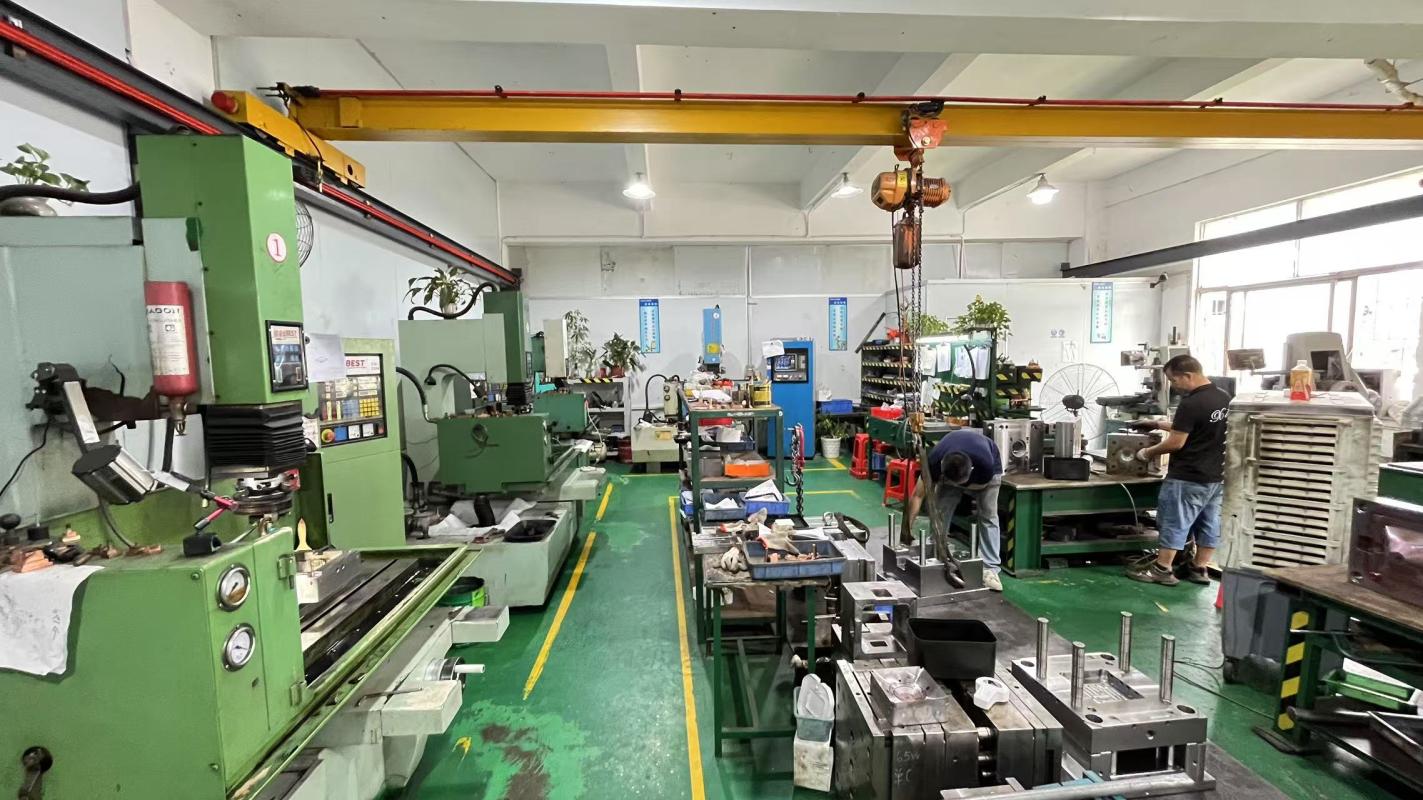
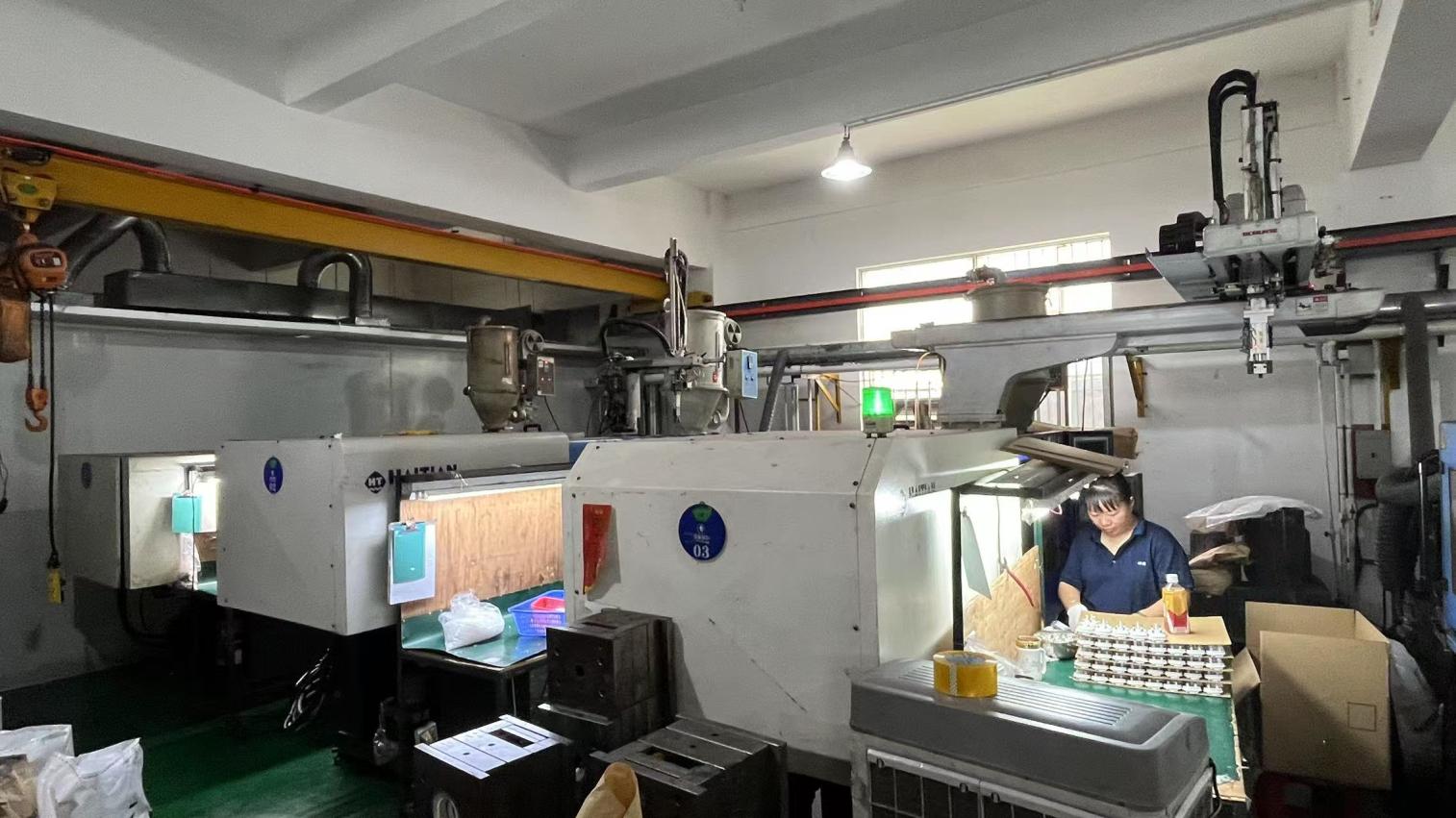
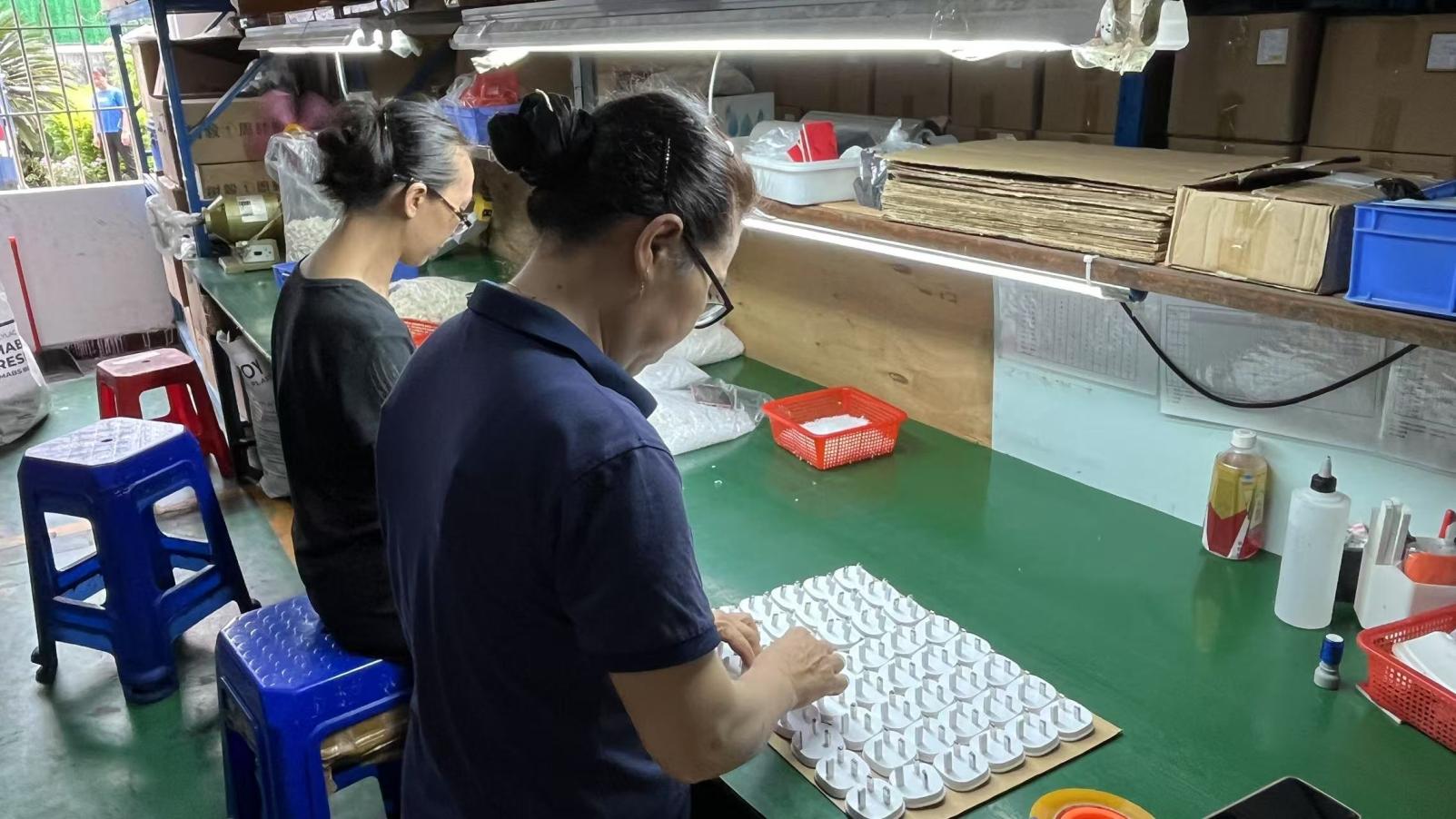
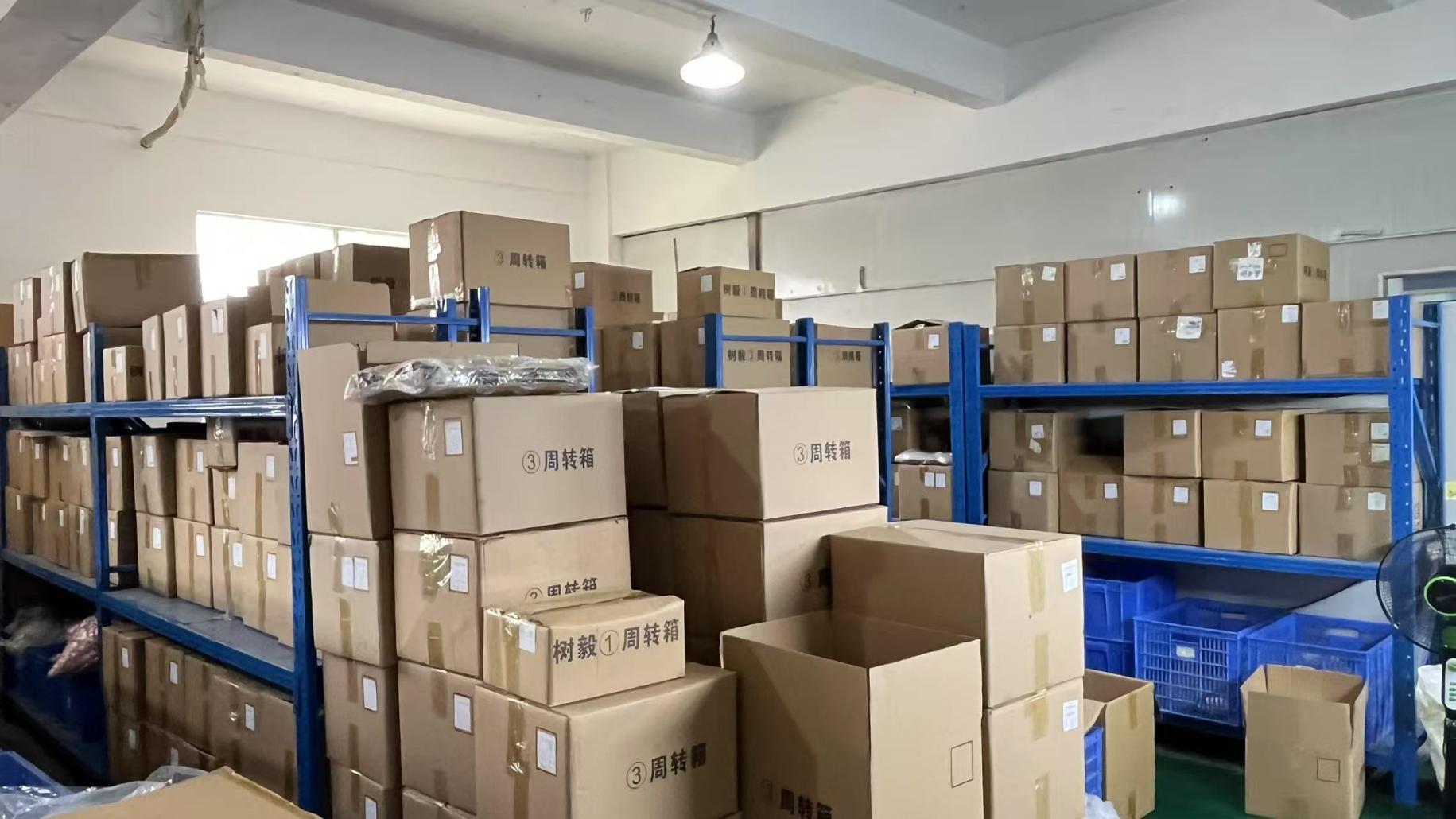
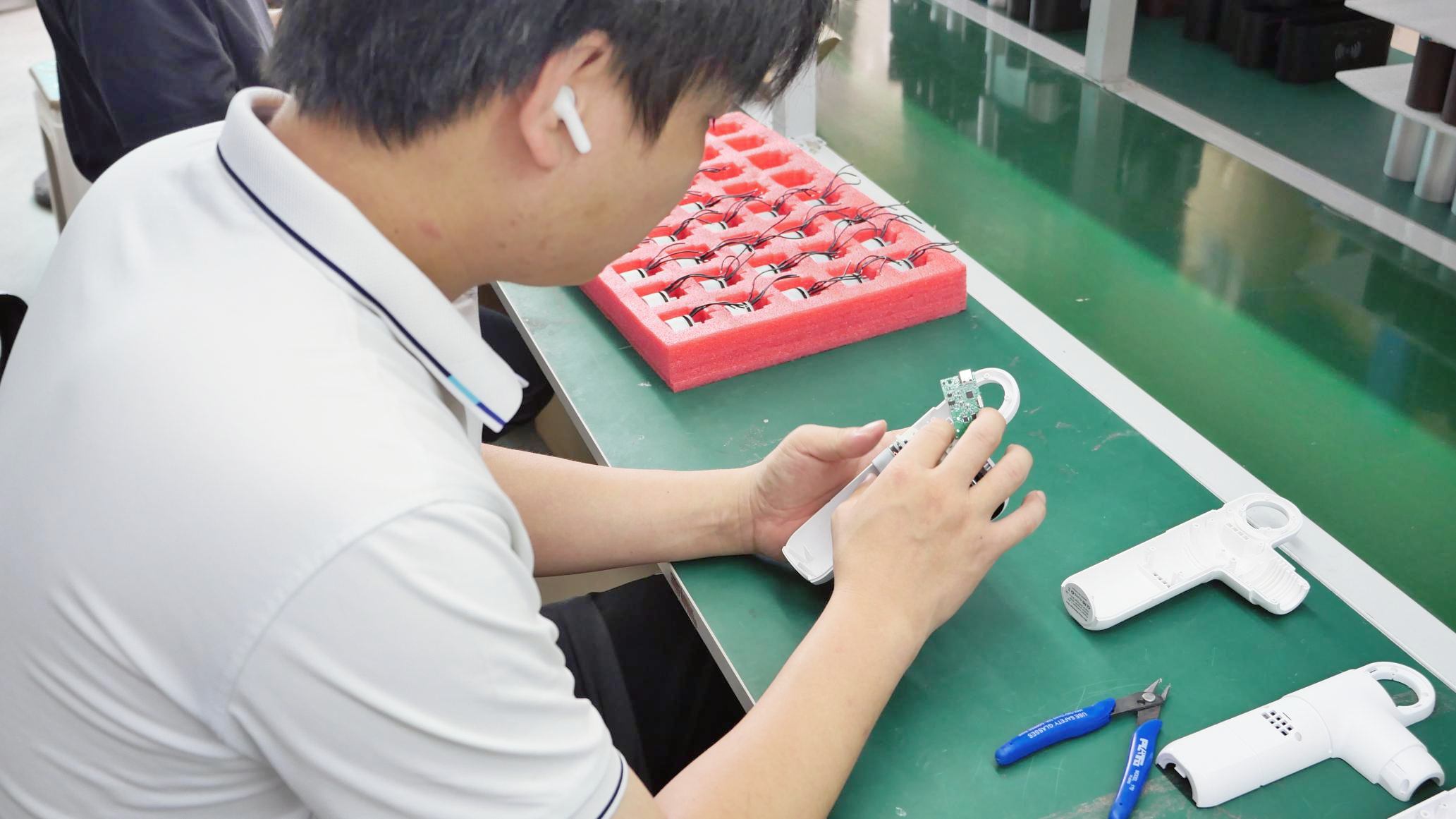
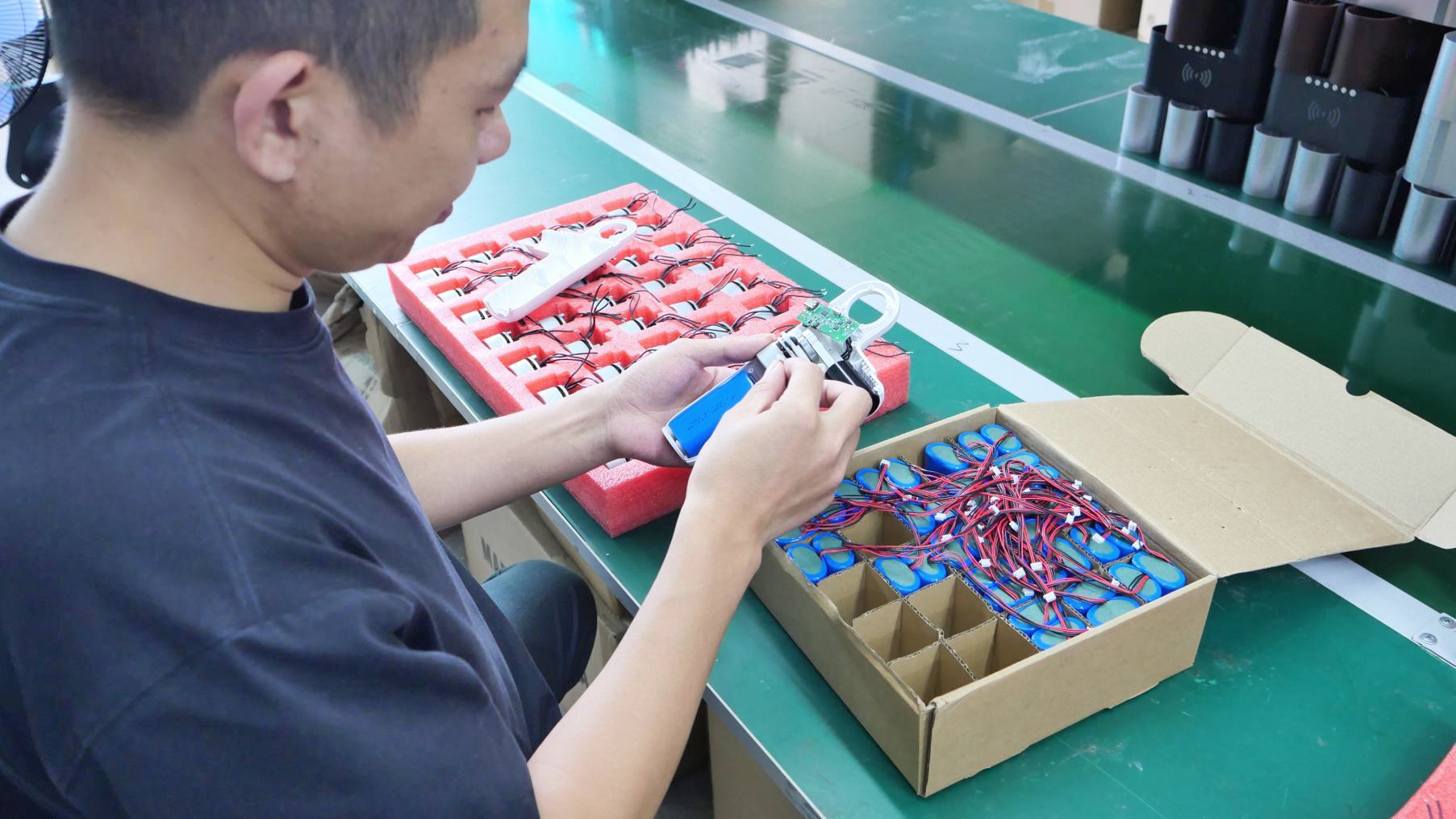
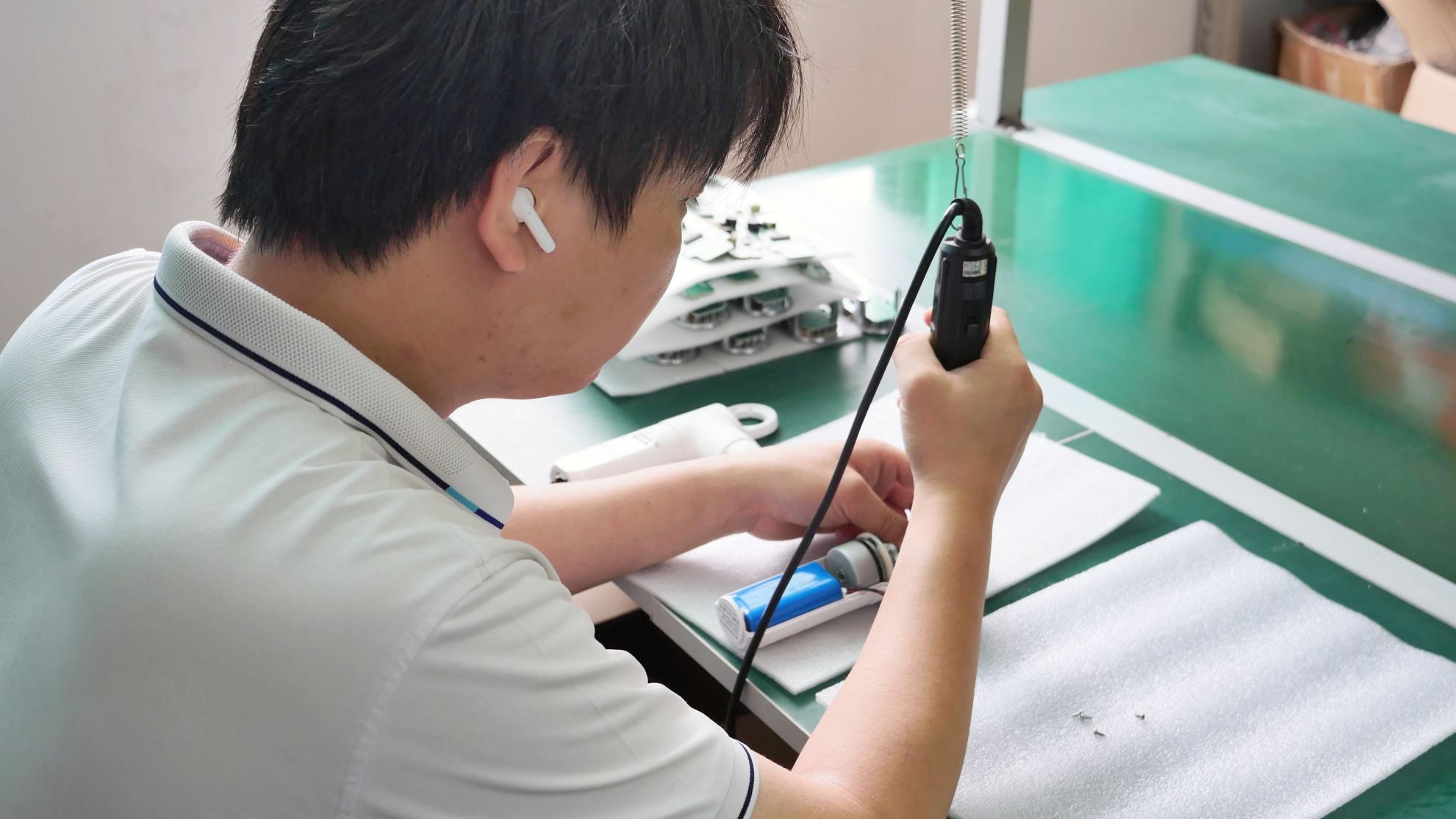
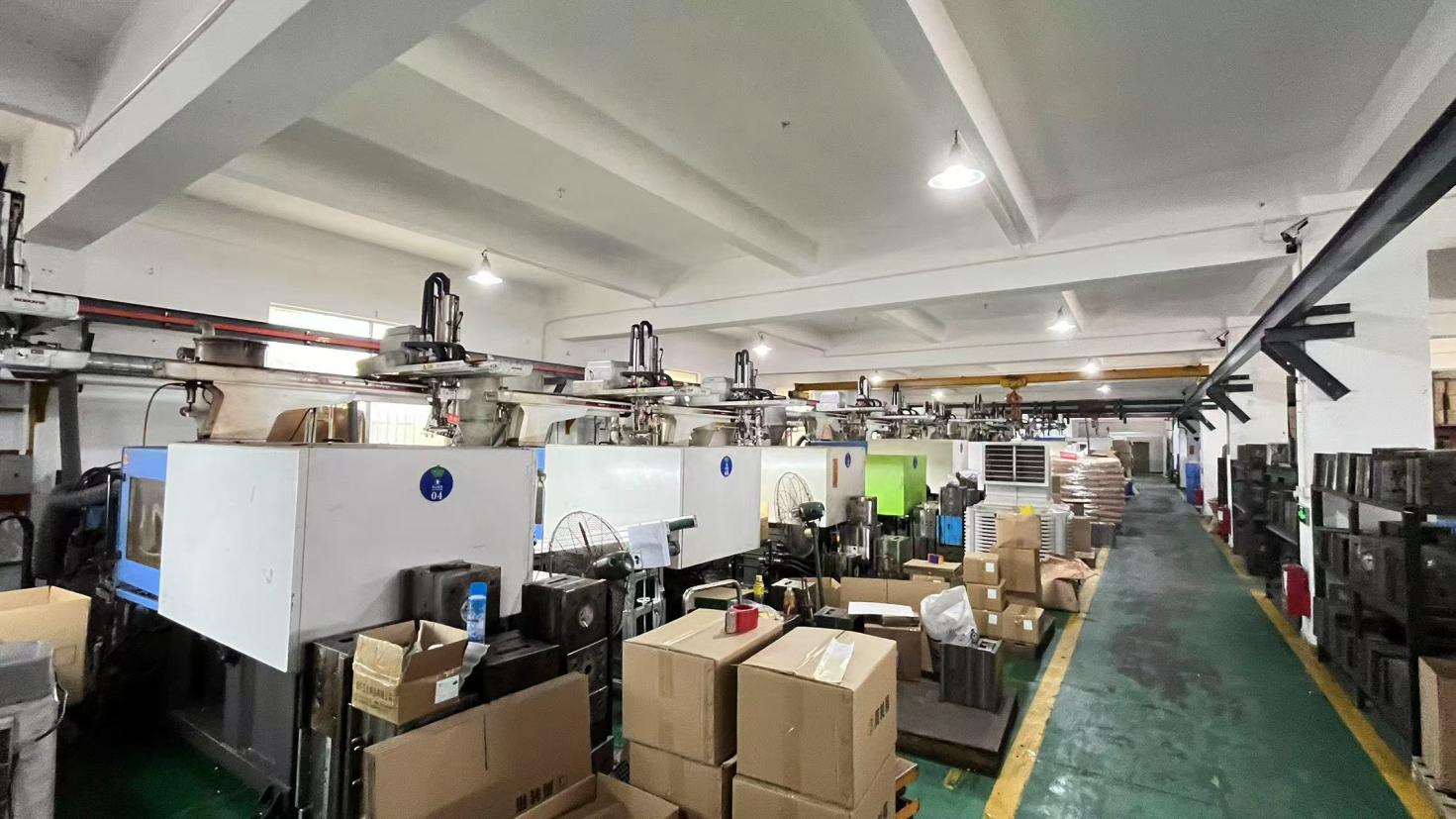
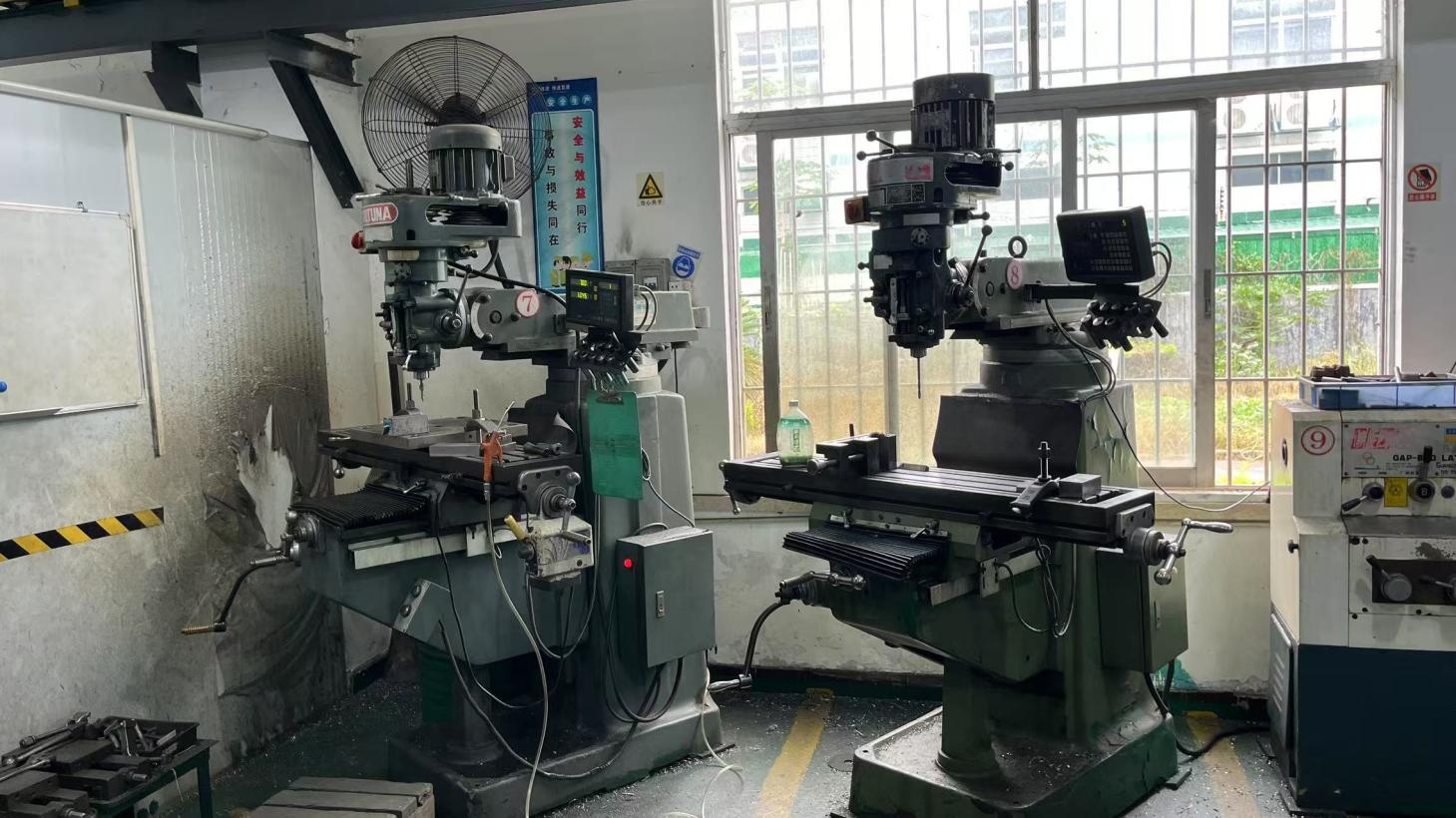
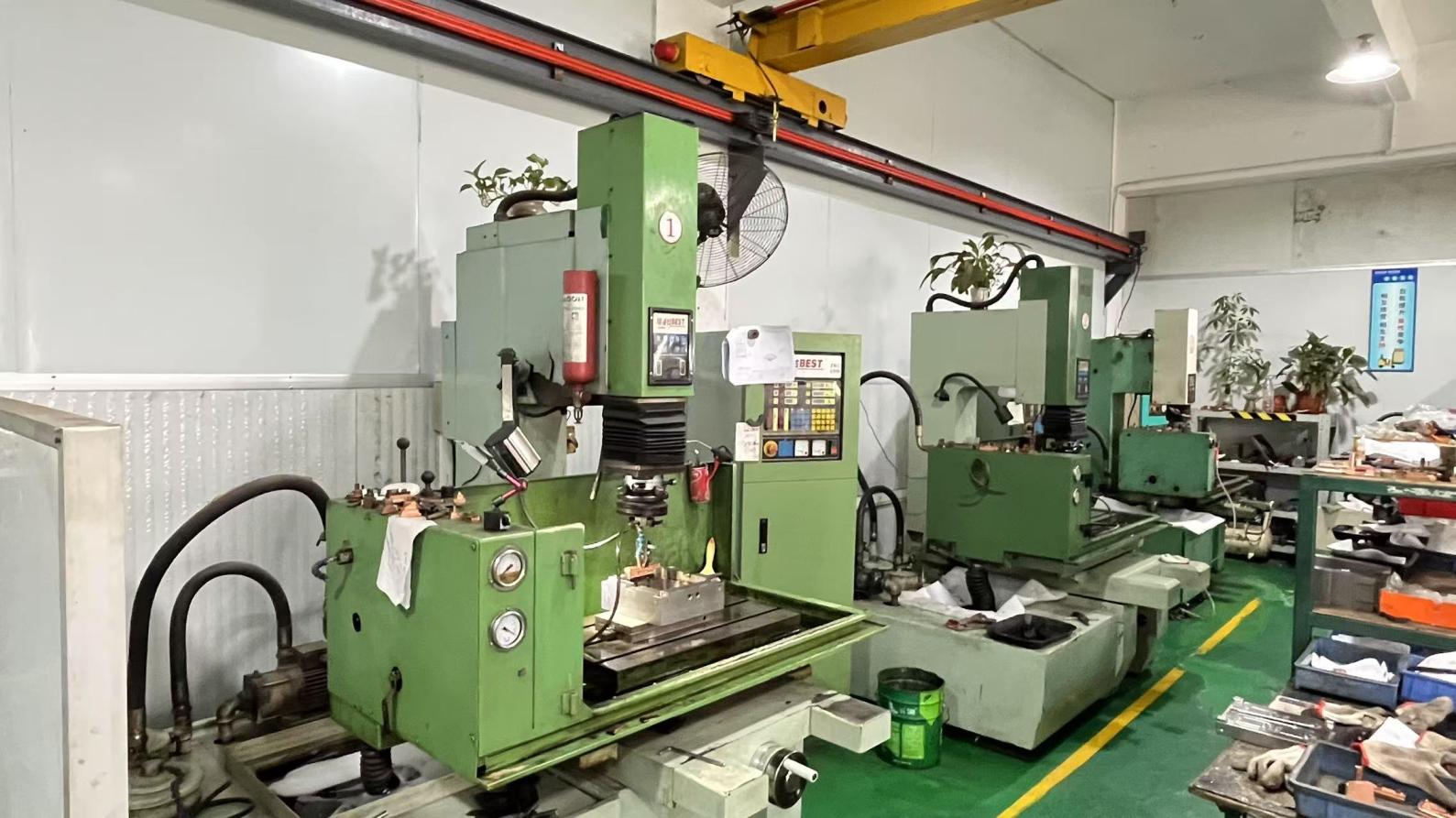
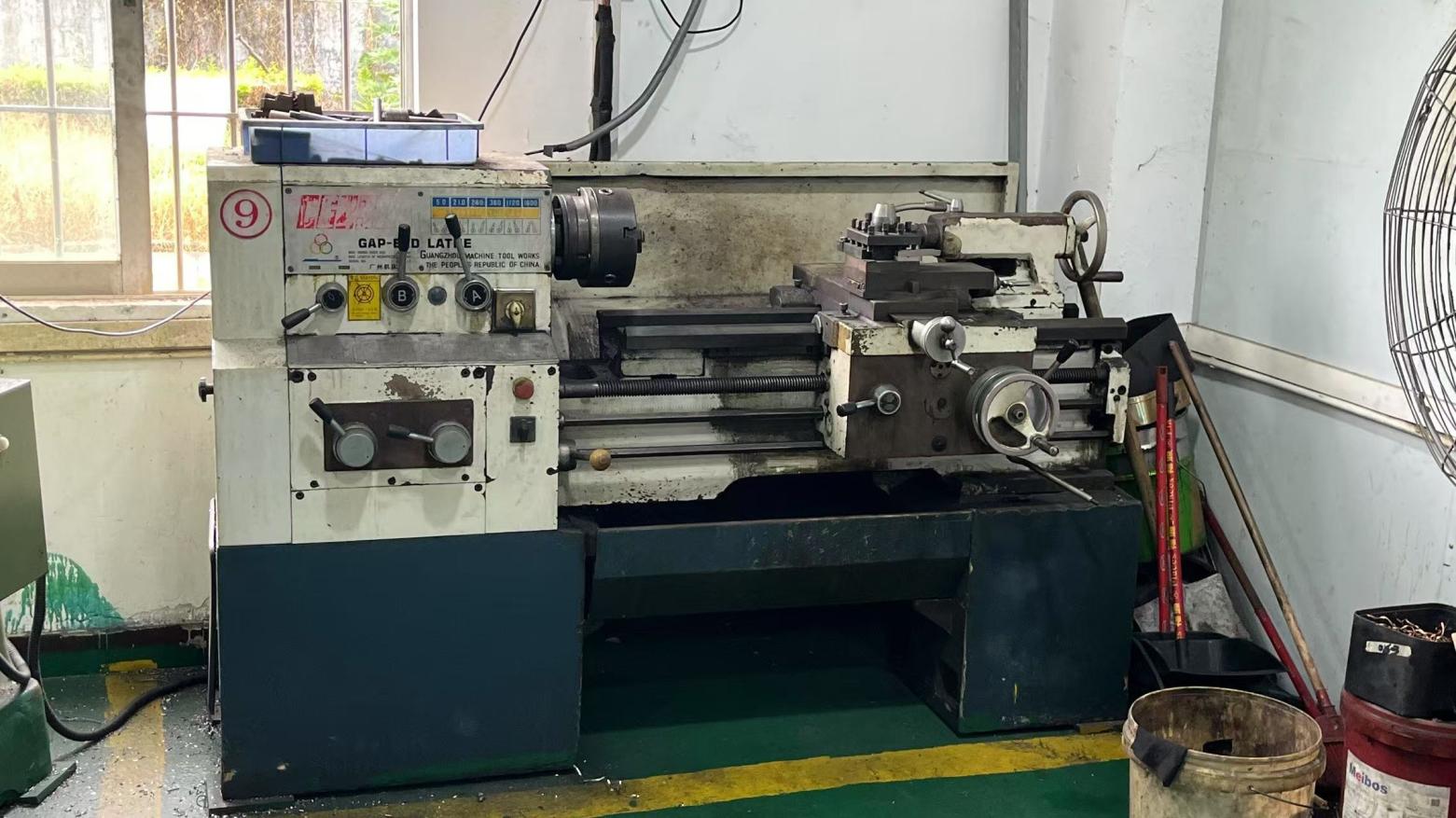
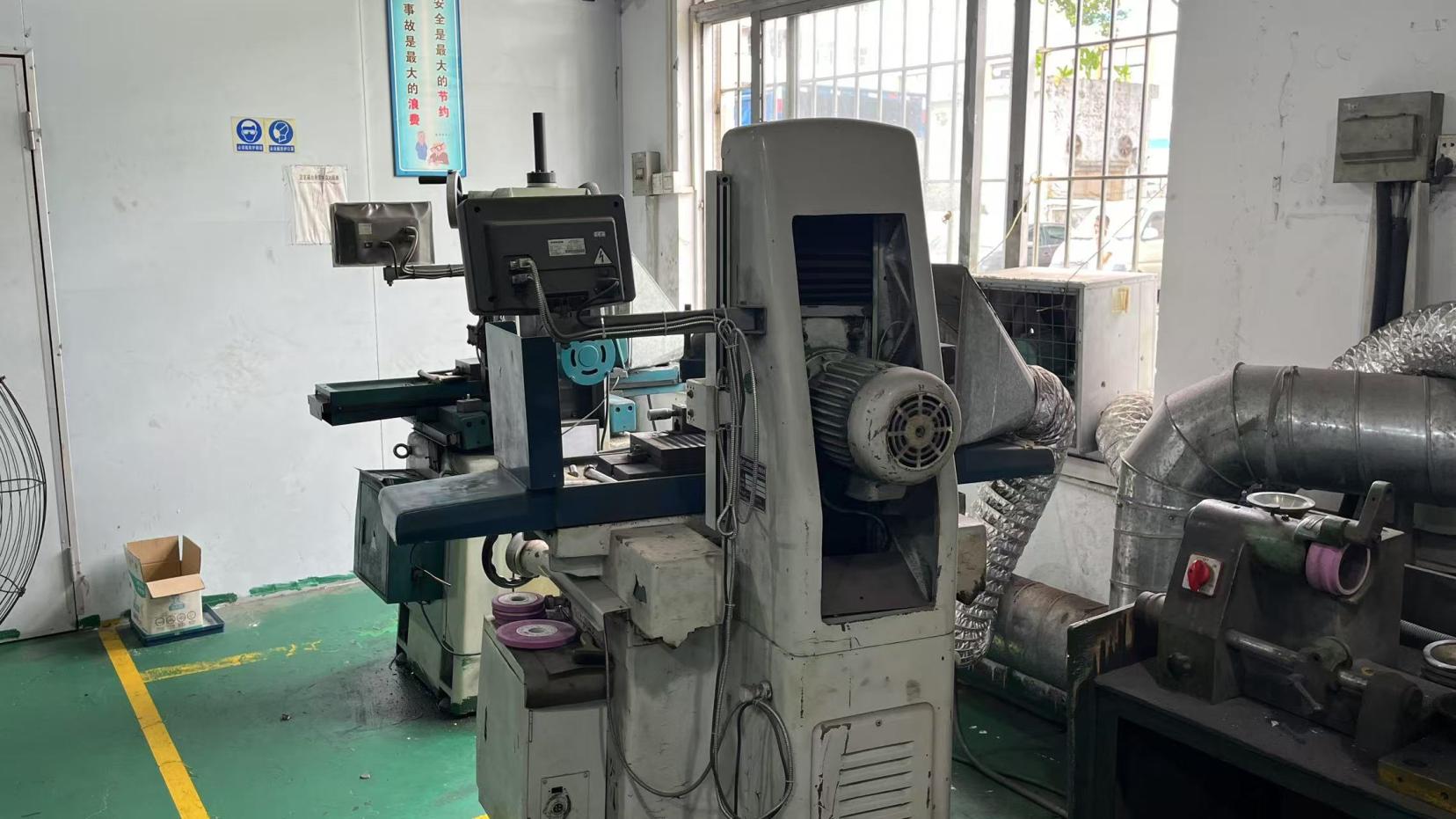
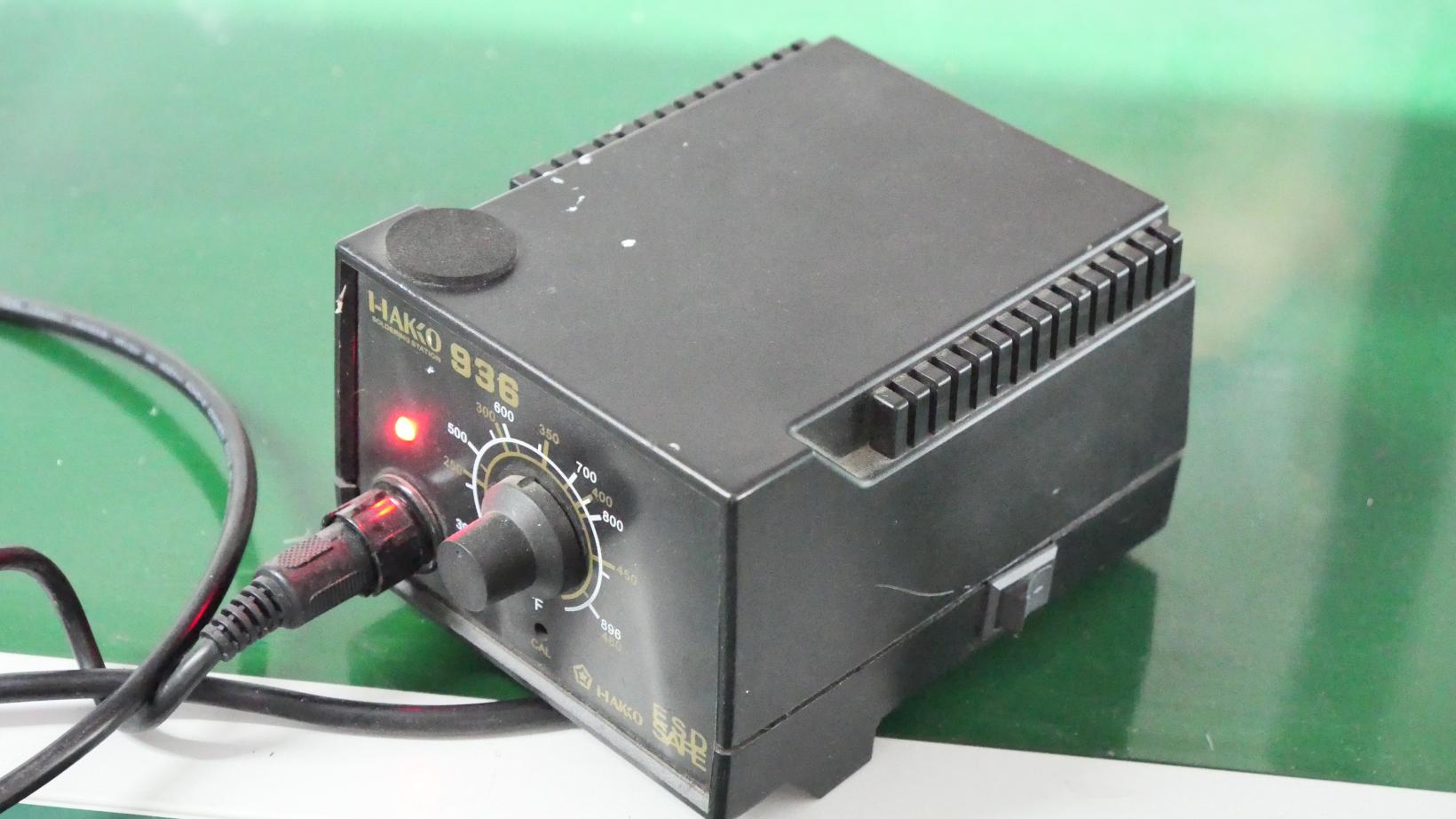
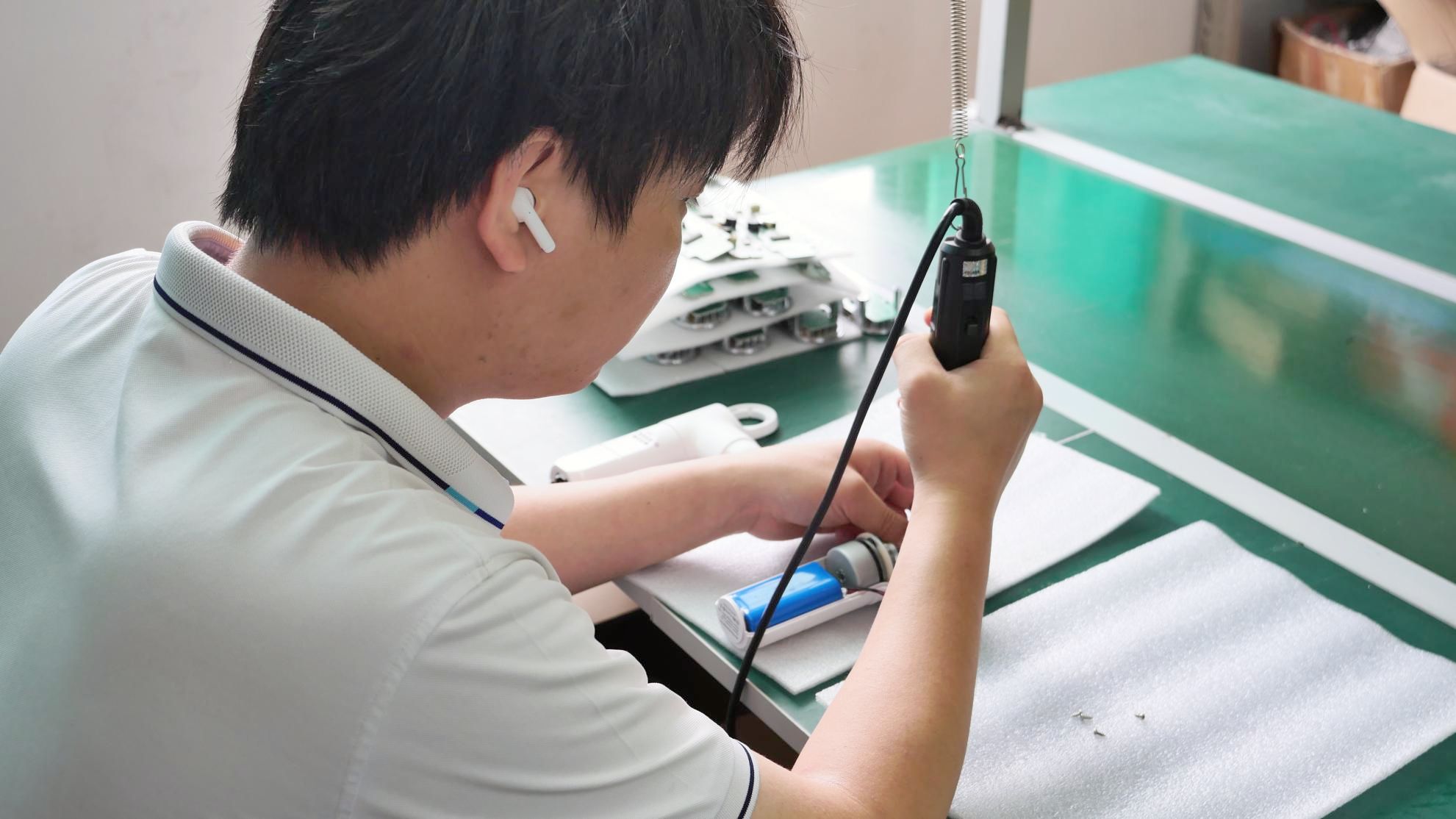
Inside Guangzhou Luminor Beauty's integrated manufacturing center. From raw steel tooling to final electronic assembly, we maintain control over every step of the production process.
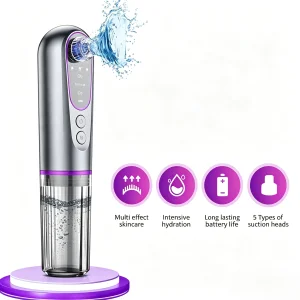
The global aesthetic device market is moving away from single-wavelength, single-function units. Today's commercial beauty clinics and home-use consumers prefer multi-mode systems. Platforms that combine LED phototherapy with complementary modalities—such as ultrasonic scrubbers, vacuum blackhead suction, high-frequency ozone generators, and thermoelectric cryotherapy—deliver higher clinical value and better ROI.
Luminor Beauty designs its manufacturing system to address this market shift. By maintaining a 20-engineer research division, we developed integrated control systems capable of managing multi-energy outputs. This includes coordinating high-frequency vibration, thermal cooling/warming cycles, and LED light generation within single, user-friendly control layouts.
Guangzhou's advanced manufacturing ecosystem allows us to achieve short development cycles for new products. Our 4,000-square-meter facility features a dedicated tooling shop, metal stamping, high-capacity plastic injection molding machinery, and precise electronic assembly lines.
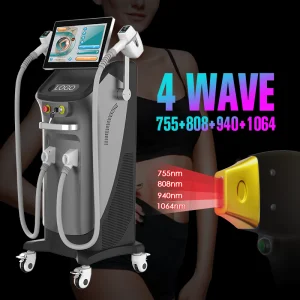
This integrated production structure helps mitigate global logistics risks. Controlling tooling and injection molding internally reduces our reliance on third-party suppliers, lowers overhead costs, and speeds up product delivery times. Whether you require an OEM run of portable ultrasonic scrubbers or an ODM design of clinical-grade multi-wavelength diode laser systems, our production lines maintain strict quality control from raw materials to final shipping.
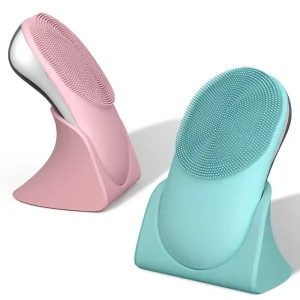
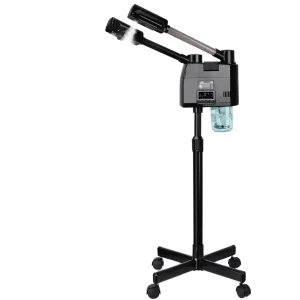
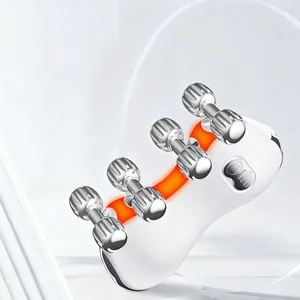
Discover our range of advanced skin cleansers, facial steamers, microcurrent stimulators, and professional-grade skincare equipment.
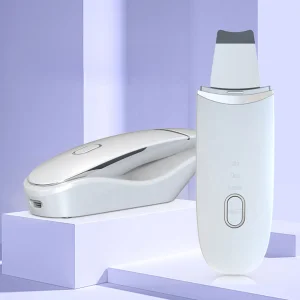
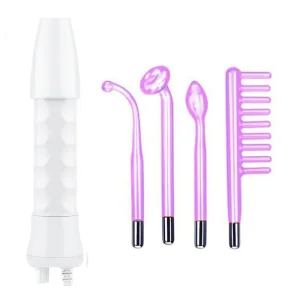
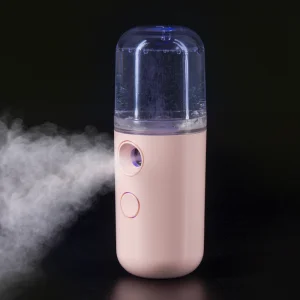
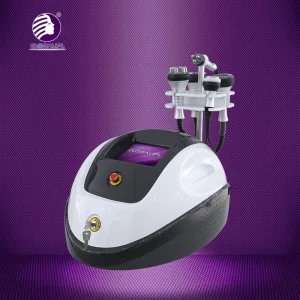
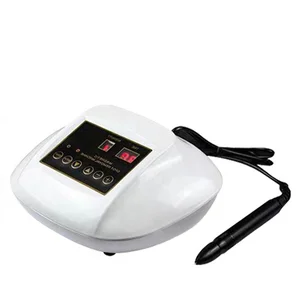
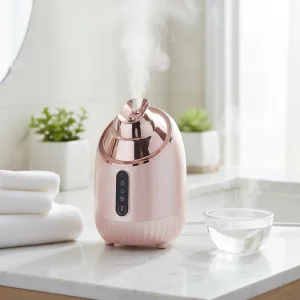
Essential guidance on importing LED phototherapy devices and choosing the right OEM/ODM manufacturing setup in China.
The primary differentiators are optical irradiance (measured in mW/cm²), wavelength accuracy, and surface area coverage. Clinical-grade panels typically deliver between 50 to 105 mW/cm² at targeted treatment distances, allowing for shorter session times. Consumer-grade home-use devices generally run at lower irradiance levels (e.g., 5 to 20 mW/cm²) to ensure user safety during self-administration. In both categories, maintaining wavelength precision (±3nm to ±5nm) is essential for effective cellular stimulation.
Wavelength stability is highly dependent on junction temperature. When LED chips run continuously, they generate heat. Without adequate thermal dissipation, this thermal load shifts the emission spectra, reducing treatment efficacy. We address this by integrating custom-profiled aluminum heatsinks and constant-current drivers into our product casings, keeping temperature levels below critical thresholds to prevent spectrum drift.
Yes. Our in-house circuit design and assembly teams allow us to configure customized spectral arrays. We can develop target-specific circuit boards incorporating combinations of Blue (415nm), Yellow (590nm), Red (633nm), and Near-Infrared (850nm) LEDs based on your market requirements and clinical goals.
We work with international testing agencies like SGS and Intertek. Our products are designed to meet CE, RoHS, and FCC standards. Our manufacturing facility follows strict ISO 13485 (Medical Devices Quality Management Systems) and ISO 9001 standards, providing the necessary documentation and test reports for global compliance.
Our internal mold-making shop (equipped with Milling Machines, EDM, and Lathes) allows us to design and build custom plastic injection molds within our own facility. This vertical integration keeps our tooling costs 30% to 40% lower than manufacturers who outsource, while reducing sample approval cycles down to 25 to 35 days.
 Luminor Beauty