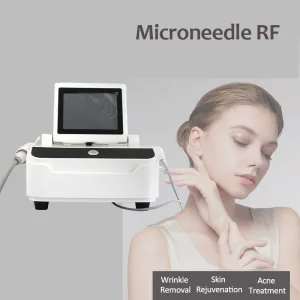
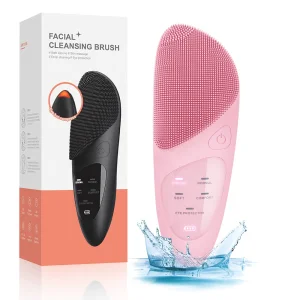
Explore our elite selection of professional-grade and home-use non-invasive mechanical exfoliation and structural skin rejuvenation solutions.
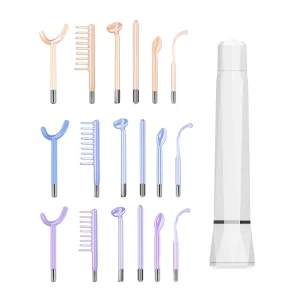
A analytical deep-dive into non-invasive mechanical resurfacing market trends, regulatory directions, and the dynamic supply-chain shifts.
The global aesthetic device market has entered a mature phase characterized by a substantial consumer preference pivot toward non-invasive skincare procedures. Among these, microdermabrasion—specifically diamond-tip microabrasion, hydradermabrasion, and crystal-peel exfoliation—continues to serve as the structural anchor for medical spas, clinical dermatology centers, and home-use skincare systems. According to recent macro-economic intelligence reports, the global microdermabrasion machine market is projected to reach USD 530 million by 2030, exhibiting a compound annual growth rate (CAGR) of 6.2%.
China's industrial manufacturing hubs, primarily concentrated in Guangzhou and Shenzhen, have emerged as the foundational suppliers to the global aesthetic market. The integration of vertical supply chains, structural component prototyping facilities, and digital component manufacturing has enabled Chinese exporters to supply high-end, reliable aesthetic systems at optimized price points. In this landscape, Guangzhou Luminor Beauty Co., Ltd. has positioned itself as an industry leader, deploying clinical-grade vacuum-pump technology, intelligent digital user-interfaces, and ISO 9001-compliant production setups to address strict medical and consumer standards across North America, Europe, and Asia-Pacific markets.
Decoupling mechanical exfoliation methodologies and engineering features of modern microdermabrasion platforms.
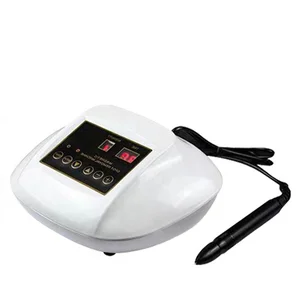
Utilizes abrasive diamond fragments bonded to stainless steel handpieces combined with adjustable vacuum suction. This clean, crystal-free technology allows precise exfoliation around delicate areas like the eyes and mouth, with zero risk of micro-particles entering the patient's respiratory tract.
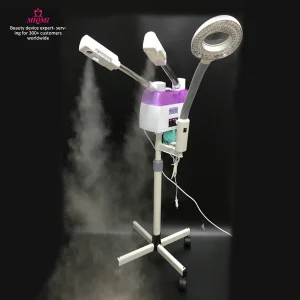
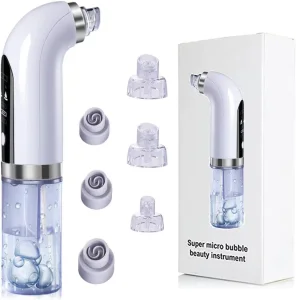
Simultaneously flushes pores, extracts sebum, and infuses condition-specific serums deep into the skin's layers. By combining mechanical suction with high-velocity liquid sprays, this modality maximizes skin cell turnover while keeping the skin hydrated, making it ideal for sensitive skin.
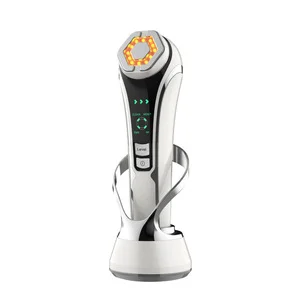
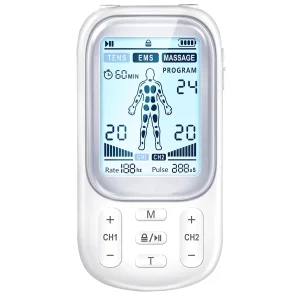
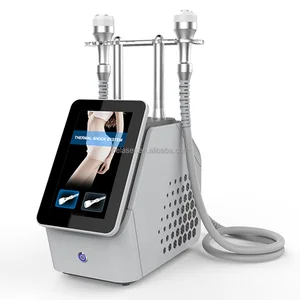
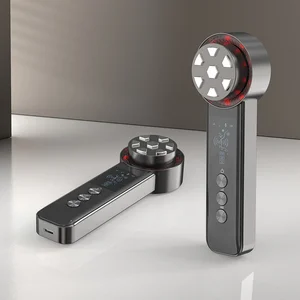
Contemporary aesthetic frameworks integrate microdermabrasion with secondary tightening technologies. Applying EMS (Electrical Muscle Stimulation), Photon therapy, and RF (Radio Frequency) post-abrasion significantly enhances collagen remodeling and accelerates tissue repair.
To succeed as a modern distributor or clinical practitioner, understanding these technological variations is essential. Classic microdermabrasion removes the outermost stratum corneum layers. However, when paired with high-frequency currents, microcurrent stimulation, or cryo-temperatures, it yields superior clinical results. Modern manufacturers now design modular platforms that allow operators to transition from mechanical suction and vacuum exfoliation to targeted microcurrent lifting or skin-tightening RF therapy in a single treatment session.
A deep look at our industrial infrastructure, engineering capabilities, and high-standard quality assurance processes.
Guangzhou Luminor Beauty Co., Ltd. was founded over 12 years ago and has developed into a comprehensive enterprise integrating R&D, manufacturing, sales, and after-sales service. The company specializes in the field of aesthetic medical and beauty devices, and has expanded its product portfolio to include both professional-grade equipment and home-use beauty devices. With a commitment to innovation, safety, and user experience, Luminor Beauty provides high-quality, reliable, and convenient aesthetic solutions for both global beauty professionals and home users.
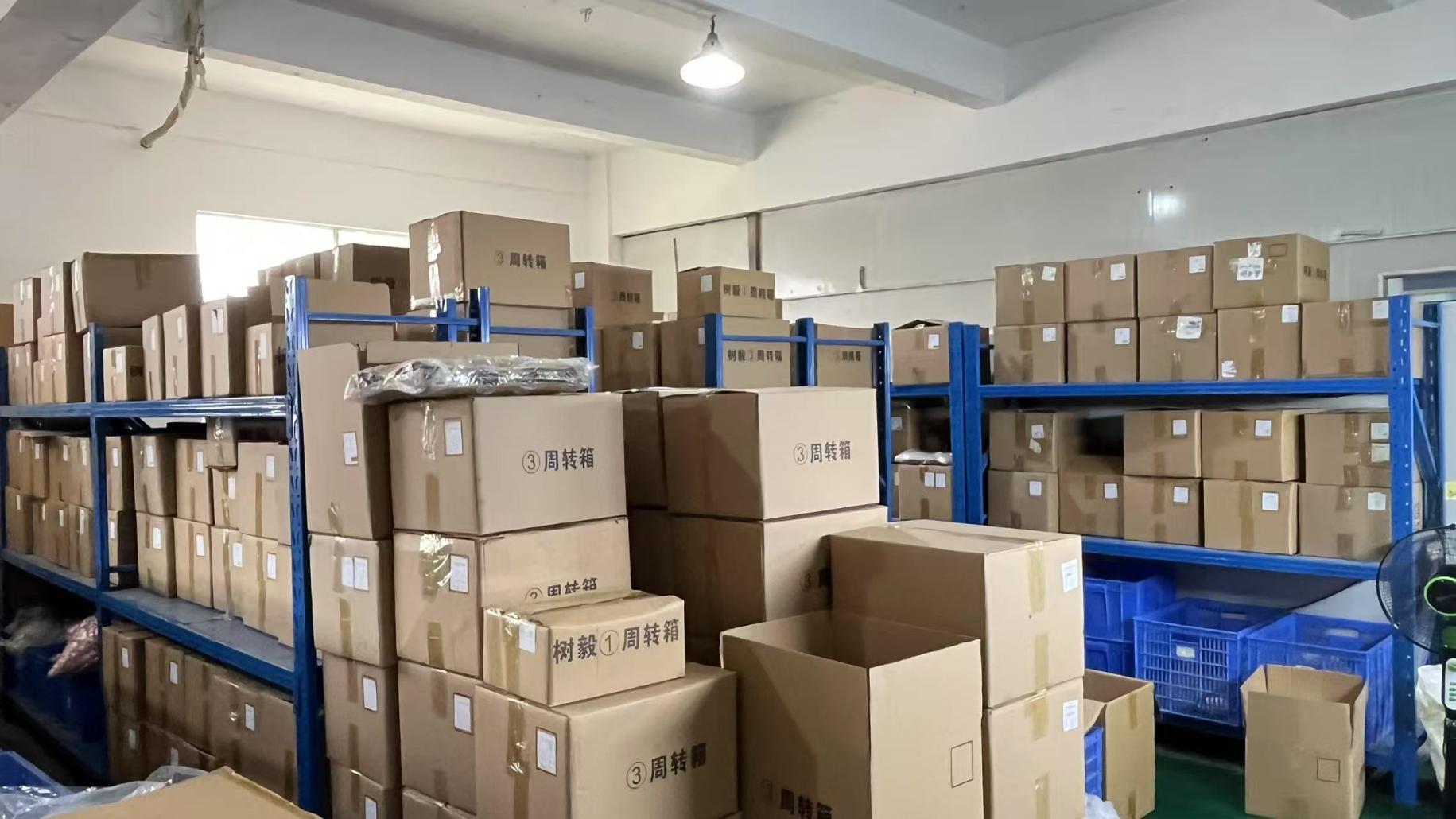
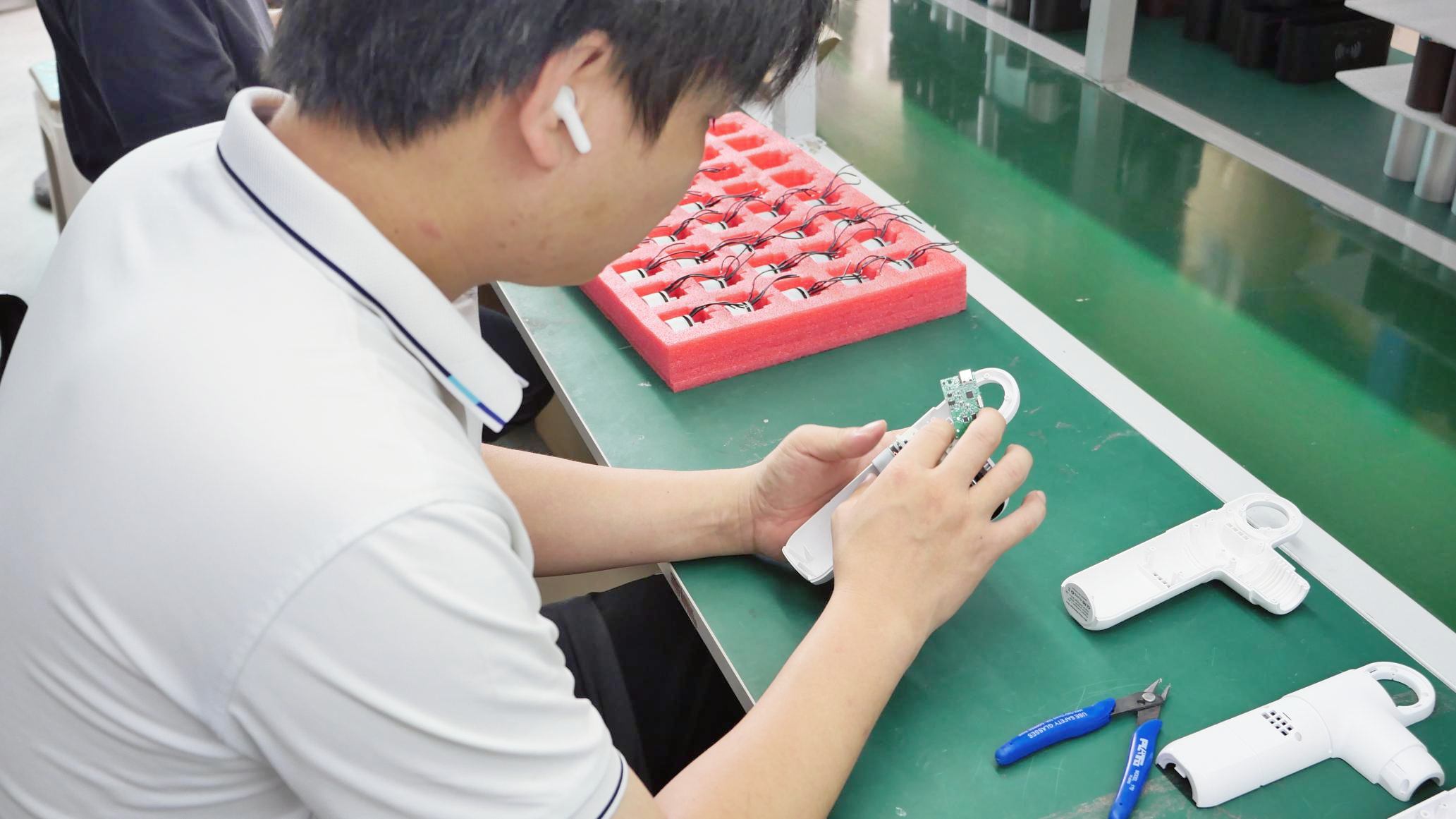
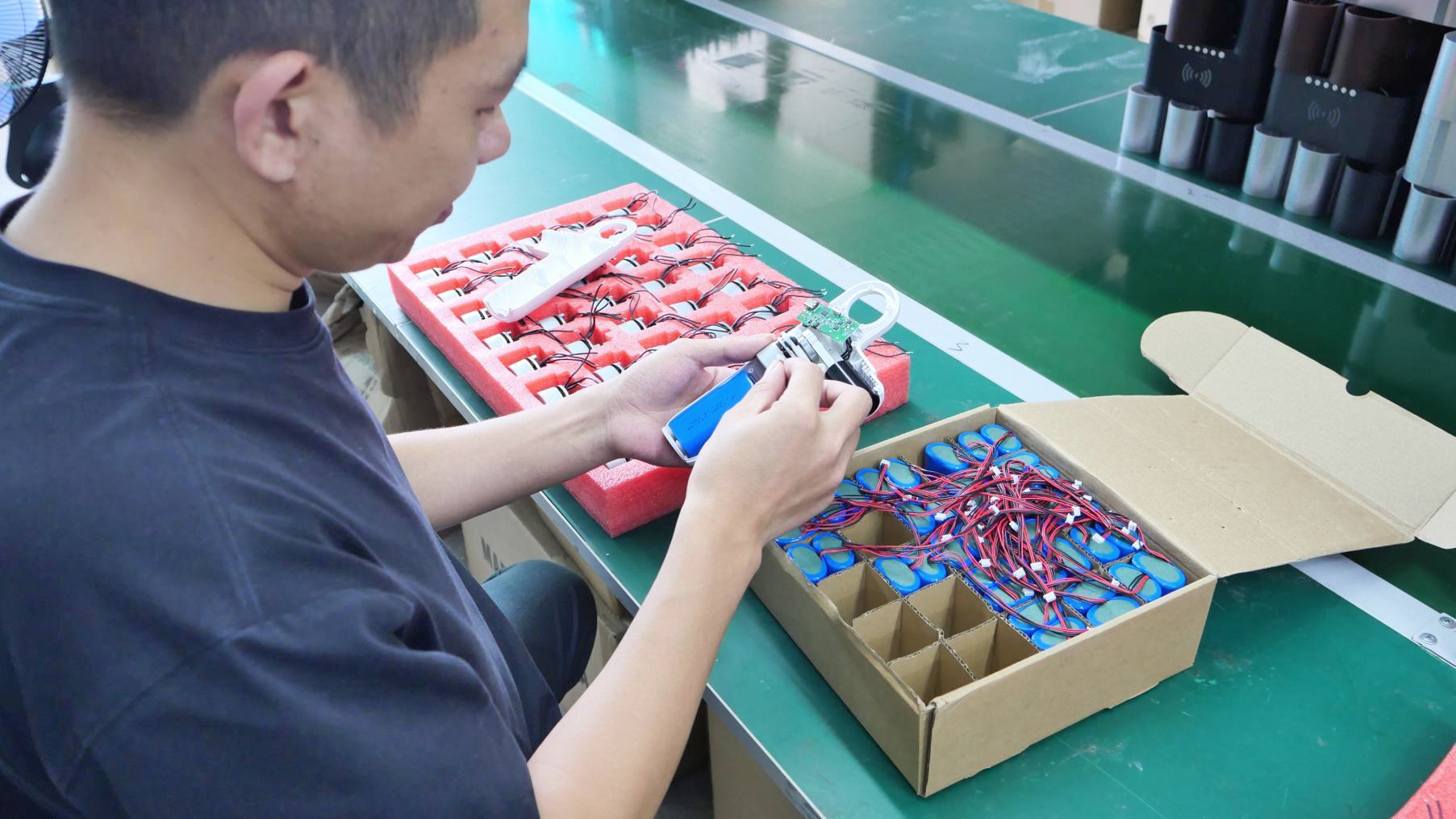
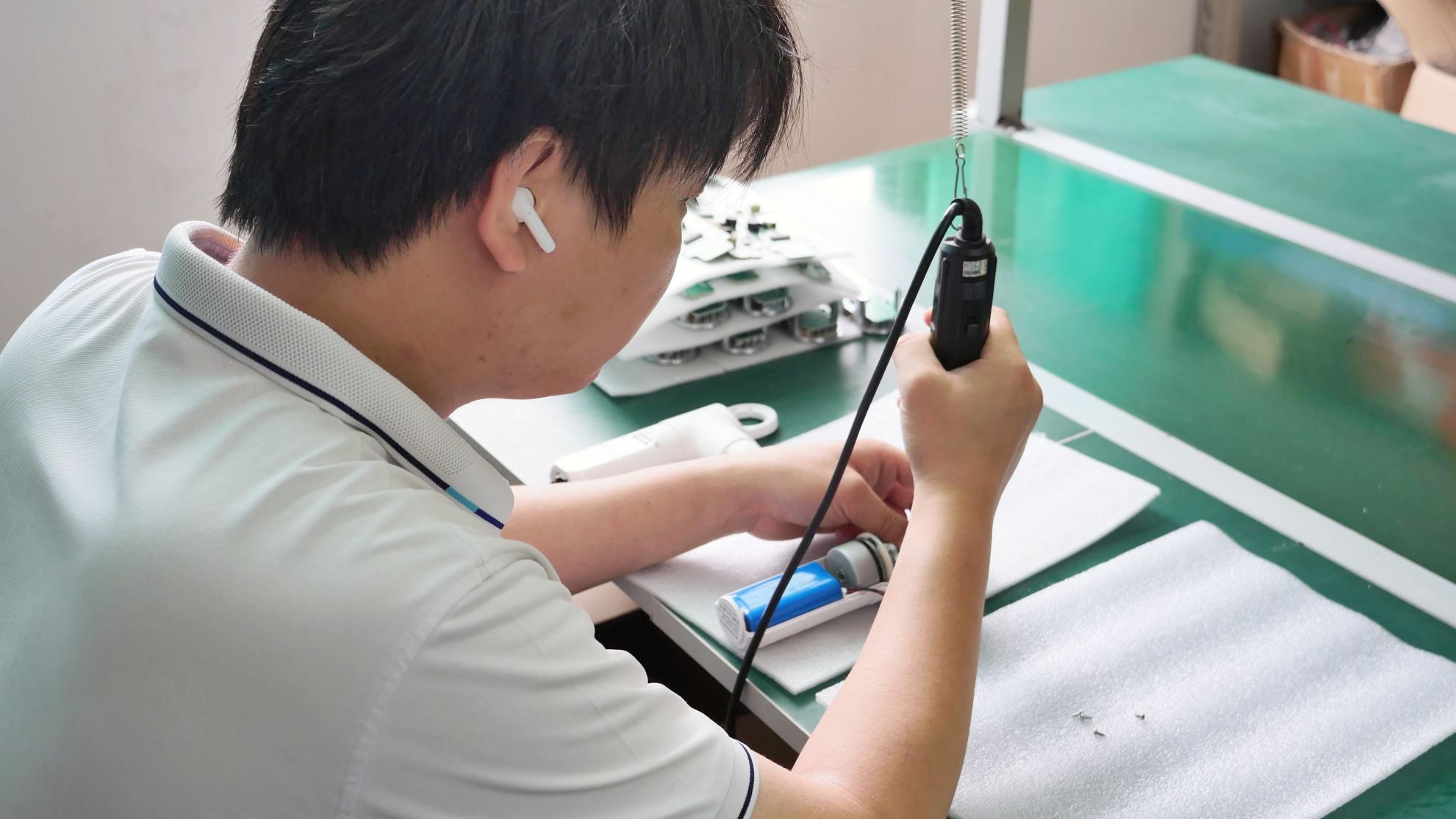
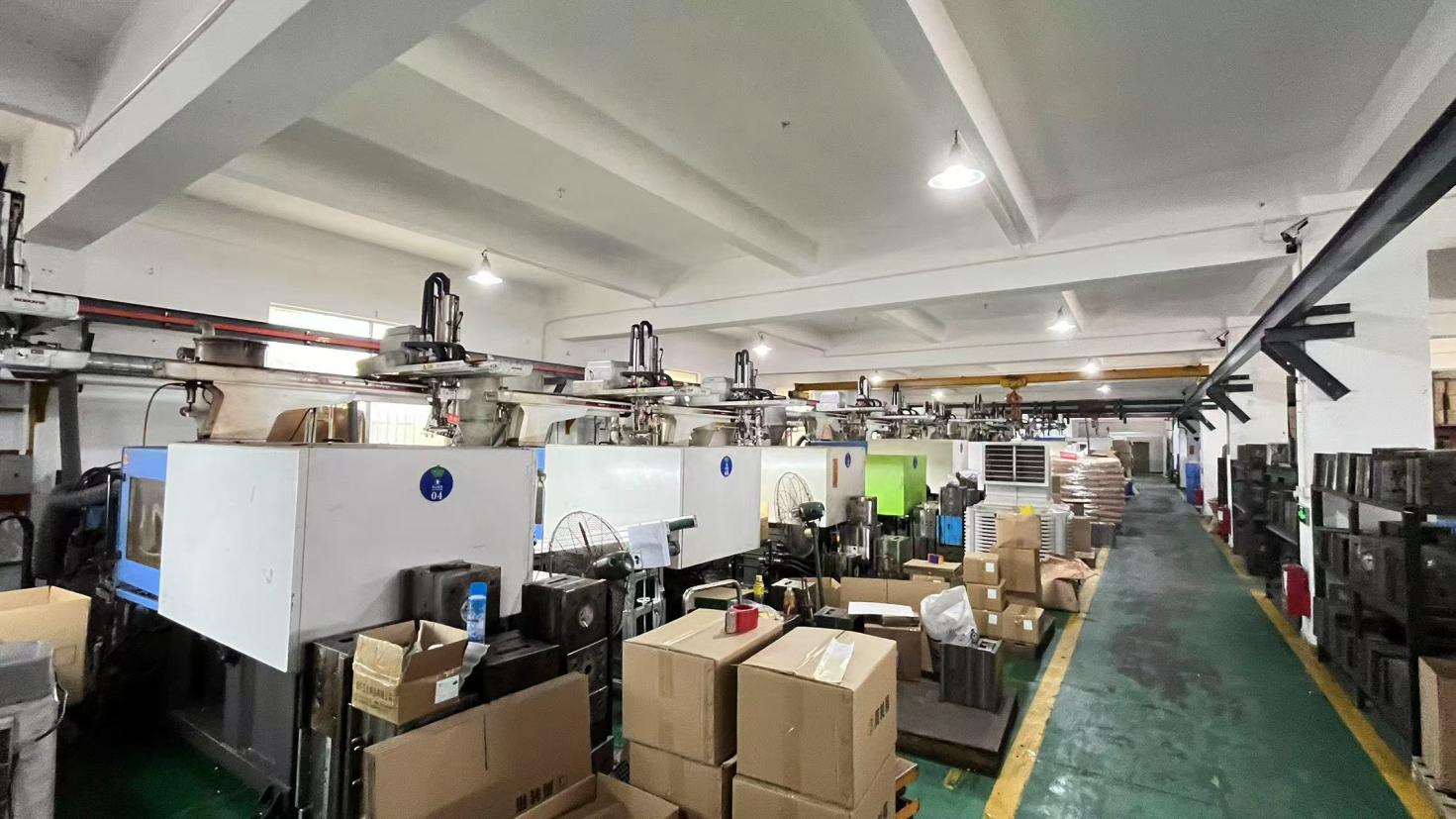
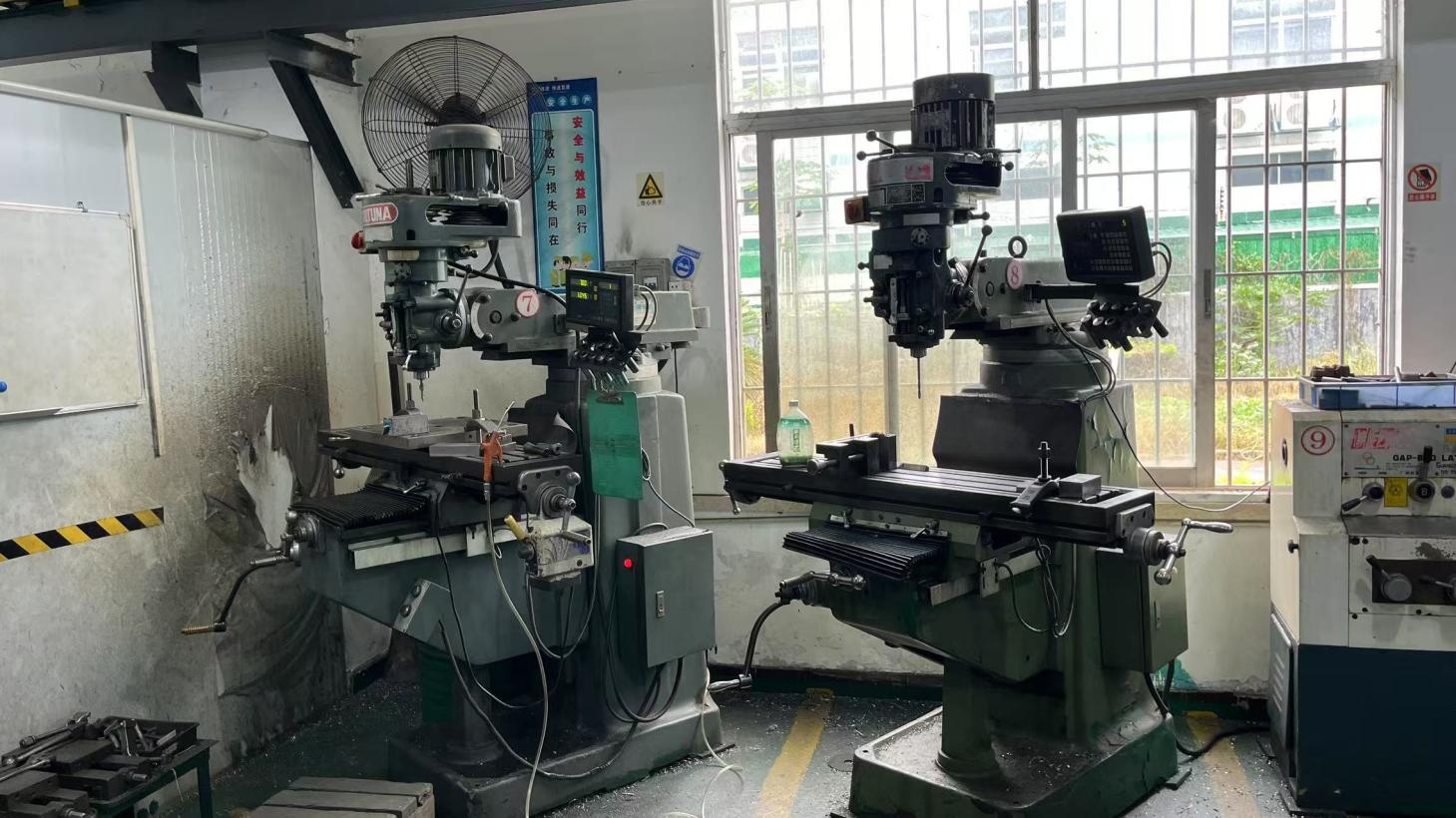
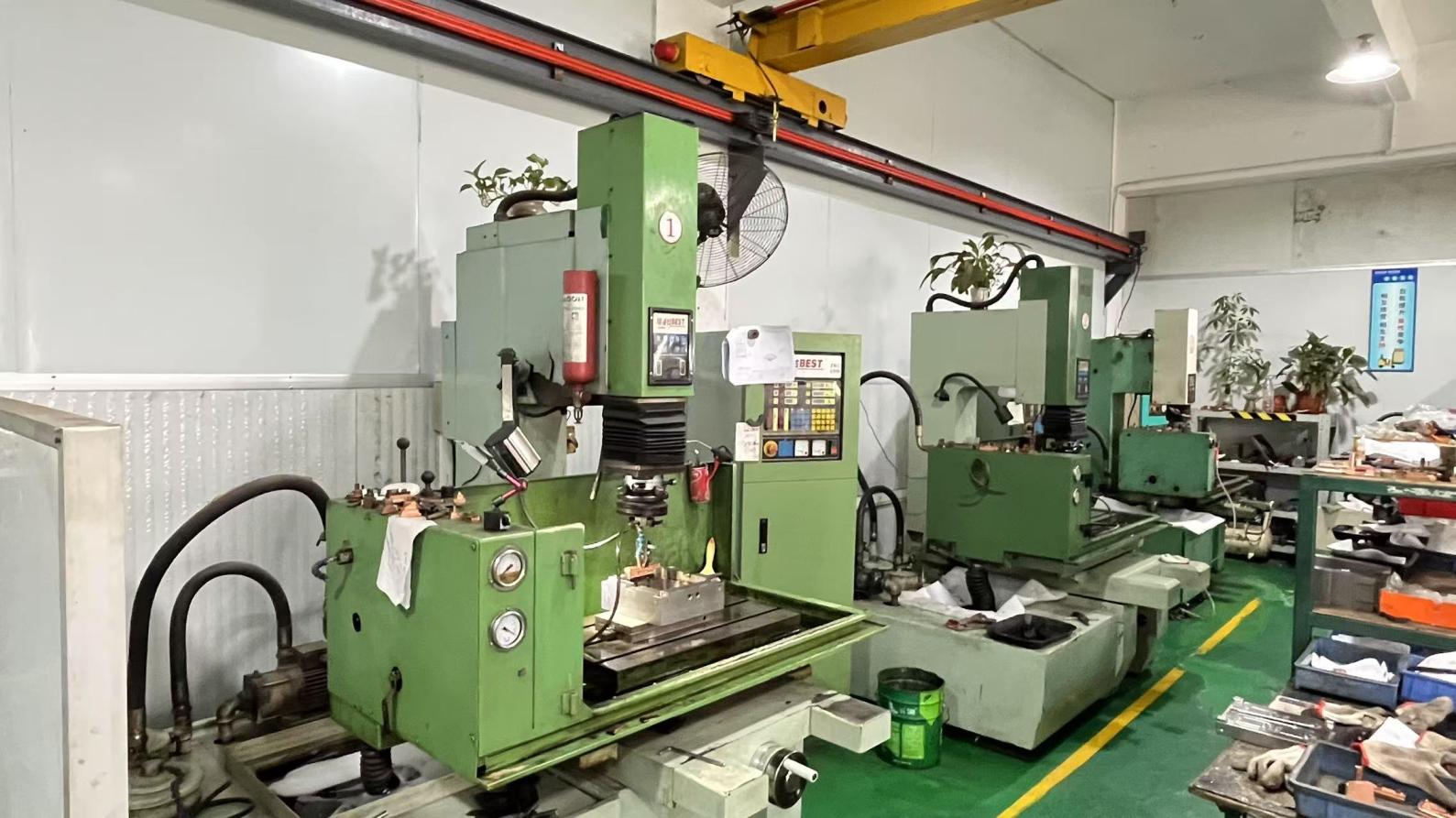
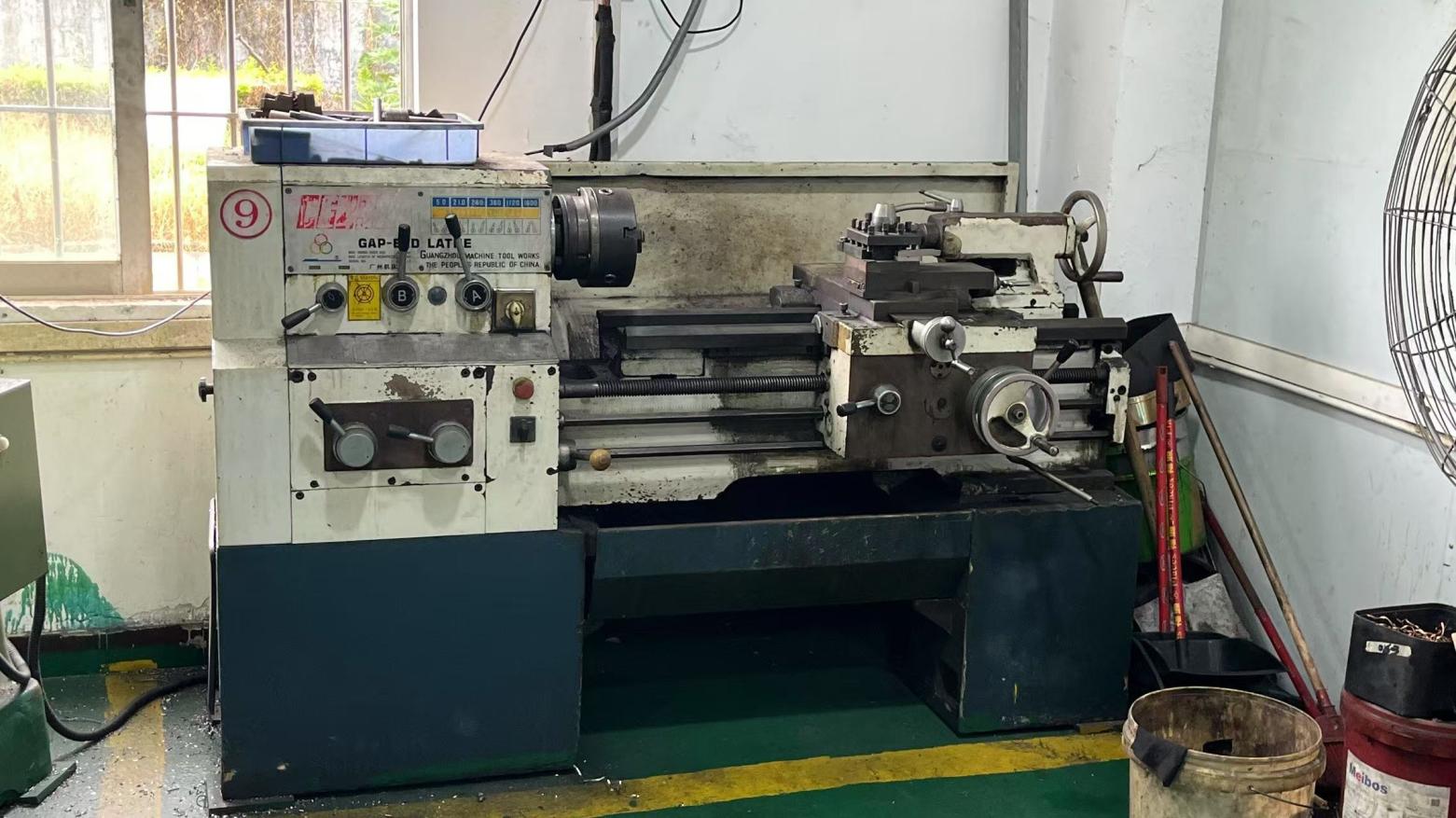
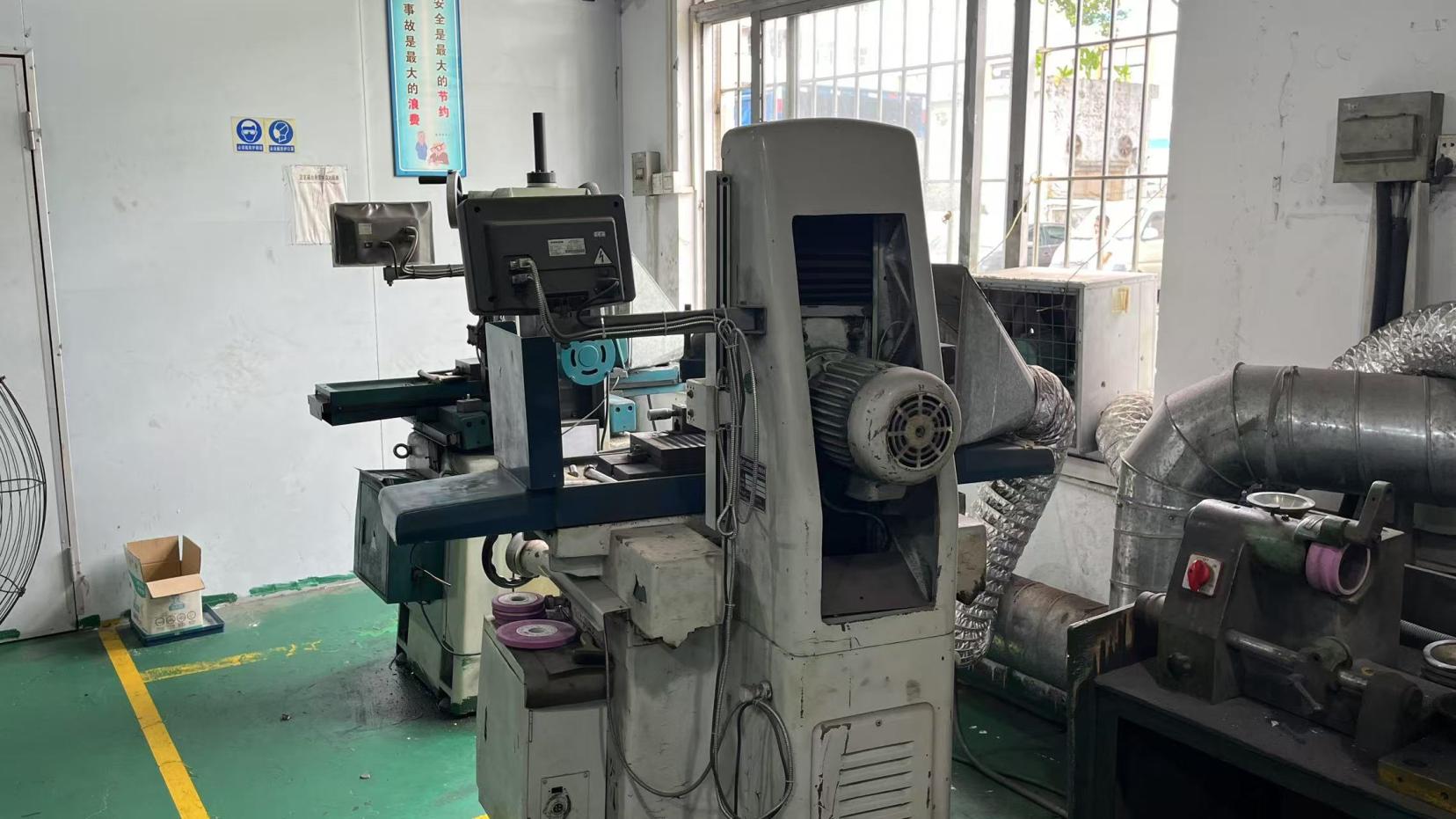
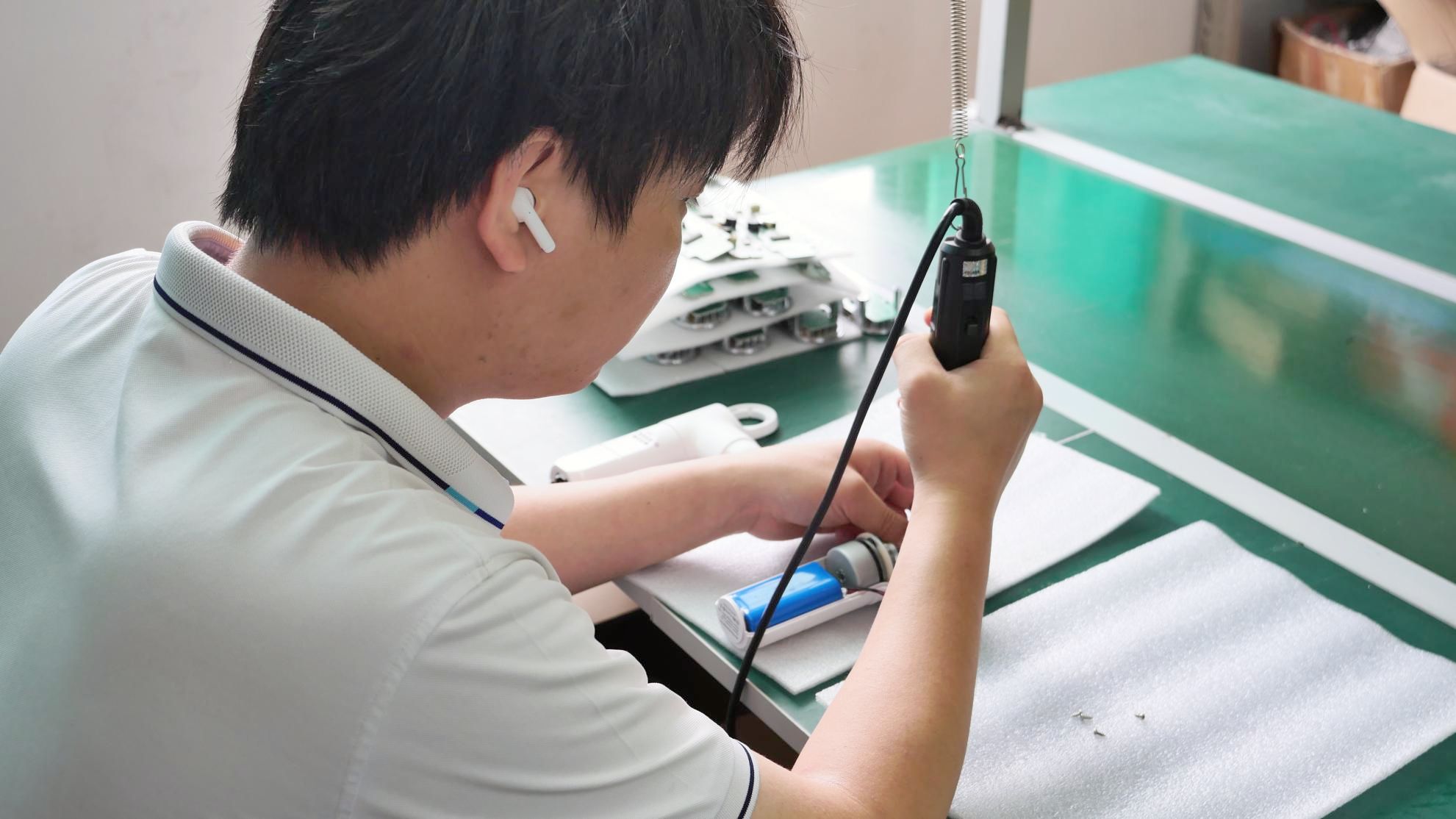
Guangzhou Luminor Beauty Co., Ltd. has established a strong and complete industrial chain system. The company is equipped with an independent R&D team of more than 20 experienced engineers and researchers, continuously focusing on optical, RF, ultrasonic, and other advanced beauty technologies. Its production base covers over 4,000 square meters and includes more than 20 modern production lines, supported by a dedicated in-house mold manufacturing department. This allows the company to maintain strict control over product precision, consistency, and innovation speed.
The company supports comprehensive OEM, ODM, and OBM services, offering flexible customization solutions for global partners. Its products are exported to Europe, North America, Southeast Asia, the Middle East, and other international markets, earning a strong reputation for quality and reliability. To ensure product safety and compliance, Luminor Beauty implements strict quality control standards throughout the entire production process, including raw material inspection, production monitoring, aging tests, and final product certification.
Building on over a decade of expertise in aesthetic medical equipment development, Guangzhou Luminor Beauty Co., Ltd. has conducted in-depth research into the evolving needs of home beauty users worldwide. The company has developed a series of home-use aesthetic devices designed with simplified operation systems, ergonomic structures, and enhanced safety protections. These devices allow non-professional users to achieve salon-like results conveniently and safely at home. To further improve user experience, the company also invests in intelligent features such as preset treatment modes, smart energy control, and user-friendly interfaces. At the same time, it provides comprehensive after-sales support, including usage guidance, training materials, and remote technical assistance.
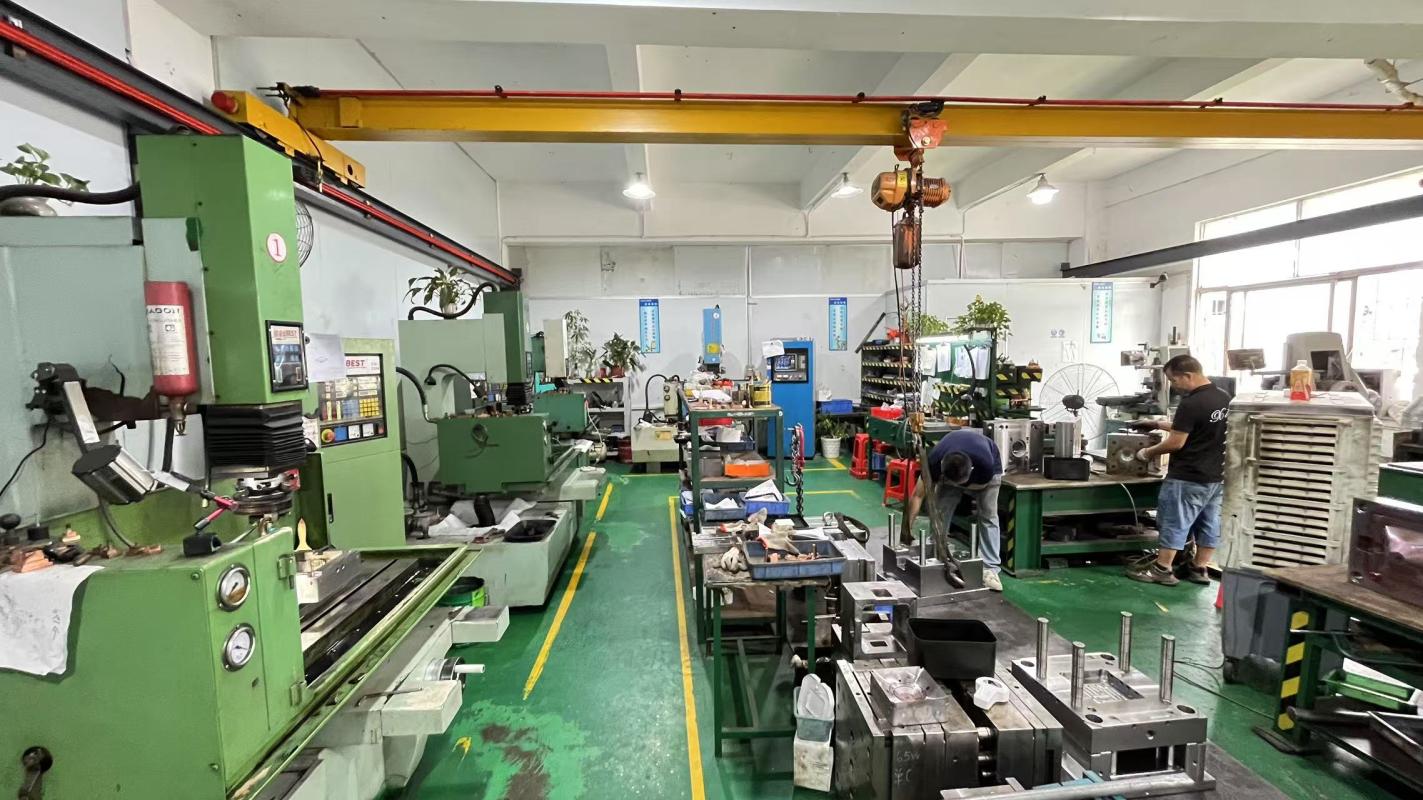
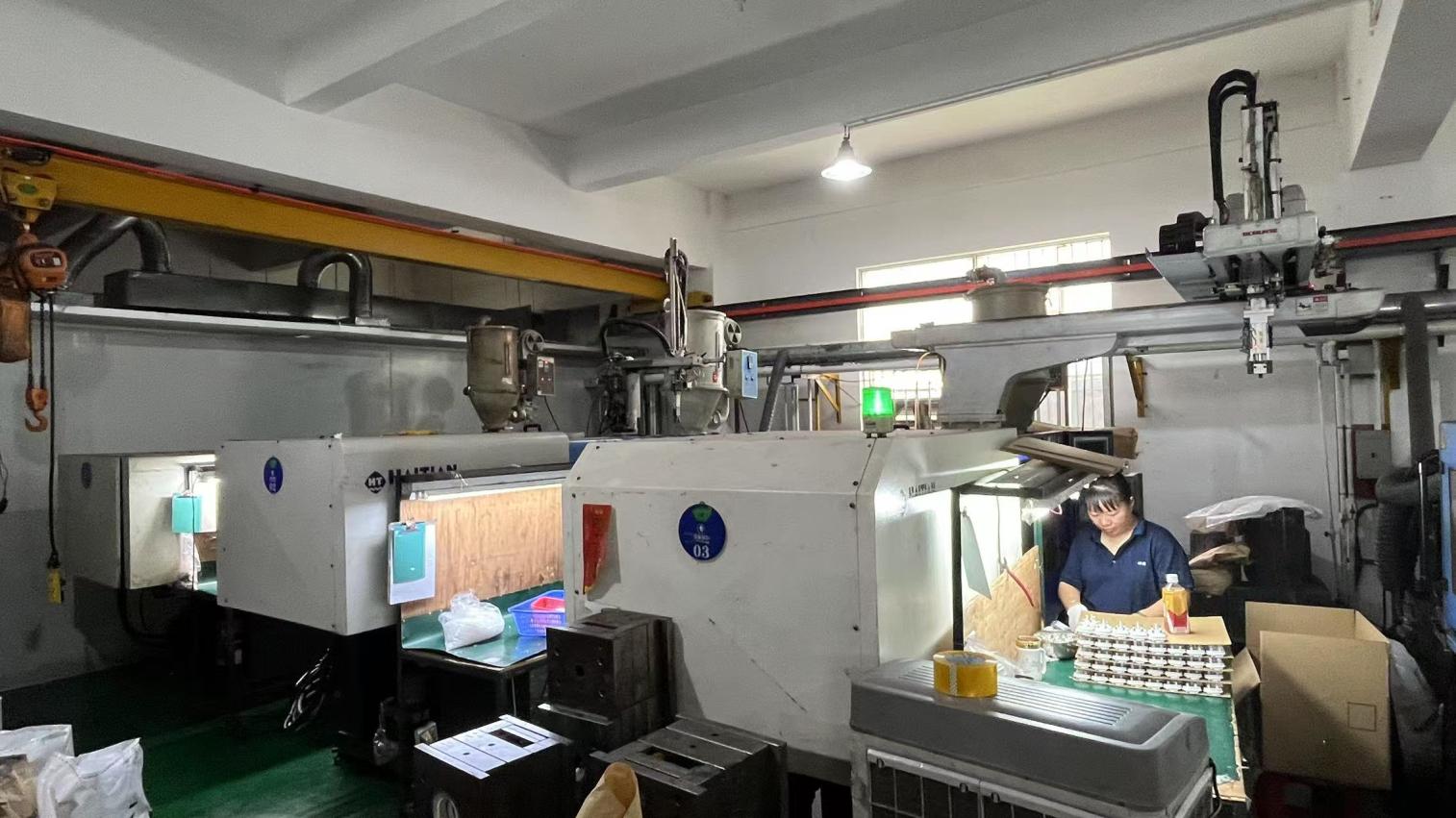
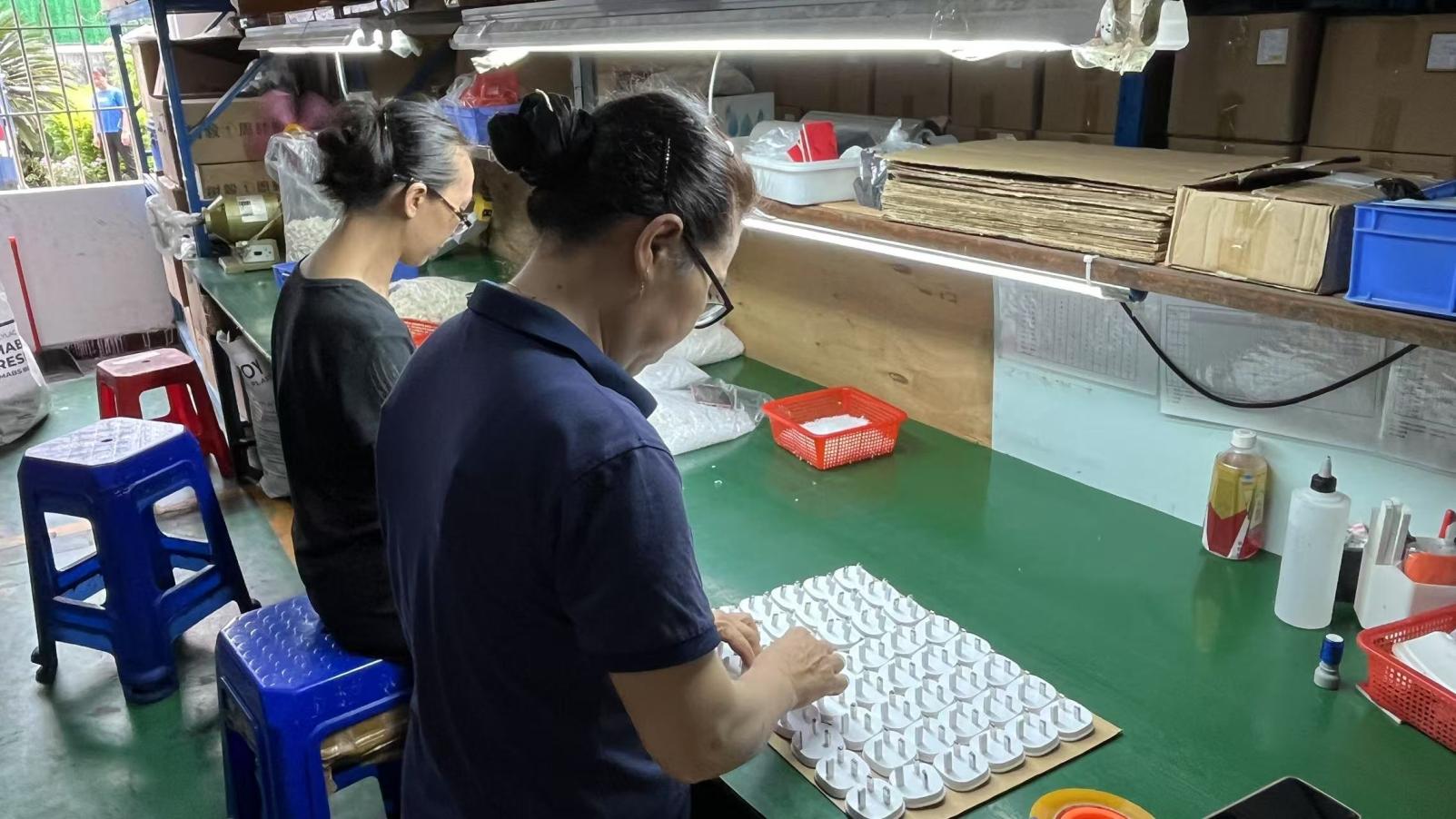
Exploring localized application scenarios and the future technical roadmap of microdermabrasion platforms.
Microdermabrasion technologies are highly adaptable, satisfying both high-throughput clinical requirements and personal home-use needs. Different international markets display distinct usage patterns:
In highly regulated markets, clinics prioritize high vacuum-pressure stability, sterilized single-use tips, and multi-functional treatment platforms. Modern systems in these regions are frequently used as a pre-treatment step. By removing the stratum corneum, microdermabrasion maximizes the penetration and effectiveness of subsequent laser therapies, chemical peels, or RF skin tightening.
In the APAC region, skin sensitivity is a key consideration. Spas favor mild hydradermabrasion systems that combine light chemical exfoliation (using AHAs or BHAs) with gentle mechanical exfoliation. This approach minimizes post-treatment redness and hyperpigmentation, which is critical for East Asian skin types prone to post-inflammatory hyperpigmentation (PIH).
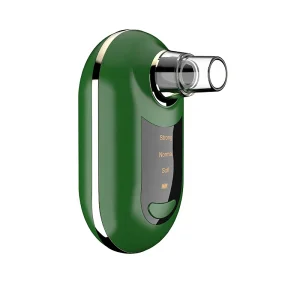
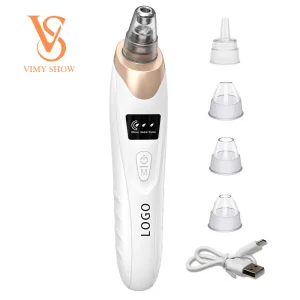
The global shift toward home-based self-care has driven demand for miniaturized, rechargeable, and ergonomic microdermabrasion tools. Modern home-use systems utilize smart pressure sensors, automatic timers, and lower suction ranges. These safety-first designs prevent bruising and skin tearing while still delivering visible skin texture improvements over time.
Looking ahead, the development of mechanical resurfacing machines centers on three main technological innovations:
Crucial technical answers, distribution insights, and operational support for global buyers and beauty brands.
Explore our advanced clinical-grade systems, high-frequency therapies, and localized skin resurfacing options.

 Luminor Beauty