High-performance clinical and home-use technologies engineered for cellular regeneration, lifting, and deep dermal remodeling.
How bio-stimulative technologies are driving the paradigm shift from invasive procedures to endogenous rejuvenation.
The global market for natural skin regeneration devices has entered a phase of exponential growth, valued at multi-billion USD in 2024. Driven by shifting consumer preferences away from invasive surgical facelifts and aggressive chemical procedures, the demand for non-ablative, physiological tissue remodeling is at an all-time high. Modern consumers seek solutions that activate the body's natural healing pathways—stimulating endogenous collagen, elastin production, and ATP synthesis without long downtimes.
This market shift has placed B2B importers, medical distributors, and aesthetic brands in a critical position. To maintain a competitive edge, sourcing agents must partner with manufacturers capable of delivering technologies that respect skin integrity while offering clinically proven results. The convergence of professional-grade clinical output with smart, scaled-down home configurations has created a hybrid consumption model, demanding highly robust manufacturing, certification compliance, and precise engineering.
Exploring the core biophysical mechanisms engineered by top tier manufacturers.
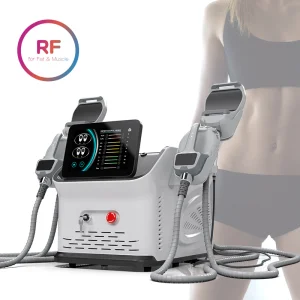
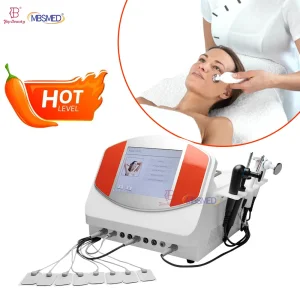
Operating between 400kHz and 500kHz, Capacitive and Resistive electrical transfer induces deep, safe thermal energy. This increases oxygenation, accelerates waste removal, and triggers natural deep collagen remodeling without epidermal trauma.
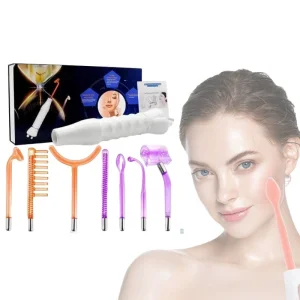
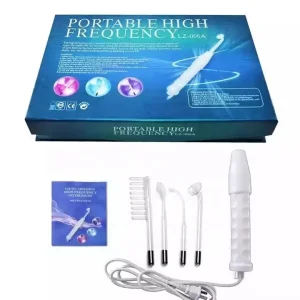
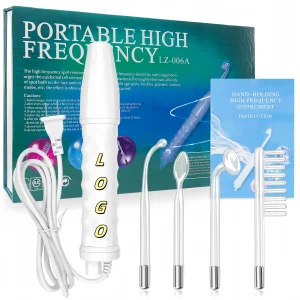
Generating localized ozone through high-frequency electrical currents in specialized glass tubes. Neon gas targets anti-aging and circulation, while Argon focuses on blemish elimination and rapid microbial cleansing.
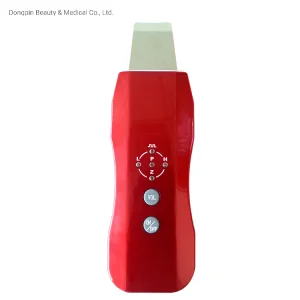
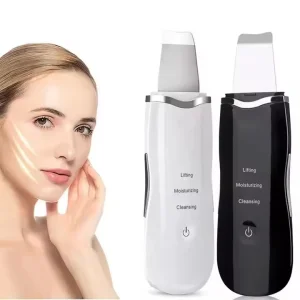
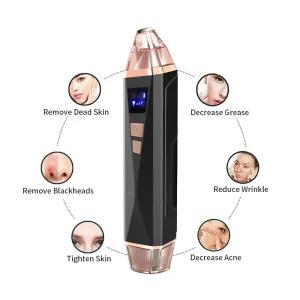
Utilizing high-speed acoustic vibrations (typically 24kHz to 28kHz) to exfoliate dead skin cells, emulsify sebum, and enhance transdermal delivery of active regenerational topicals.
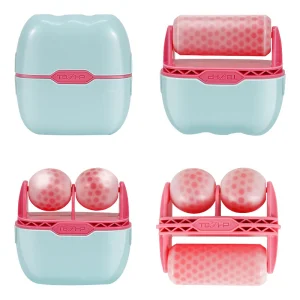
Controlled localized temperature drops stimulate vasoconstriction followed by rapid vasodilation. This process increases nutrient flow to the dermis, tightens structural fibers, and decreases inflammatory markers.
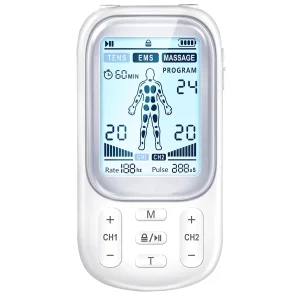
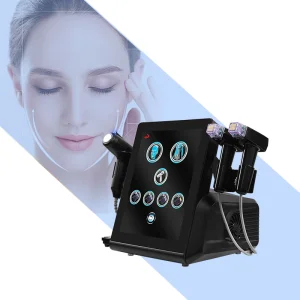
Low-level electrical currents that mirror the body’s natural electrical fields, stimulating ATP production and re-educating facial muscles for non-invasive lifting and contouring.
Precise mechanical micro-punctures combined with localized RF thermal delivery, initiating structured dermal remodeling and direct natural scar-tissue breakdown.
A deep dive into the operational capacity and specialized engineering of an industry leader.
Founded over 12 years ago, Guangzhou Luminor Beauty Co., Ltd. stands as a benchmark of research, manufacturing excellence, and compliance in the global aesthetic market. The company is a comprehensive enterprise integrating original R&D, advanced manufacturing pipelines, global sales, and extensive after-sales support. Their product portfolio spans from high-capacity, professional-grade clinical devices to highly compact, home-use wellness instruments.
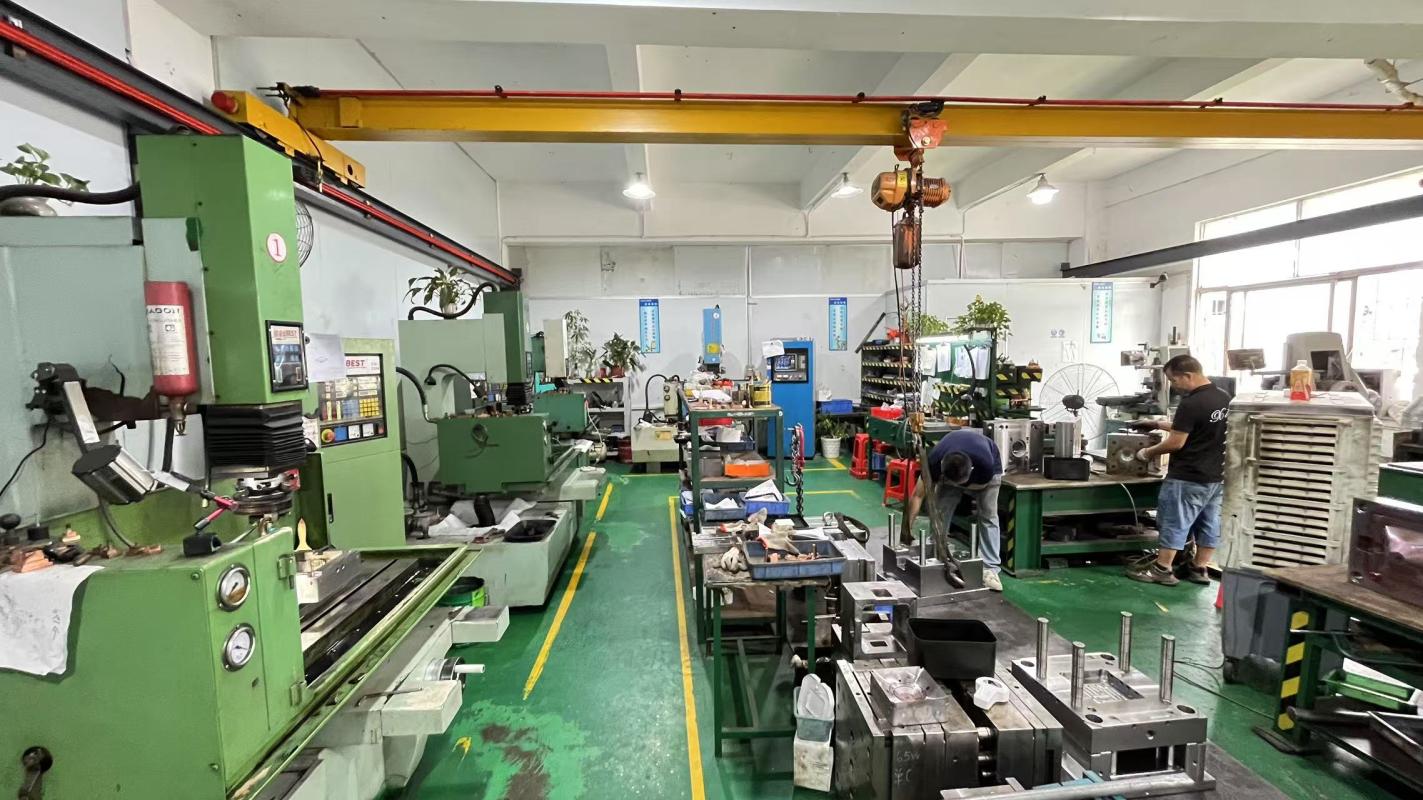
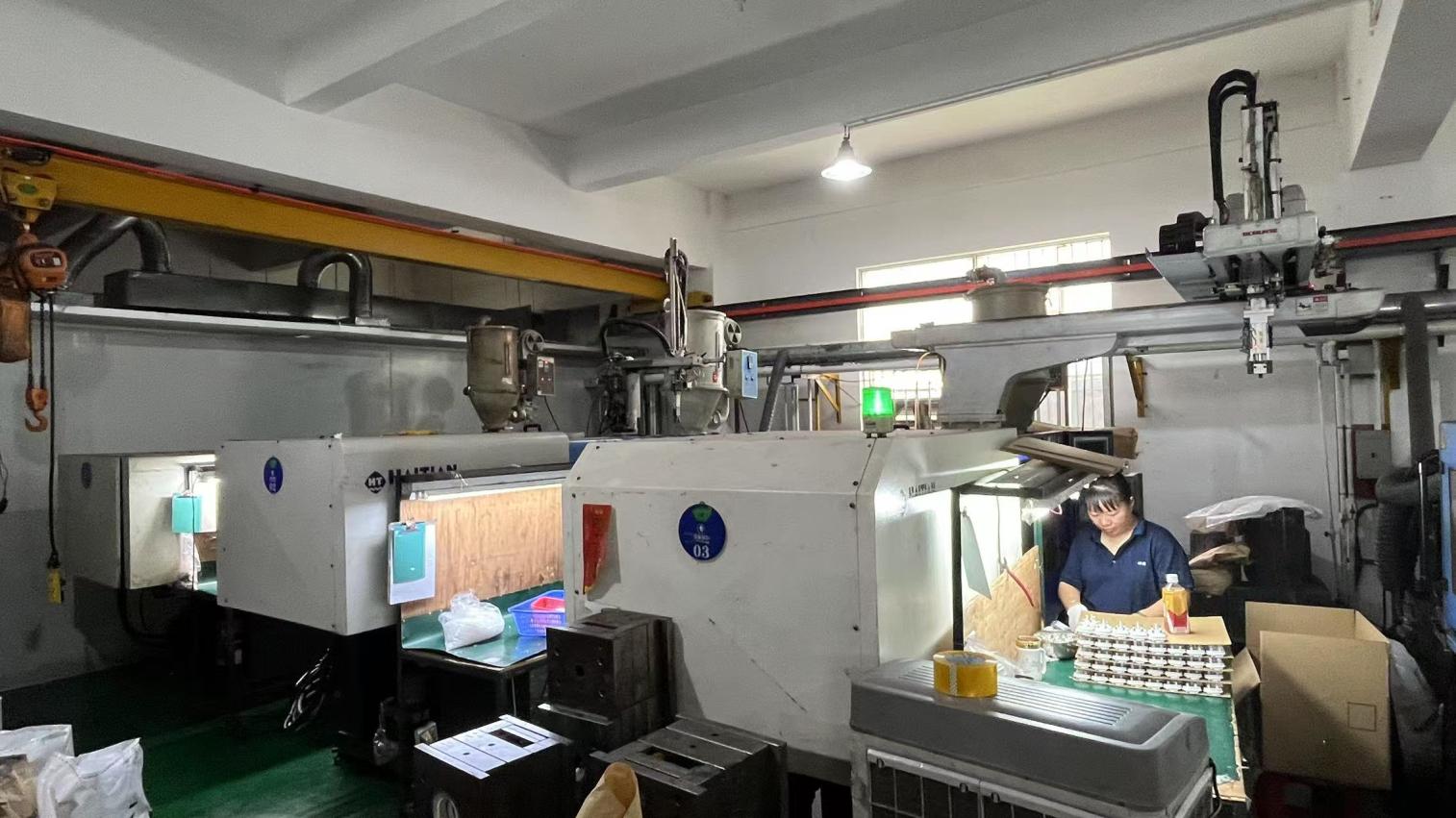
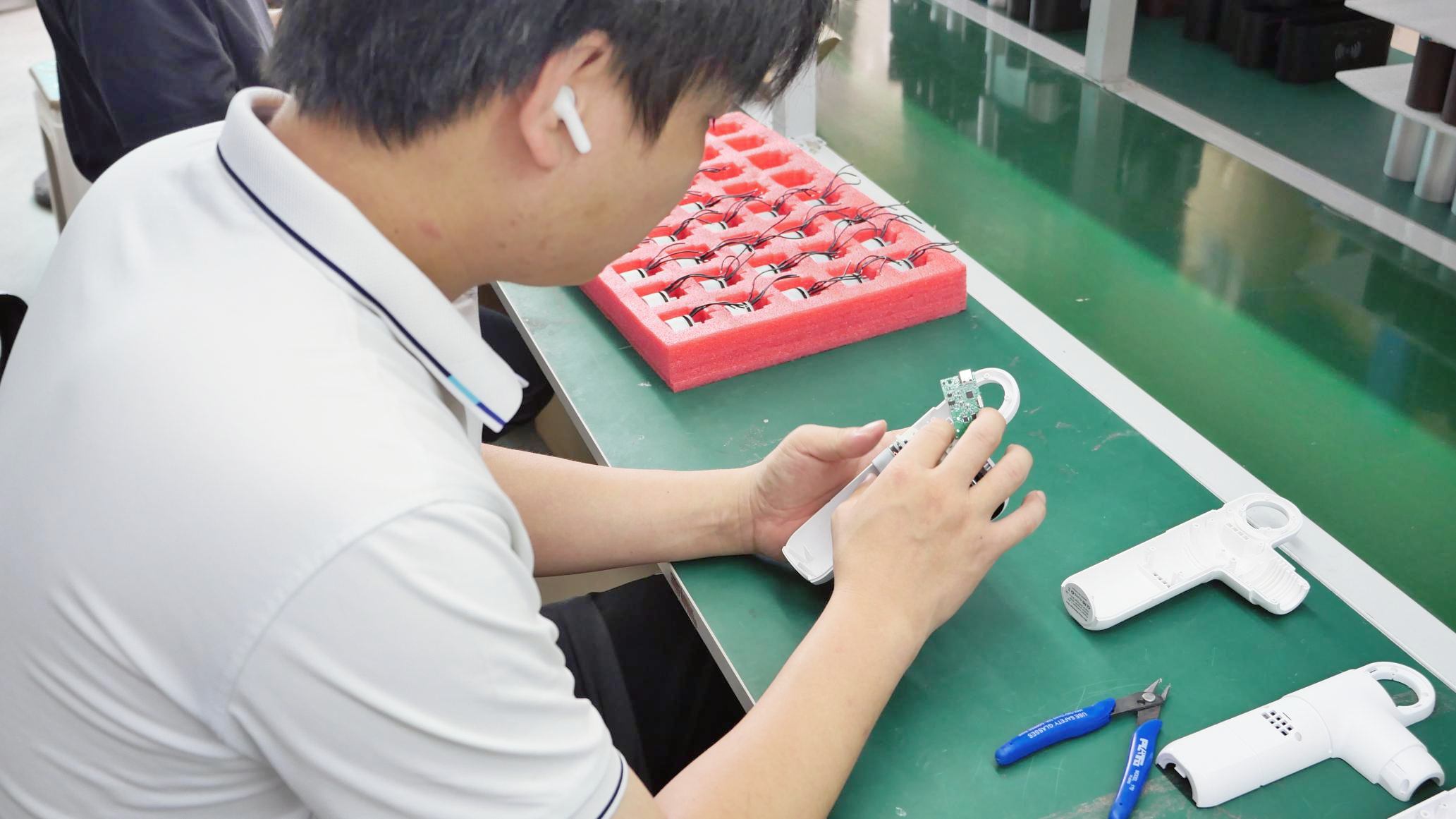
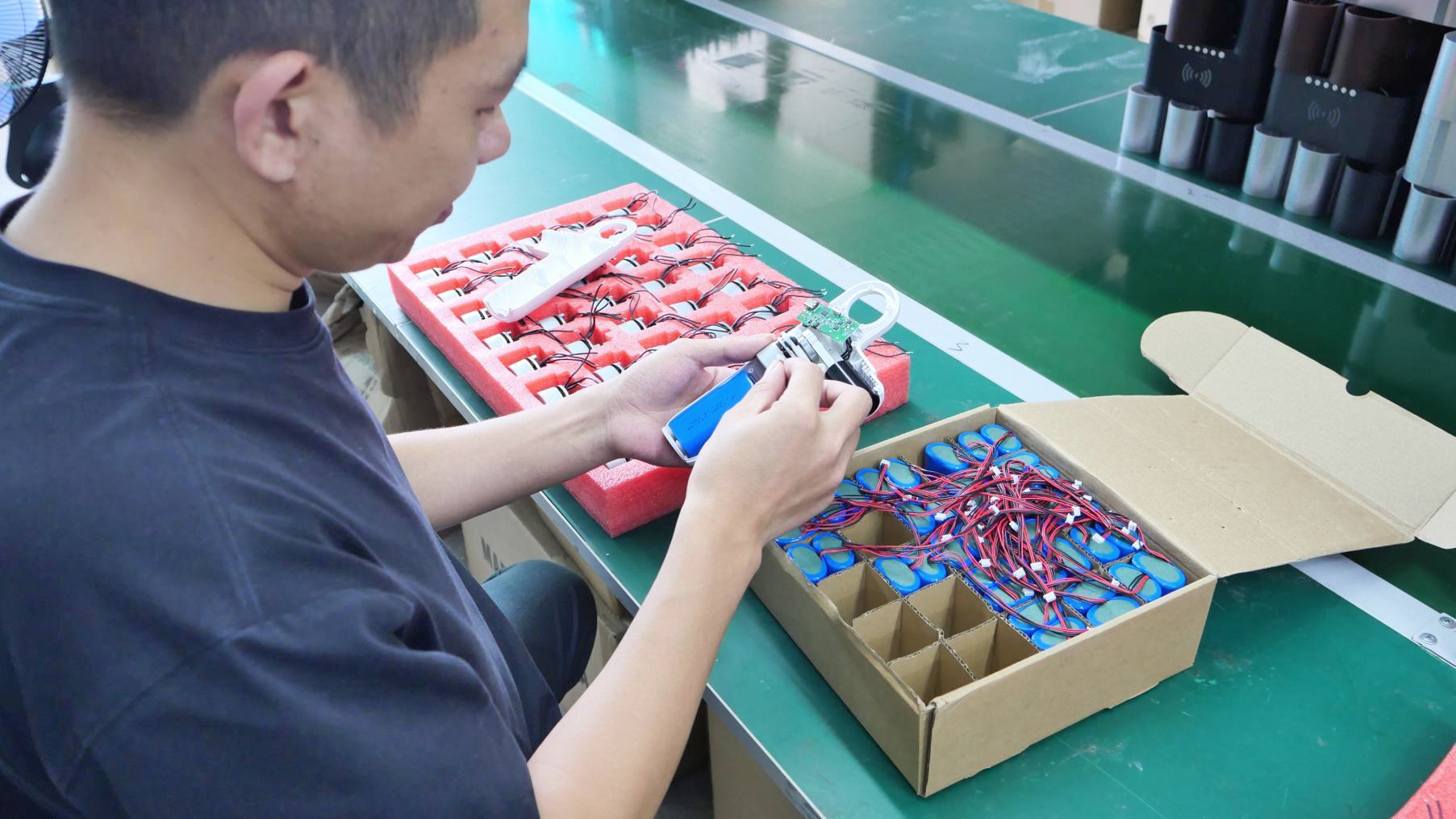
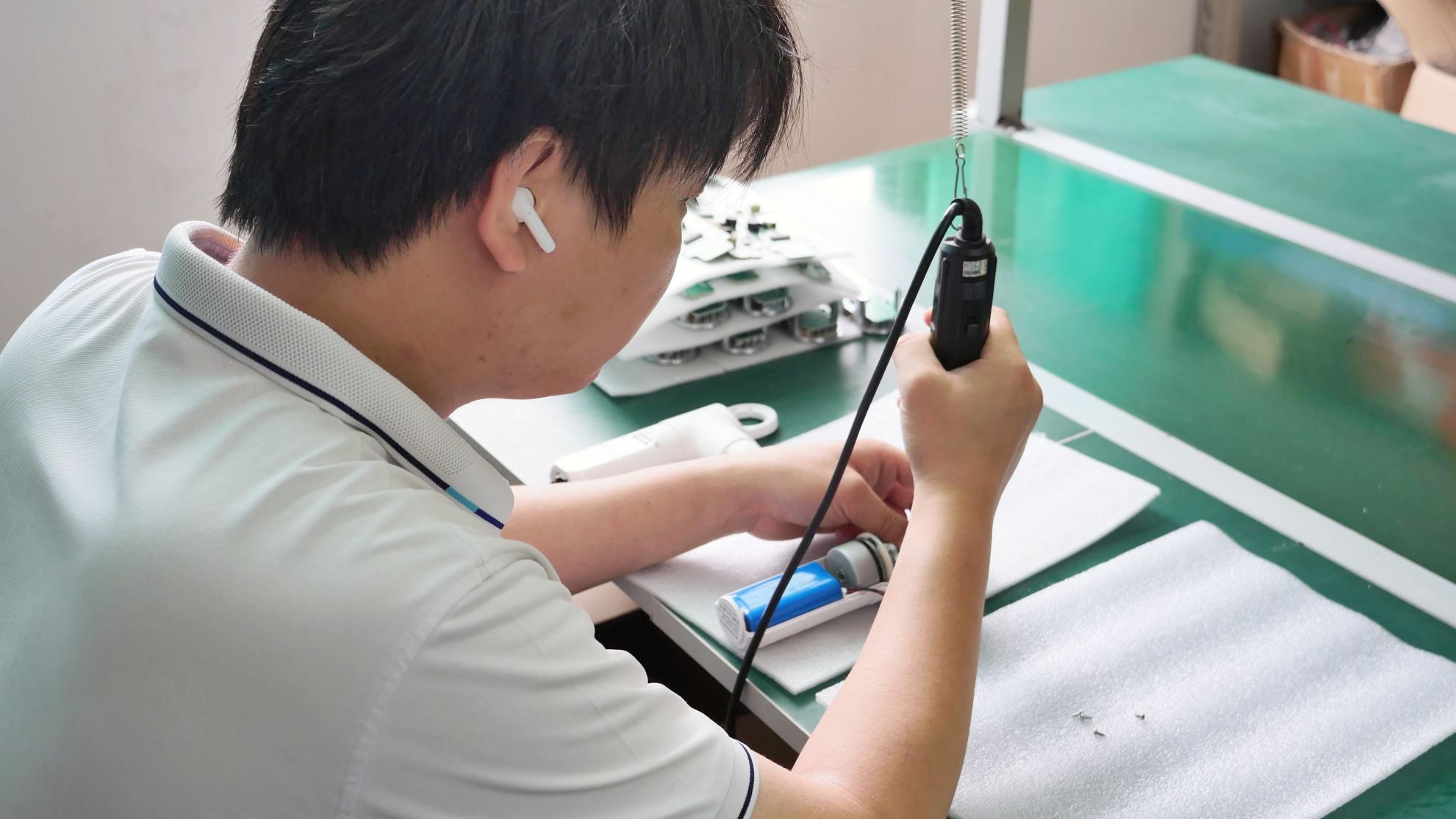
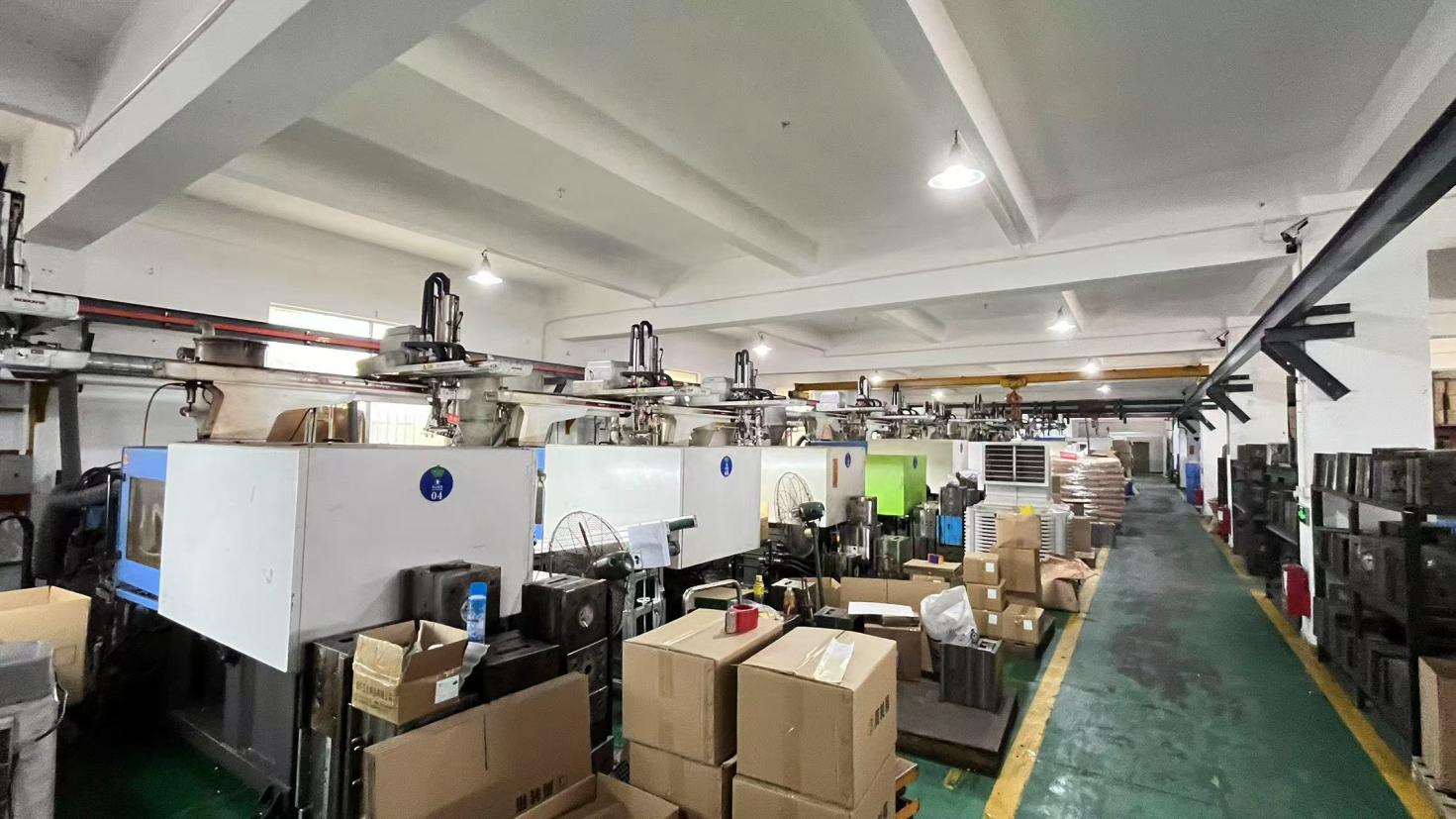
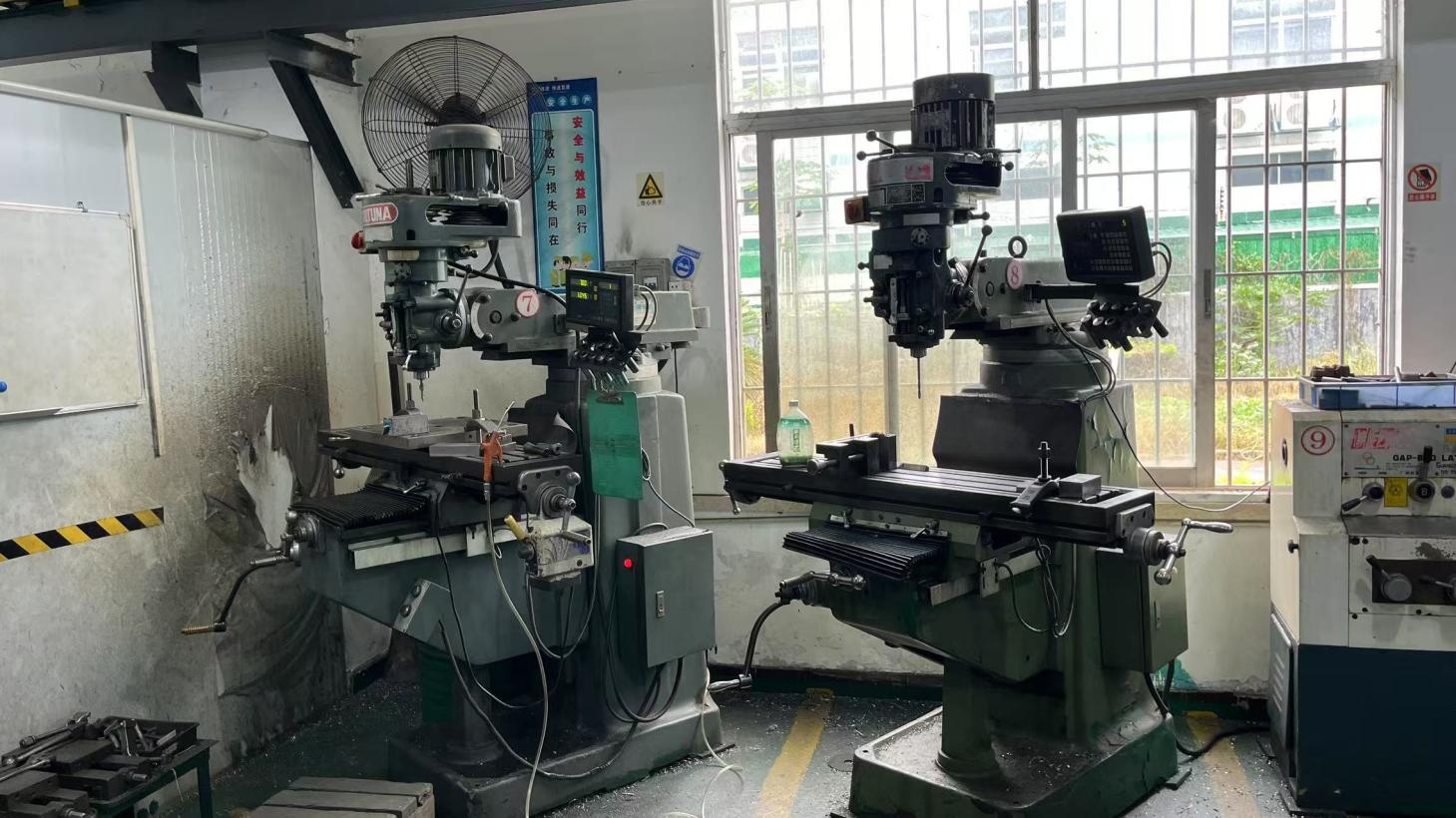
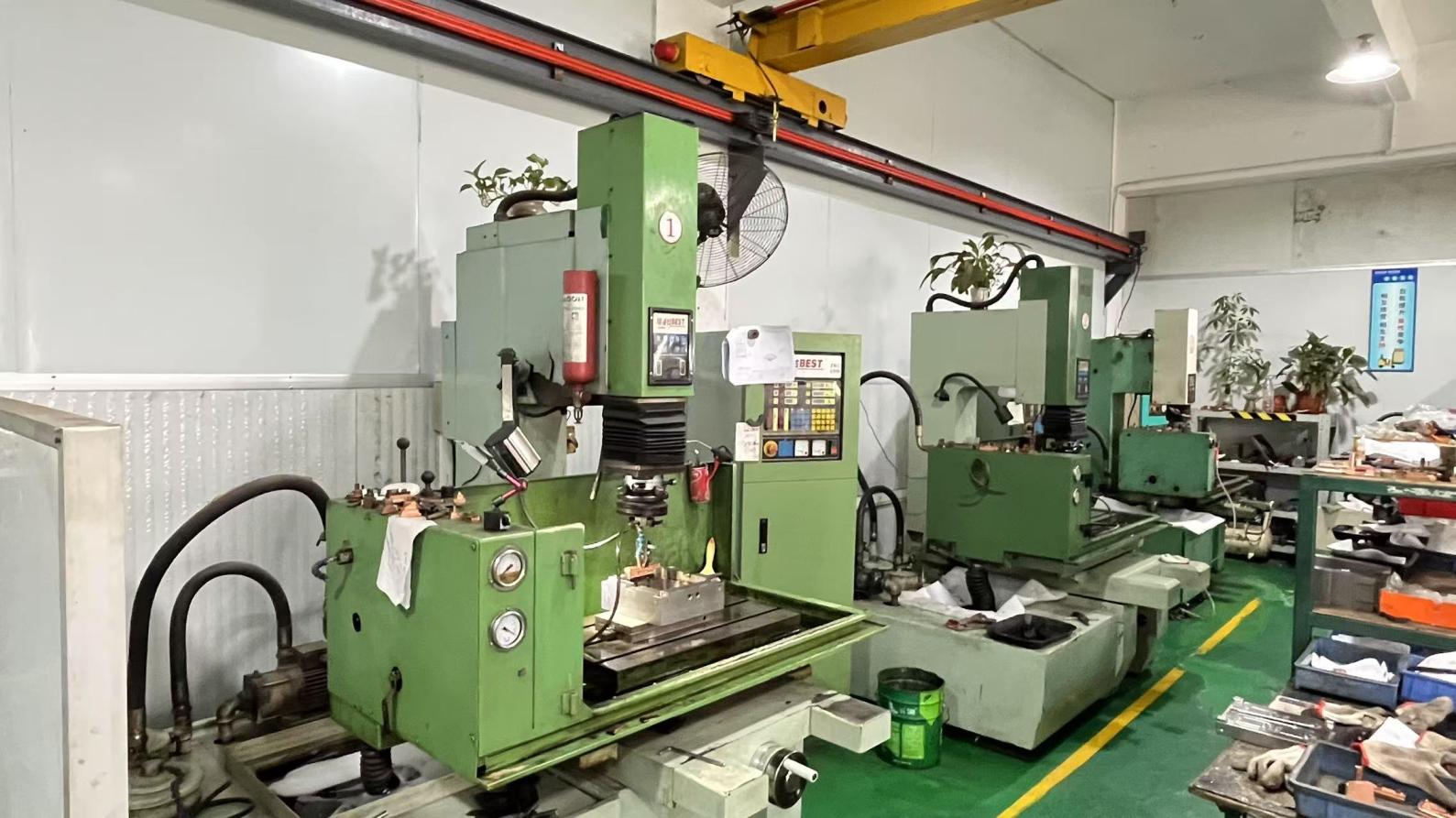
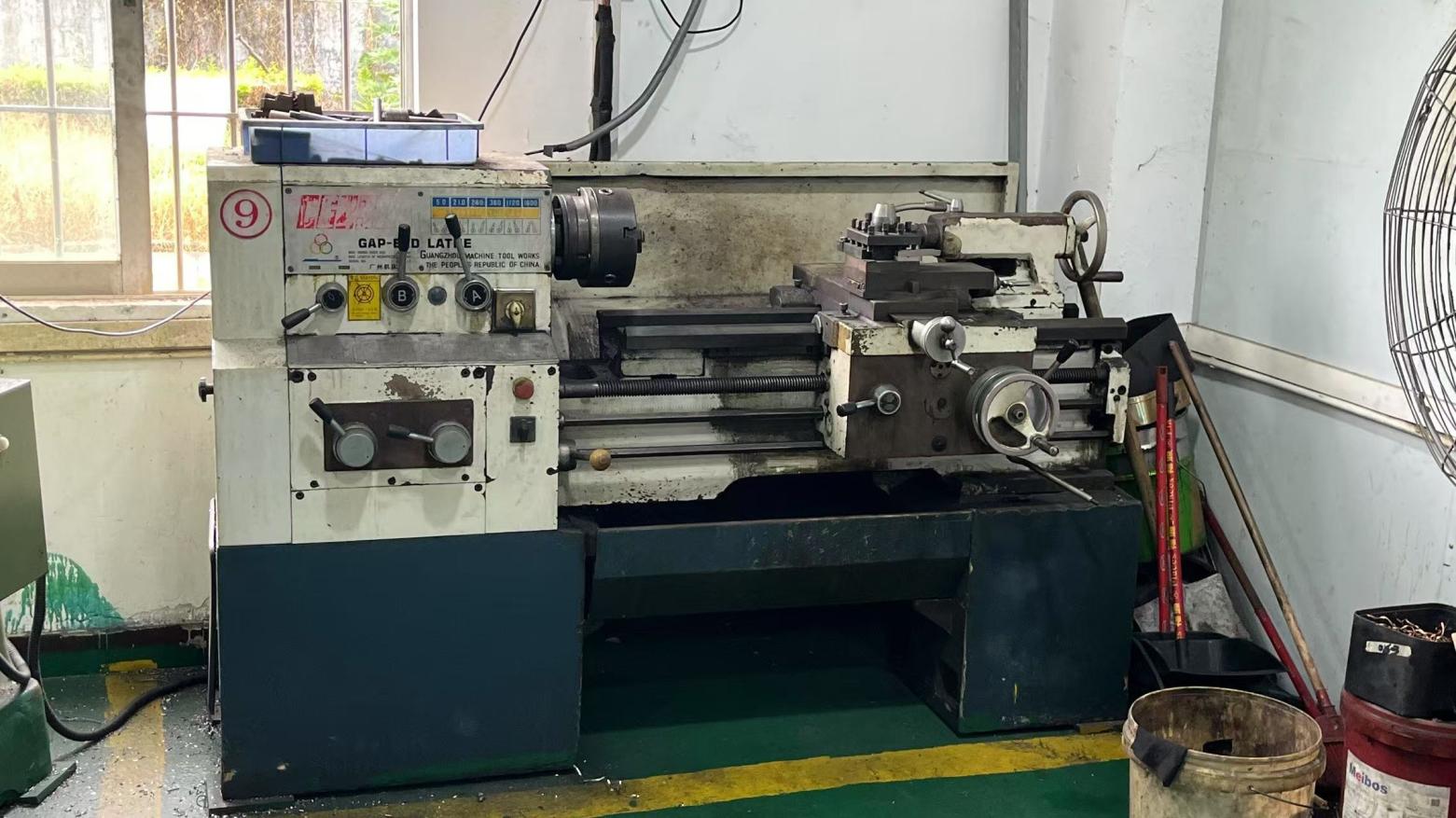
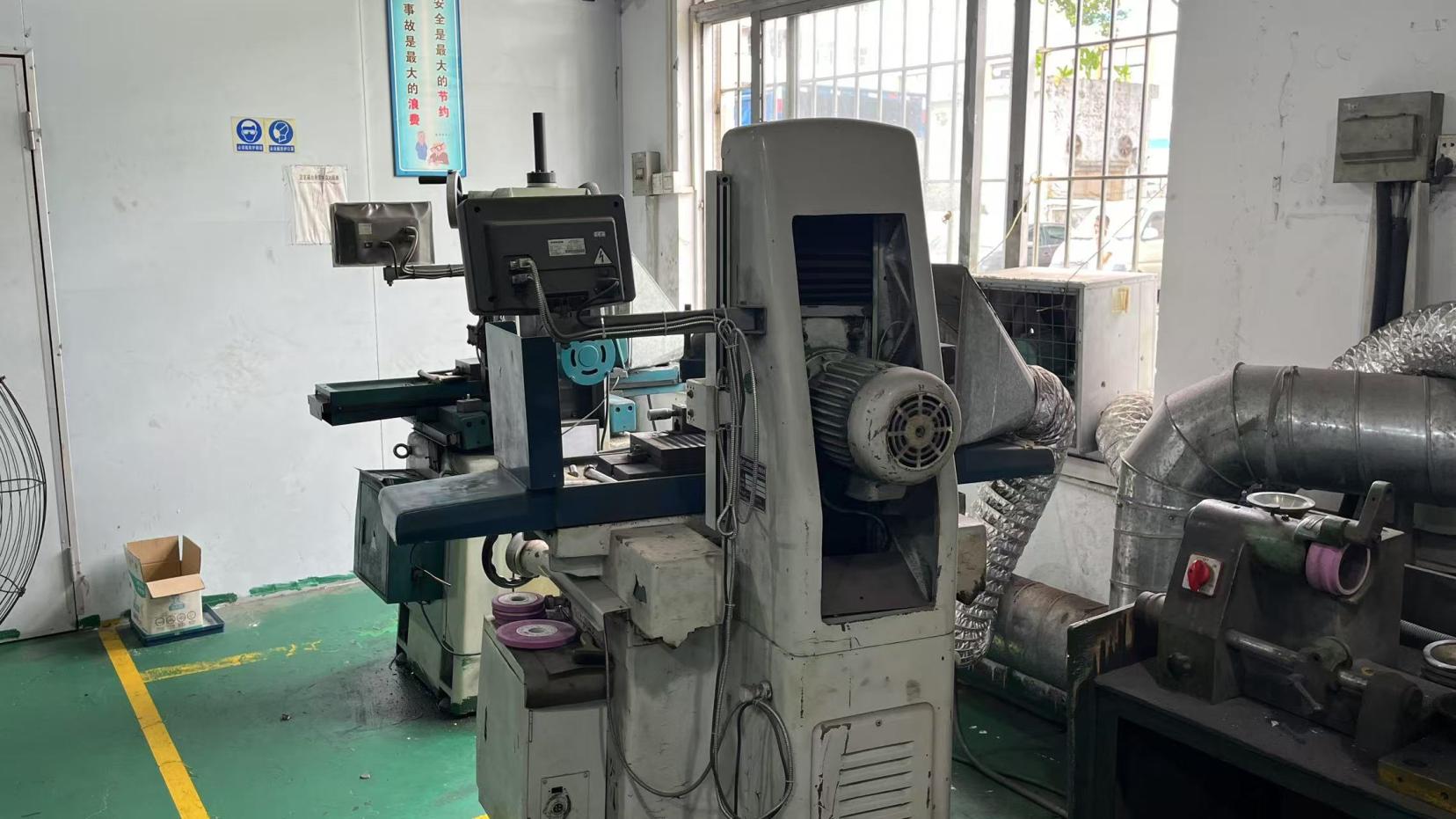
Equipped with an independent R&D group of more than 20 experienced engineers and medical researchers, Luminor Beauty focuses heavily on optical, RF, ultrasonic, and mechanical engineering. Their manufacturing facility covers over 4,000 square meters, featuring 20+ modern production lines, supported by a dedicated in-house mold tooling fabrication department. This allows the company to transition from conceptual CAD drawings to physical injection-molded prototypes in record time, maintaining strict control over structural integrity and component quality.
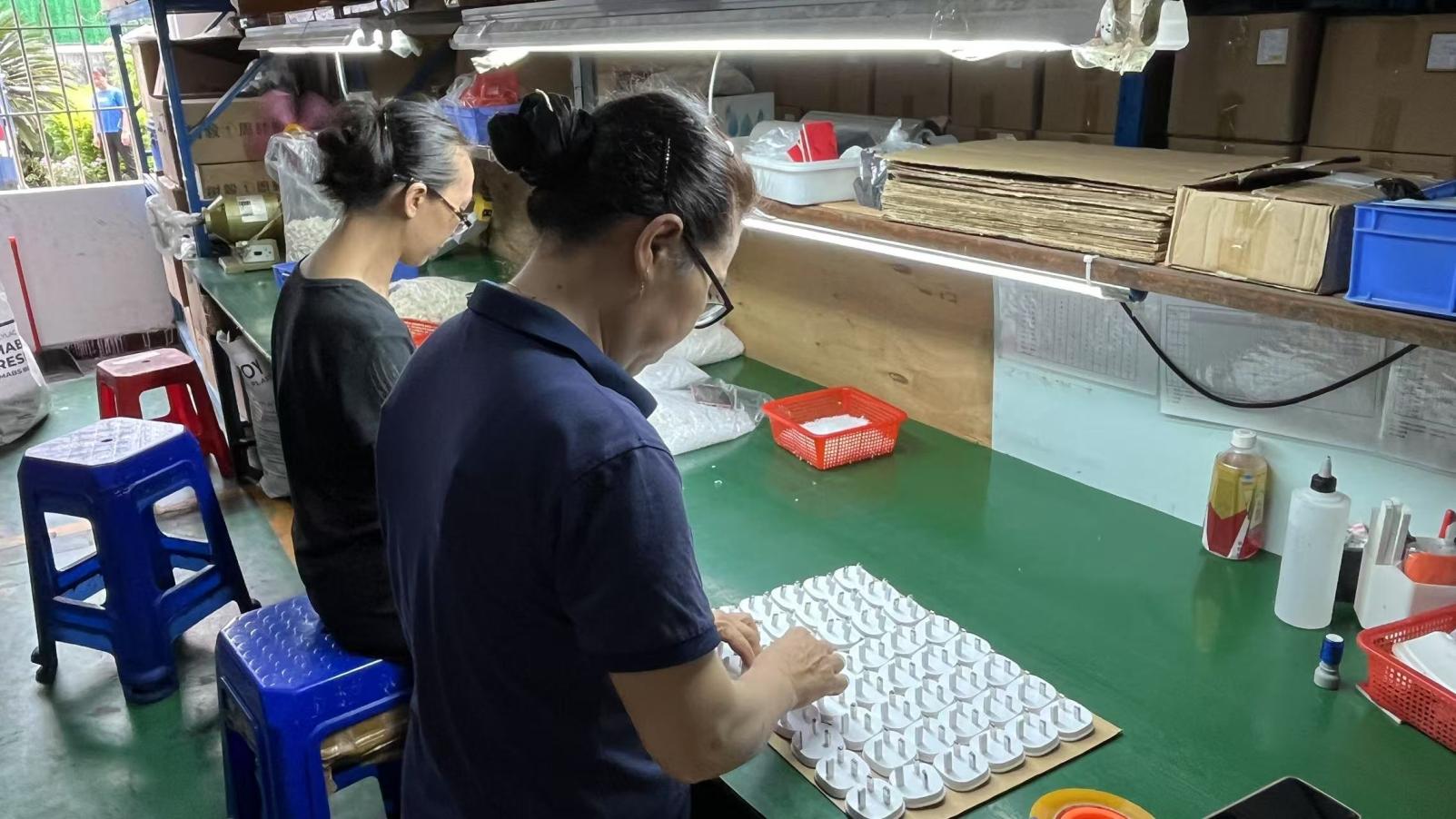
Quality control at Luminor is governed by strict protocols. The QA workflow involves multi-stage inspections: raw material testing, real-time wave-pattern calibration on assembly lines, high-temperature aging tests, and final functional checks. This rigorous process ensures that the products reaching global distributors maintain exceptionally low defect rates.
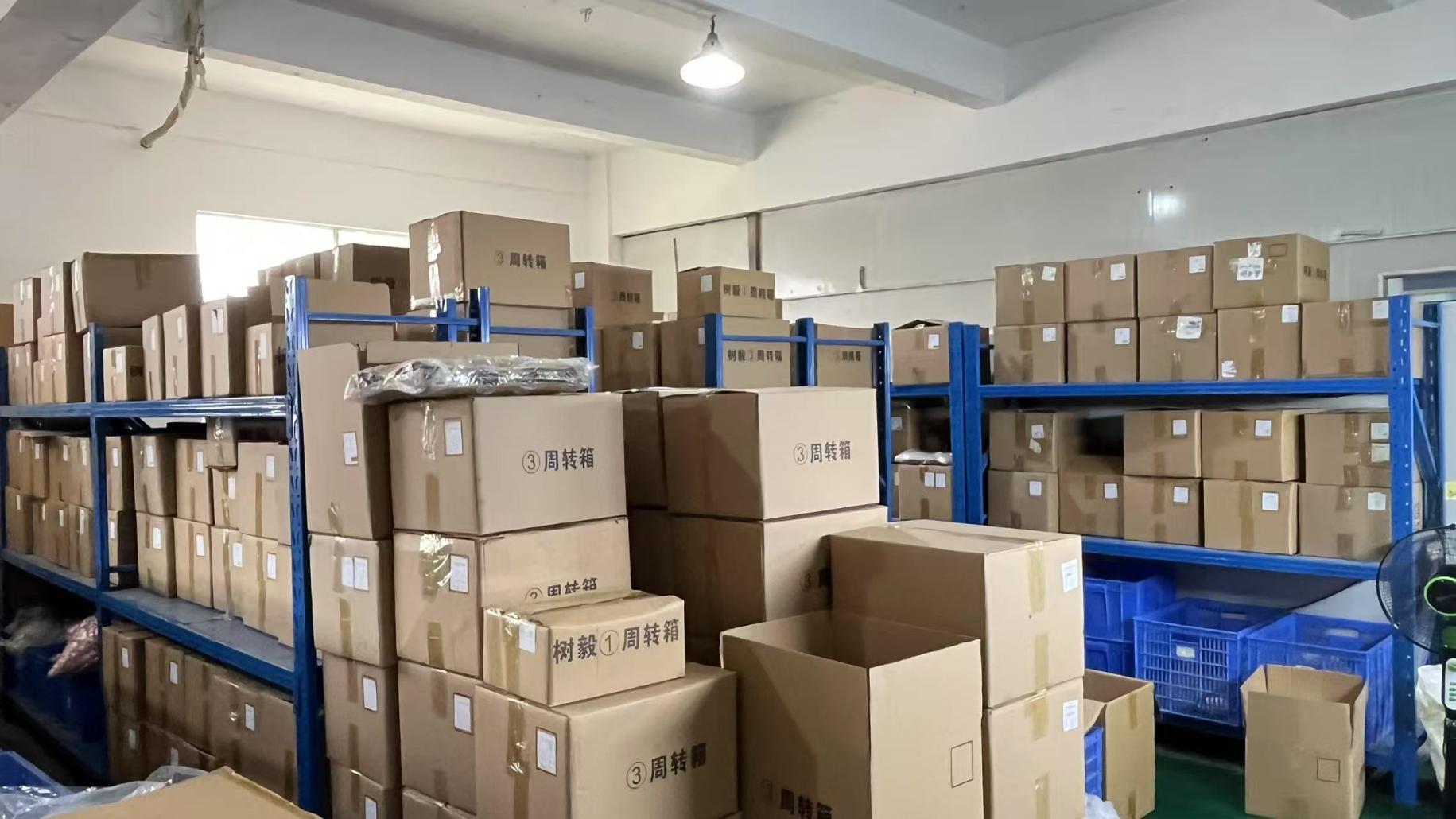
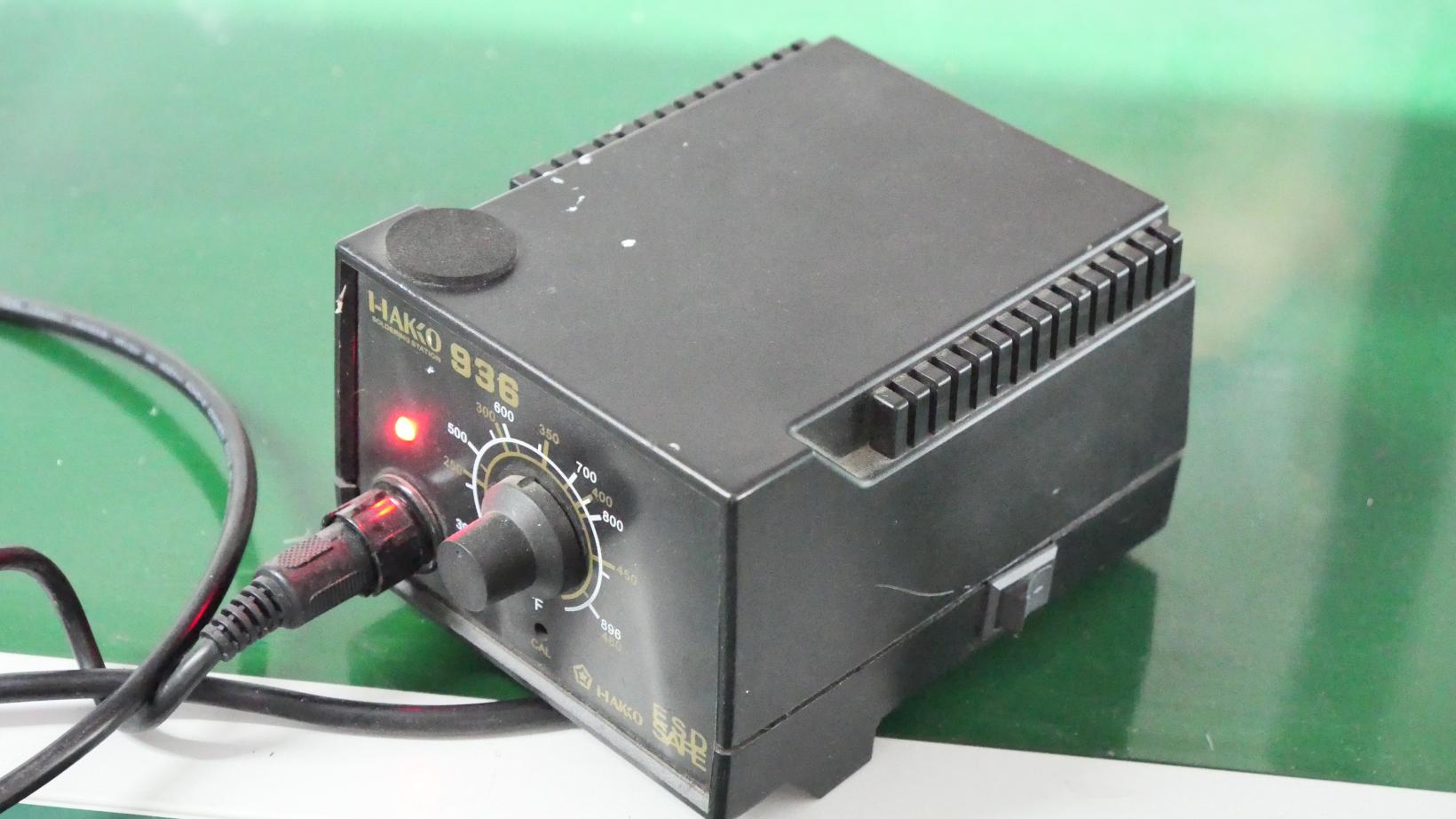
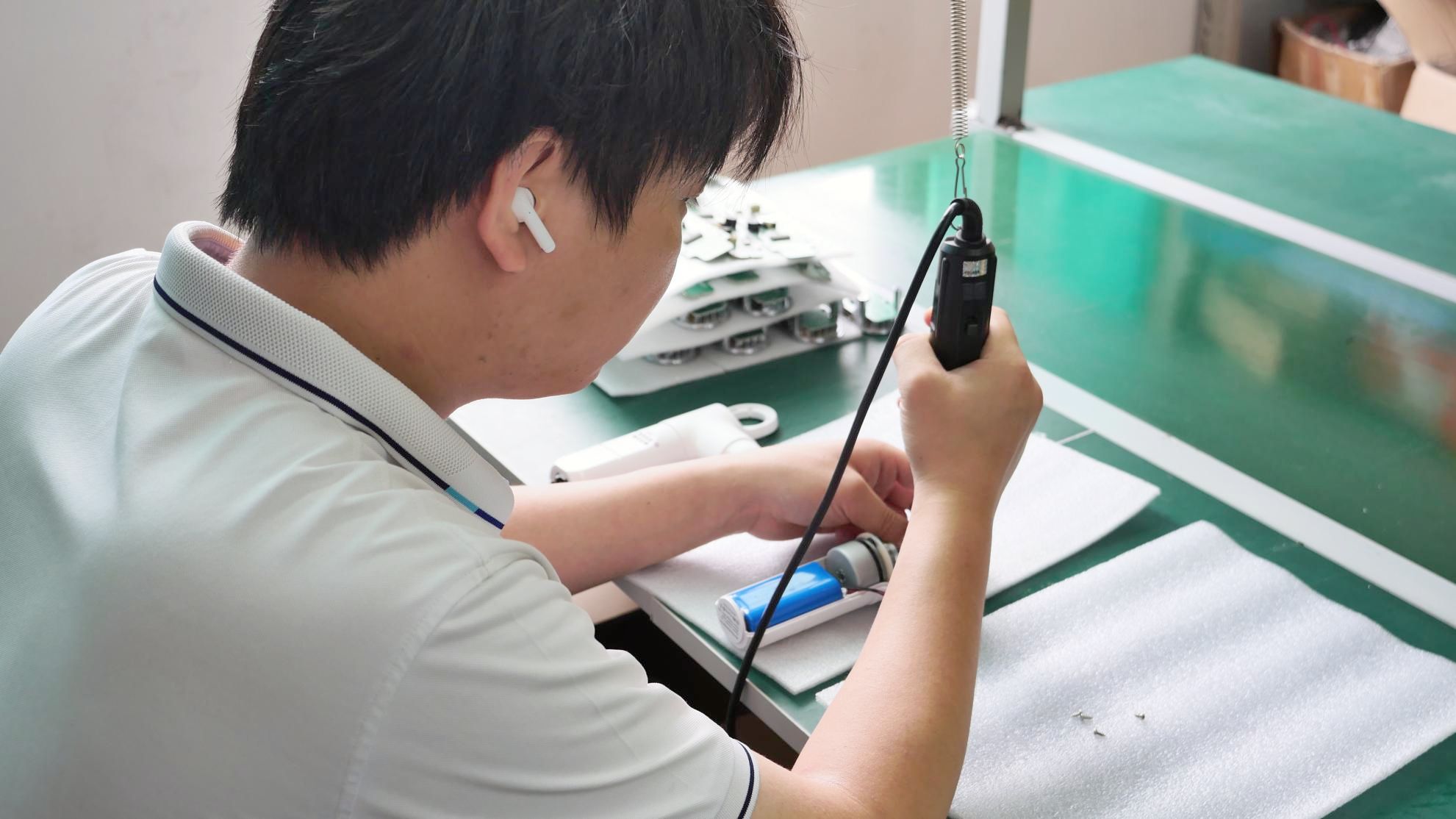
Visualizing the precision tooling, assembling, and quality assurance processes at our 4,000 sqm production facility.
Understanding how device requirements change across regional markets and client tiers.
When selecting devices for natural skin regeneration, global distributors must recognize the regional variations in regulatory requirements, user habits, and localized skin characteristics. A device configuration that succeeds in the European clinical market may need modifications to suit the North American homecare sector or Southeast Asian commercial spas.
The field of aesthetic skin devices is moving quickly towards smarter, more customized systems. Manufacturers are integrating advanced features to improve user outcomes and simplify treatment tracking.
Integration of real-time bio-impedance sensors. The RF or Tecar device reads local skin moisture and density, automatically modulating the electrical output to prevent heat spikes and optimize energy delivery.
Home-use devices sync with companion smartphone applications. AI camera modules track skin texture over time, suggesting customized treatment schedules and automatically updating device firmware.
Developing microcurrent patterns that closely mimic specific human nerve impulses, promoting faster cellular repair, cellular detoxification, and natural collagen synthesis.
Essential guidance for procurement agents, medical spas, and brand developers sourcing aesthetic machinery.
Standard RF devices rely on higher energy frequencies to create thermal injury in the dermis, which triggers a wound-healing response that stimulates collagen. Tecar therapy (working at 448kHz) operates via cellular biostimulation. It enhances cellular activity, increases blood circulation, and promotes healing without creating thermal scar tissue. This makes it a gentler, more natural option for skin regeneration.
For the United States, professional medical aesthetic devices require FDA clearance. Home-use devices may fall under lower-class classifications but still require FCC compliance and safe materials. In the EU, compliance with the Medical Device Regulation (MDR) or CE mark is required. Devices must also pass LVD (Low Voltage Directive), EMC (Electromagnetic Compatibility), and RoHS testing.
Yes. Established manufacturers with in-house tooling and molding facilities, such as Guangzhou Luminor Beauty, can custom design outer plastic shells, modify PCB boards to adjust current settings, and customize the digital interface with private brand logos and preset treatment modes.
The handpiece runs a high-frequency alternating current through a glass electrode filled with gas. Neon gas produces a red/orange glow, which stimulates blood flow and cellular activity. Argon gas produces a violet/blue glow, creating trace amounts of ozone that kill acne-causing bacteria and clean the skin's surface.
Safety is managed through built-in sensors. High-quality devices include contact sensors that prevent light or electrical pulses from firing unless the device is flush against the skin, temperature limits that automatically lower output if the surface gets too hot, and smart timers to prevent over-treating.
Professional machines are built to last 5 to 7 years of daily use in a clinic or spa, while home-use models usually last 2 to 3 years. Reliable manufacturers offer a 1-year to 2-year warranty, which includes free replacements for components like handpieces, power boards, and user interfaces, along with video tutorials and remote tech support.
Exporters of high-quality, certified skin regeneration, lifting, and anti-aging equipment.
 Luminor Beauty